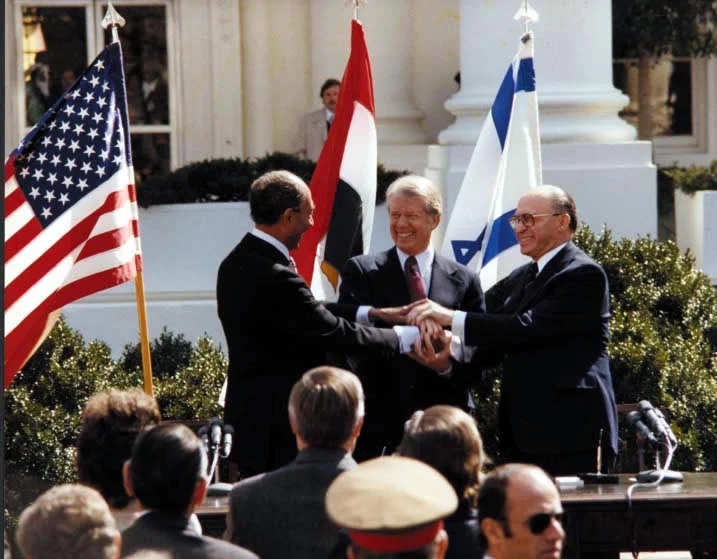
 1979
1979Peace
Egypt–Israel Peace Treaty
To end the state of war between Israel and Egypt: all of Sinai in exchange for full peace.
Explore the storyJimmy Carter Library / CIA archival release · 26 March 1979
History does not end with war
Behind every agreement are people who dared to imagine something different. Explore the moments, the decisions and the possibilities still ahead.
Independent of parties. Committed to human life and evidence.
Israel’s right to exist and the Palestinian people’s right to an independent state underpin this site, alongside an unequivocal rejection of terrorism and attacks on civilians, whoever commits them.
01 / Start here
Three different paths towards peace. Each with achievements, costs and questions still open.
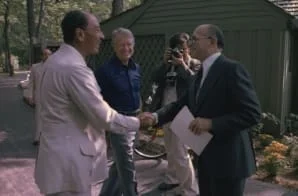
1979To end the state of war between Israel and Egypt: all of Sinai in exchange for full peace.
Explore the storyJimmy Carter Library / CIA archival release · 26 March 1979
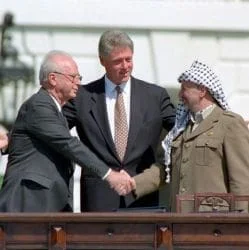 1993
1993To replace confrontation between Israel and the PLO with step-by-step negotiation: temporary Palestinian self-government first, a permanent settlement after.
Explore the storyVince Musi / The White House – William J. Clinton Presidential Library, National Archives (NAID 1985480) · 13 September 1993
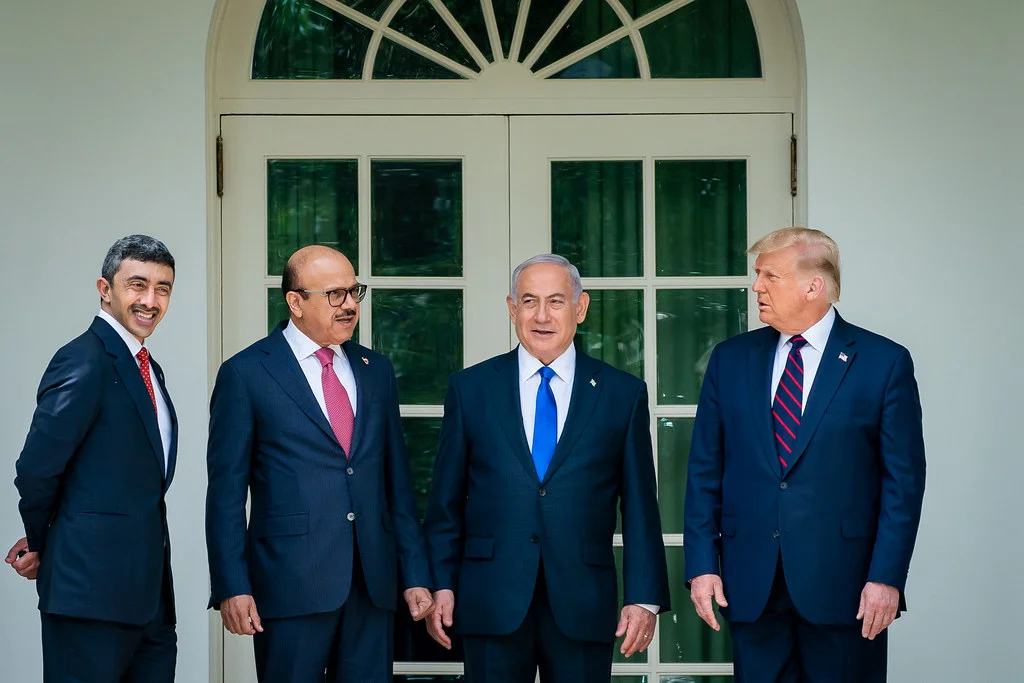 2020
2020To open public relations between Israel and Arab states that had never fought it, without waiting for an Israeli–Palestinian settlement.
Explore the storyOfficial White House Photo by Tia Dufour · 15 September 2020
1979 → 2020
Explore the archive, one turning point at a time. Discover the decisions behind the moment.
01 / 04
PeaceTo end the state of war between Israel and Egypt: all of Sinai in exchange for full peace.
Explore the story ↗02 / 04
InterimTo replace confrontation between Israel and the PLO with step-by-step negotiation: temporary Palestinian self-government first, a permanent settlement after.
Explore the story ↗03 / 04
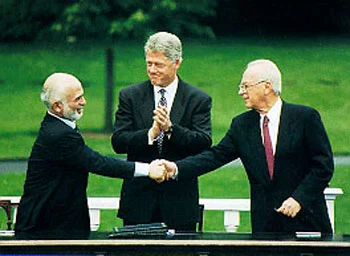
PeaceTo turn decades of secret contacts into open peace: an agreed border, shared water and full relations.
Explore the story ↗04 / 04
FrameworkTo open public relations between Israel and Arab states that had never fought it, without waiting for an Israeli–Palestinian settlement.
Explore the story ↗02 / Follow your curiosity
03 / Peace map
Borders, neighbours and distances: the geography behind the headlines.
Choose a country on the map or in the list. Use + and − to zoom. On touch screens, enable gestures to drag and pinch; scroll the page outside the map. Keyboard: arrows to pan, + and − to zoom, Home to reset.
Classification follows the original research as of 7 Oct 2026. This schematic map is not a legal boundary map or a live update.
04 / People
Leaders across political divides, partners across borders, and decisions that left their mark.
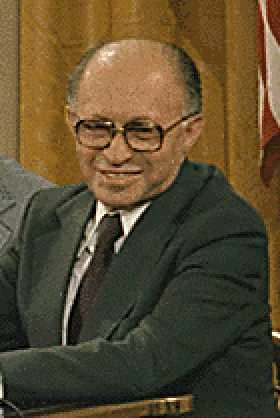 Menachem BeginThe prime minister who signed Israel's first peace treaty with an Arab state and, under…
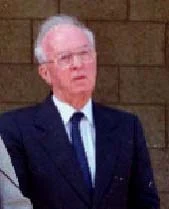 Yitzhak RabinA soldier who, as prime minister, led the first agreements with the PLO and the peace…
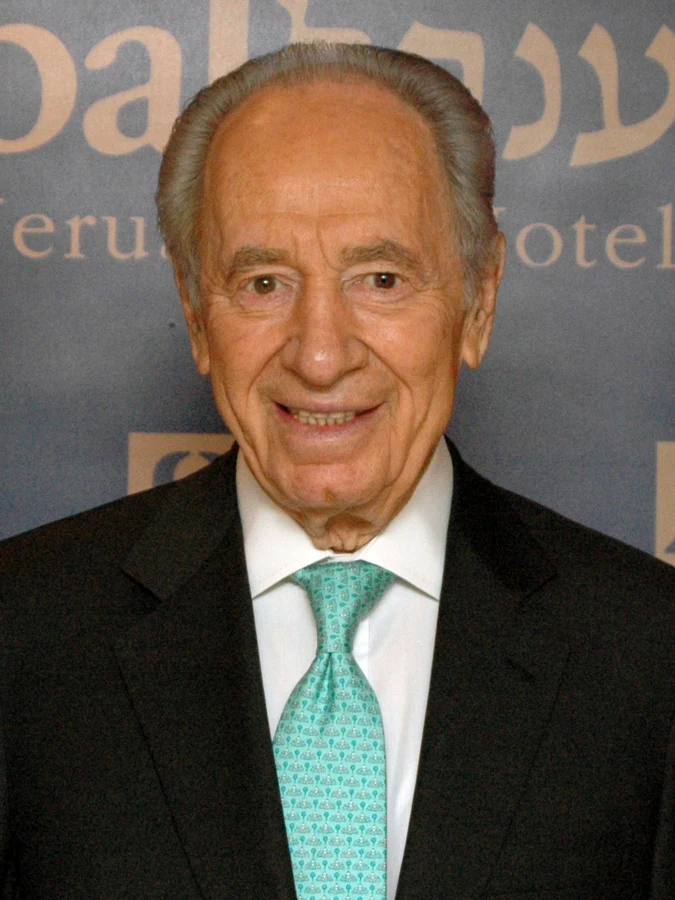 Shimon PeresThe statesman who advanced secret negotiating channels with Jordan and with the PLO, and…
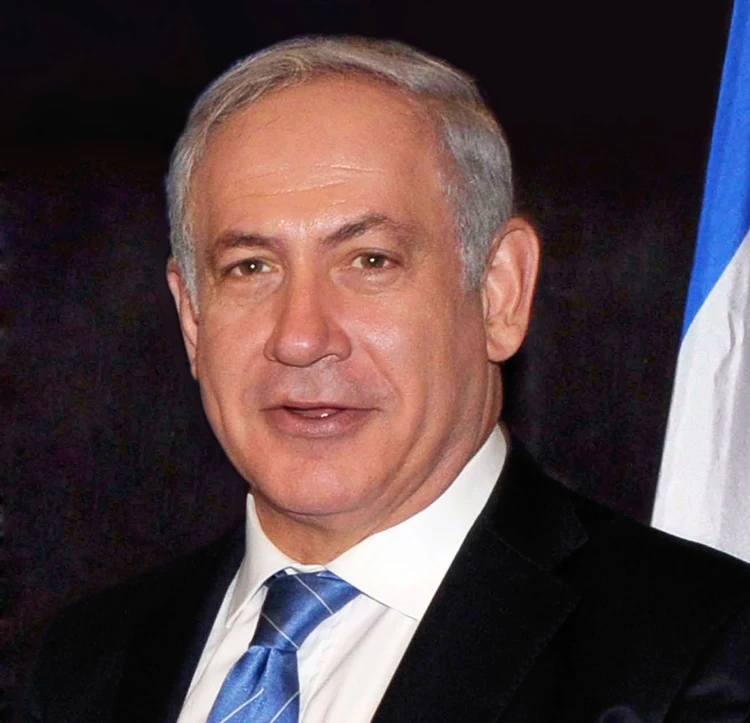 Benjamin NetanyahuThe prime minister who signed the Abraham Accords, which established formal relations…
4 November 1995 Iconic momentLink supplied by the site owner
Yitzhak Rabin’s full speech at the “Yes to Peace, No to Violence” rally in Kings of Israel Square, Tel Aviv, 4 November 1995. He was assassinated minutes later.
Dan-Eyal Gazit · Opens on the source site in a new tab
.jpg)
