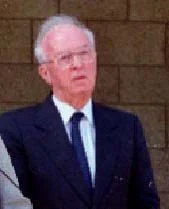


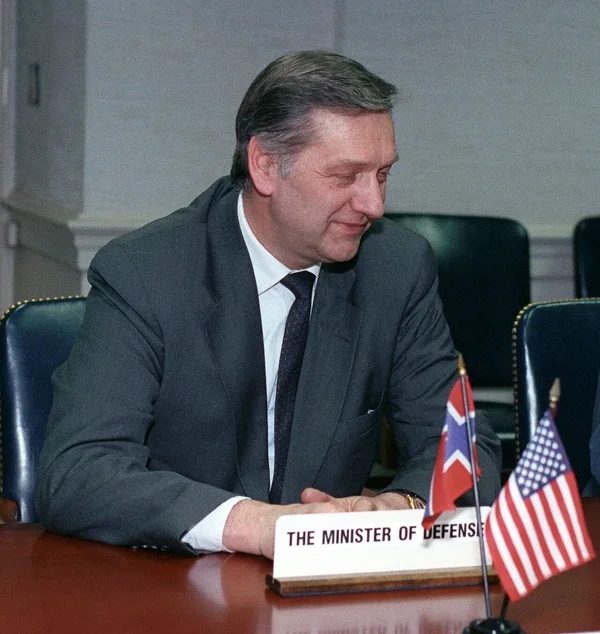
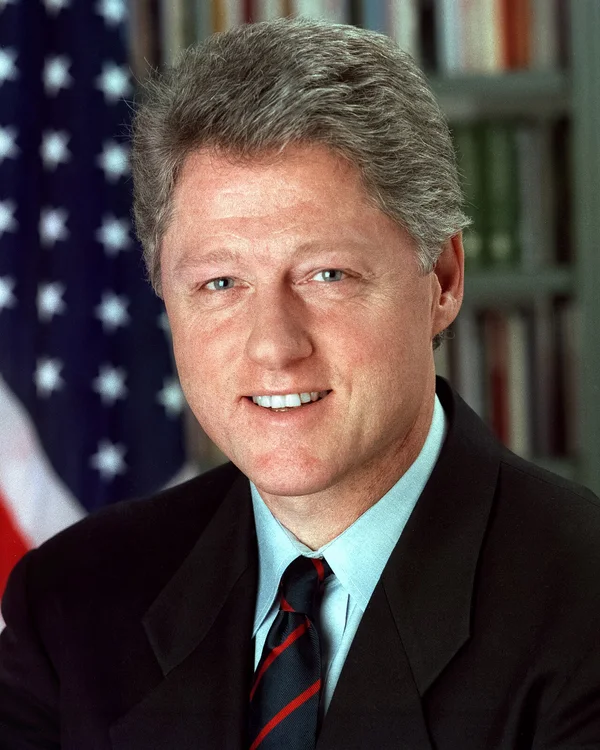
Yitzhak Rabin and the Israeli government
Recognise the PLO and sign an interim arrangement with it?
What would you have done?
There is no right answer here. This is how the scales looked then:
Interim agreementInterim arrangement still applying
A declaration of principles for an interim period of up to five years. It is not a final peace treaty, and not an agreement between two states.
To replace confrontation with step-by-step negotiation: temporary Palestinian self-government first, a permanent settlement after.
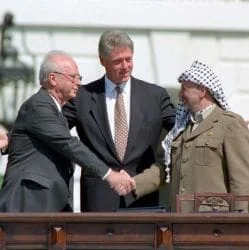
The familiar image is Rabin and Arafat shaking hands. Israel and the PLO signed their Declaration of Principles (glossary) at the White House on 13 September 1993.12 It opened a path to temporary Palestinian self-government, beginning in Gaza and Jericho. Borders, Jerusalem and other hard questions awaited a permanent settlement.1 The gap between breakthrough and postponed decisions shaped what followed.
In 1993 the talks that followed the Madrid Conference were stuck,7 and Israel and the PLO still did not recognise each other.5
How do you begin talking when even the identity of your counterpart is disputed? Israel sought security and recognition of its right to exist. The PLO sought recognition as the Palestinian people’s representative and the beginning of an end to occupation in the West Bank and Gaza. The mutual recognition letters took the first step: each side agreed to recognise its counterpart, on the precise terms set out in the letters.5
A voice from the archive
A peace of the brave is within our reach.
Speech excerpt
Choose a country on the map or in the list. One finger scrolls the page; two fingers move and pinch the map. You can also use + and −. For one-finger map dragging, enable the button above. Keyboard: arrows to pan, + and − to zoom, Home to reset.
Classification follows the original research as of 7 Oct 2026. This schematic map is not a legal boundary map or a live update.
Schematic map. Lines are approximate and are not a legal determination. Data: Natural Earth (public domain), 1:10m scale; line classification and place names by this site. Lines as of October 2026. Peace map
Two choices on the road to the agreement. What would you have done?
Yitzhak Rabin and the Israeli government
What would you have done?
There is no right answer here. This is how the scales looked then:
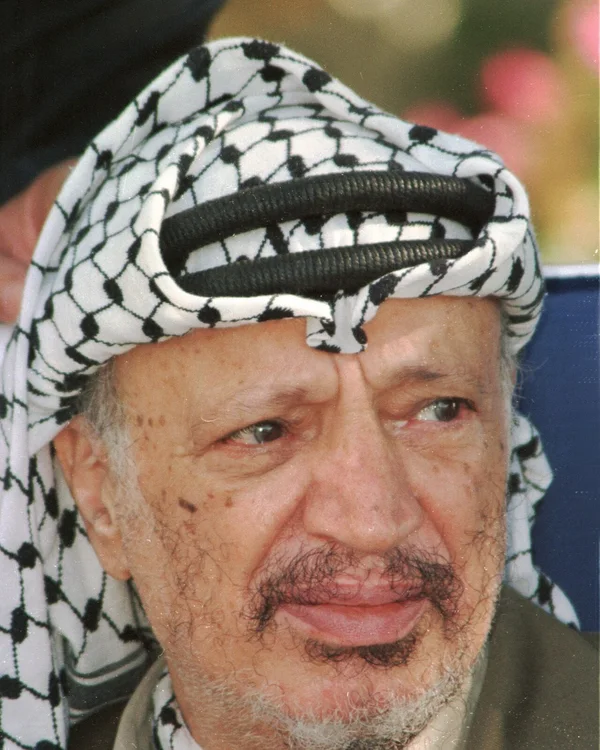
Yasser Arafat and the PLO
What would you have done?
…we say to you today in a loud and a clear voice: enough of blood and tears. Enough.
Signing ceremony of the Israel–PLO Declaration of Principles, South Lawn of the White House, 13 September 1993
Official White House transcript, in English. This is the end of a long sentence in which Rabin addresses the Palestinians, and the word that follows it; the opening of the sentence is omitted and marked with an ellipsis.
There was a time when war was fought for lack of choice. Today it is peace that is the "no-choice" option.
Nobel Lecture, Oslo, December 1994
The English text published by the Nobel Foundation; two consecutive sentences.
Ladies and gentlemen, the battle for peace is the most difficult battle of our lives.
Signing ceremony of the Israel–PLO Declaration of Principles, South Lawn of the White House, 13 September 1993
Arafat spoke in Arabic. The source is the English in the official White House transcript.
Peace, for us, is an asset and in our interest.
Nobel Lecture, Oslo, December 1994
The lecture was given in Arabic. The source is the English translation published by the Nobel Foundation.
We have come to this point because we believe that peaceful coexistence and cooperation are the only means for reaching understanding and for realizing the hopes of the Palestinians and the Israelis.
Signing ceremony of the Israel–PLO Declaration of Principles, South Lawn of the White House, 13 September 1993
The source is the English in the official White House transcript.
A peace of the brave is within our reach.
Signing ceremony of the Israel–PLO Declaration of Principles, South Lawn of the White House, 13 September 1993
Official US text (Public Papers of the Presidents), in English.
Quote source: The American Presidency Project, UC Santa Barbara (Public Papers of the Presidents)
The secret Oslo channel ran alongside the official talks in Washington and led to an agreement no one had expected.
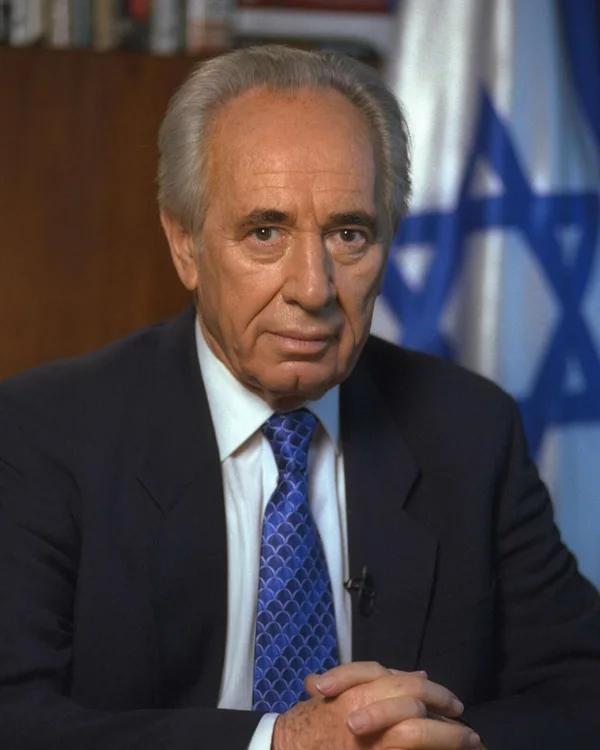
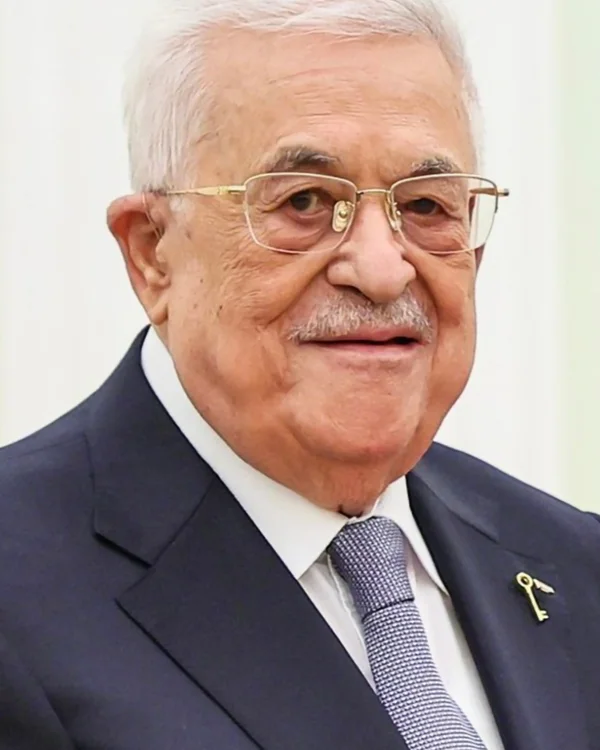
Shimon Peres and Mahmoud Abbas signed the Declaration of Principles, and Rabin and Arafat shook hands. The ceremony followed the recognition letters between Israel’s government and the PLO dated 9 September 1993.
Signing ceremony of the Israel–PLO Declaration of Principles, the White House, 13 September 1993 – Clinton Presidential Library channel
Full recording: 1 hour, 10 minutes, 16 seconds · Source
The prize was awarded to the three jointly for their efforts to create peace in the Middle East, following the Oslo accord. The decision was contested even then, and the Oslo process never matured into a permanent agreement.
The decision was not easy in Jerusalem either: the records show the agreement was weighed and argued over inside the government itself.
The agreement raised great hope and sharp criticism on both sides, and what it gained and what it cost is still argued over.
The agreement was shaped in a secret channel in Norway, and the United States hosted the signing. It set out a gradual process, not a permanent settlement.
In letters dated 9 September 1993, the PLO recognised Israel’s right to exist in peace and security, and Israel’s government recognised the PLO as the representative of the Palestinian people. The signing ceremony followed four days later.
The prize honoured all three for their efforts for peace in the Middle East, and Peres used the moment to sketch a vision of a cooperative region.
Open the sources, compare and check for yourself.
A document shows what was written; testimony tells what someone saw or remembers; research and reporting add interpretation and comparison. Always ask who produced the information and what still needs checking. The label alone does not establish quality, and two sites copying one document still give you one source.
Practise checking sources