Ralph Bunche, the mediator of Rhodes: a UN film
Bunche brought the parties to sign four armistice agreements and won the 1950 Nobel Peace Prize for it.
Sadat in the Knesset, the signing of the treaty with Egypt and the Oslo ceremony at the White House: clips and full recordings from the archive. Dates, descriptions and sources help you identify the event you are watching.
Titles and summaries are translated into the page’s language. Captions, if available, appear in the external player; we have not checked their availability and language for every video. You can also follow the story through the summary and linked pages without playing the video.
1949–1975
The wars of 1948 and 1973 ended in military agreements, not peace. Here are the mediators and the first lines.
The 1949 Armistice AgreementsBunche brought the parties to sign four armistice agreements and won the 1950 Nobel Peace Prize for it.
The Lebanon agreement was signed at Ras al-Naqoura on 23 March 1949 and the Syria agreement on 20 July. They stopped the fighting but drew temporary lines, not peace borders.
That same day the first Sinai disengagement agreement was signed at Kilometre 101, pulling the armies apart along the Suez Canal.
Signed in Geneva on 31 May 1974, it created a buffer zone on the Golan watched by a UN force. It is a disengagement agreement, not a peace treaty.
1977–1989
Egypt’s president lands in Israel and speaks in the Knesset. A year and a half later Israel signs its first peace treaty with an Arab state.
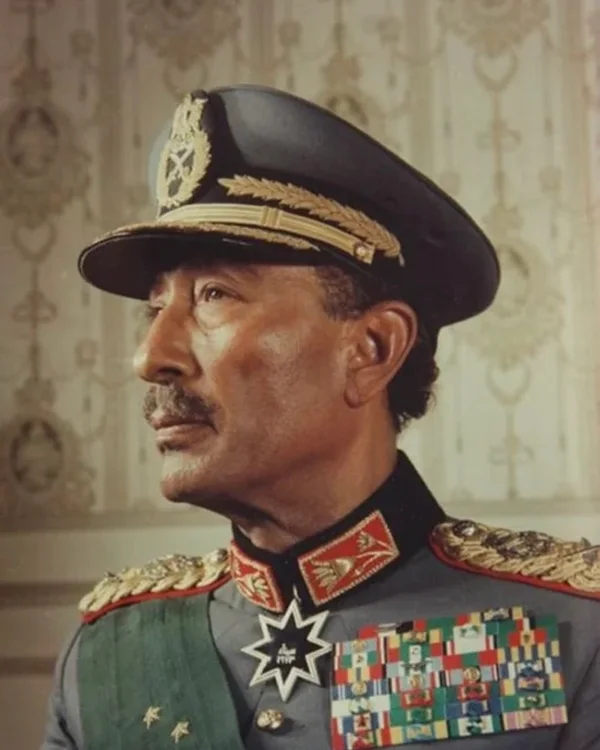
Egypt–Israel Peace TreatyPresident Sadat's arrival in Israel, 19 November 1977 – short archive clip
Sadat's address to the Knesset, Jerusalem, 20 November 1977 – raw archive footage
Sadat addressed the Knesset in Arabic, and the speech was broadcast worldwide. Alongside his call for peace he set out the Arab demands: withdrawal from the territories occupied in 1967 and a solution to the Palestinian question.
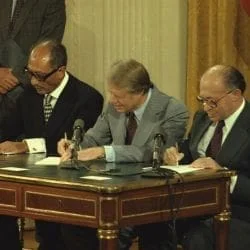
Signing of the Camp David Accords, the White House, 17 September 1978 – from the CBS News archive
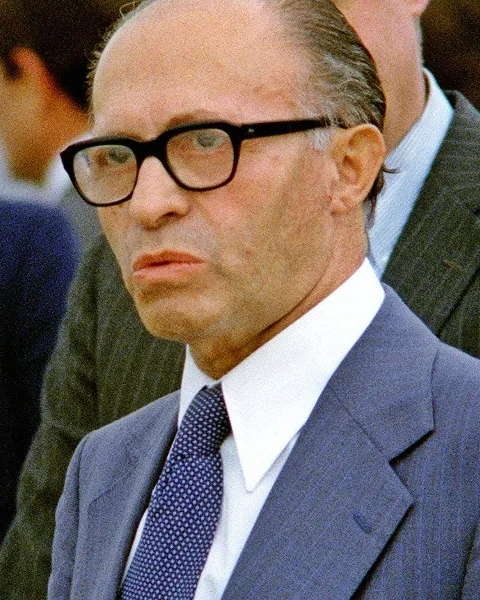
At the ceremony sealing the first peace treaty between Israel and an Arab state, Begin declared an end to war, bloodshed and bereavement. Under the treaty Israel withdrew from all of Sinai, and the peace with Egypt has held ever since.
Signing of the Egypt–Israel peace treaty, Washington, 26 March 1979 – short archive clip
On 25 April 1982 Israel completed its withdrawal from Sinai. In Egypt the day is marked every year as Sinai Liberation Day.
The dispute over the small coastal strip was settled by international arbitration in 1988: a border quarrel resolved by peaceful means.
1994
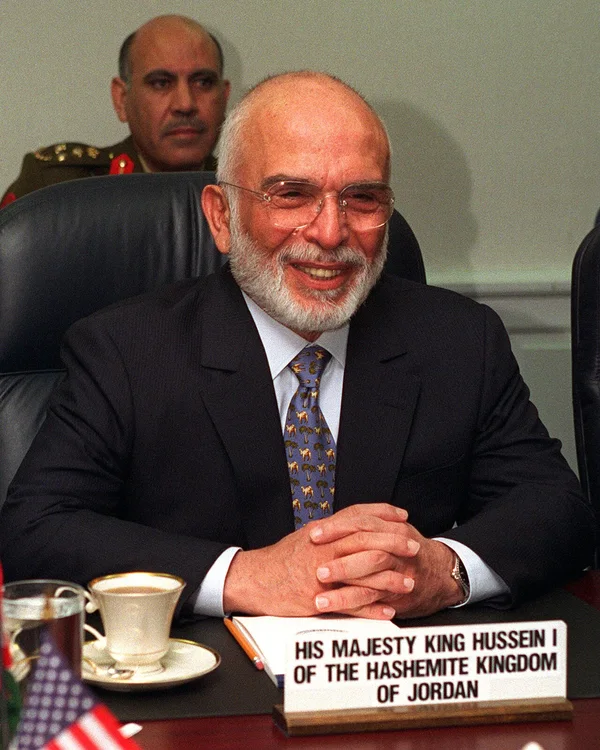
Rabin and King Hussein end the state of war in Washington, and three months later sign the peace in the Arava.
Israel–Jordan Peace TreatySigning of the Israel–Jordan Washington Declaration, the White House, 25 July 1994
This is the archival record of the speech in which Rabin introduced himself by his military number and described himself as a soldier in the army of peace, a day after the Washington Declaration was signed.
Rabin’s speech starts at 40:55.
President Clinton at the signing of the Israel–Jordan peace treaty, Arava/Araba crossing, 26 October 1994
Israel's second peace treaty with an Arab state was signed in the desert, on the border line itself, with King Hussein, Rabin and President Clinton present. It settled the border and water sharing and remains in force today.
1991–2000
For the first time all the parties sit together. A secret channel in Norway leads to mutual recognition and interim agreements, but Camp David 2000 ends without a permanent deal.
Oslo I – the Declaration of PrinciplesAt Madrid, Israel, Syria, Lebanon and a joint Jordanian–Palestinian delegation sat together for the first time, under US and Soviet sponsorship.
The secret Oslo channel ran alongside the official talks in Washington and led to an agreement no one had expected.
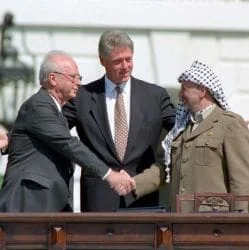
Signing ceremony of the Israel–PLO Declaration of Principles, the White House, 13 September 1993 – Clinton Presidential Library channel
Full recording: 1 hour, 10 minutes, 16 seconds · Source
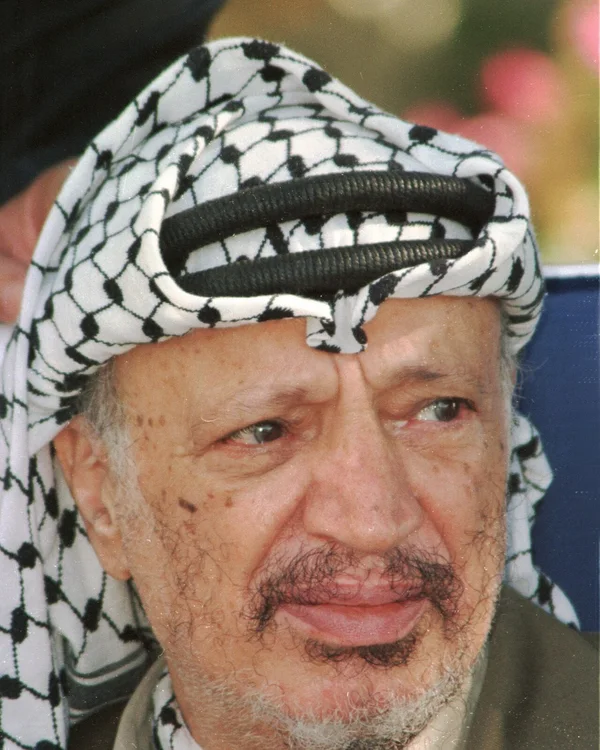
Shimon Peres and Mahmoud Abbas signed the Declaration of Principles, and Rabin and Arafat shook hands. The ceremony followed the recognition letters between Israel’s government and the PLO dated 9 September 1993.
The prize was awarded to the three jointly for their efforts to create peace in the Middle East, following the Oslo accord. The decision was contested even then, and the Oslo process never matured into a permanent agreement.
The agreement divided the West Bank into Areas A, B and C and set the first Palestinian elections.
The visit aimed to push forward the Wye Memorandum, including the change to the Palestinian National Charter.
The summit ended without an agreement, and the debate over why still goes on.
1995
At the “Yes to peace, no to violence” rally Rabin spoke and sang the “Song for Peace”. Minutes later a Jewish Israeli assassin killed him.
Yitzhak RabinYitzhak Rabin’s last speech at the “Yes to Peace, No to Violence” rally in Kings of Israel Square, Tel Aviv, 4 November 1995. He was assassinated minutes later.
At the rally held under the slogan “Yes to peace, no to violence”, Rabin gave his last speech. Minutes after leaving the stage he was shot dead by a Jewish Israeli assassin; the square has borne his name ever since.
Hours after the assassination, the US president bade Rabin farewell in a short statement that ended with the Hebrew words “Shalom, chaver”. The phrase became a symbol of mourning for Rabin in Israel.
The funeral became a rare moment of regional leaders standing together in Jerusalem, with King Hussein mourning Rabin as a brother and friend.
Leaders from around the world attended, among them the King of Jordan and the President of Egypt. Their presence showed how far the region had changed during Rabin's years in office.
2020–2021
Israel opens public relations with the UAE, Bahrain, Morocco and Sudan, without waiting for a deal with the Palestinians.
The Abraham Accords – the framework declarationThe announcement opened the way to full diplomatic relations between Israel and the UAE and the signing in September 2020.
The flight turned the announcement into something tangible, and regular routes followed.
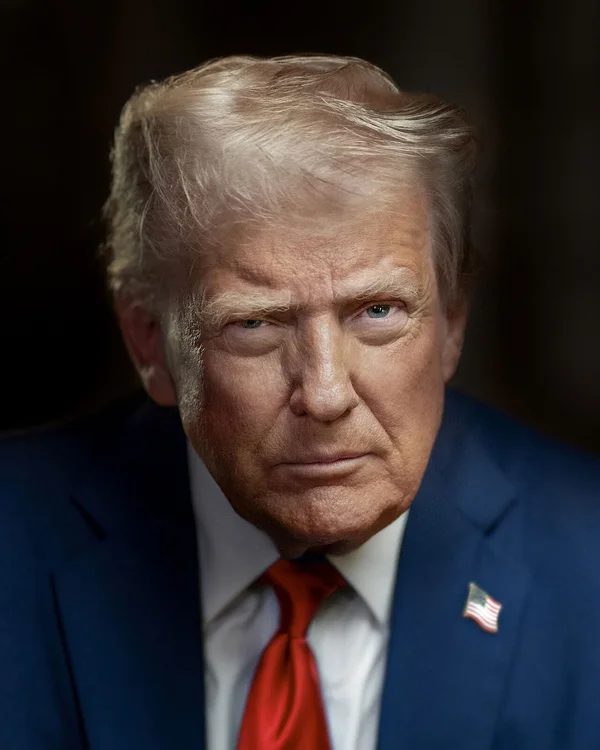
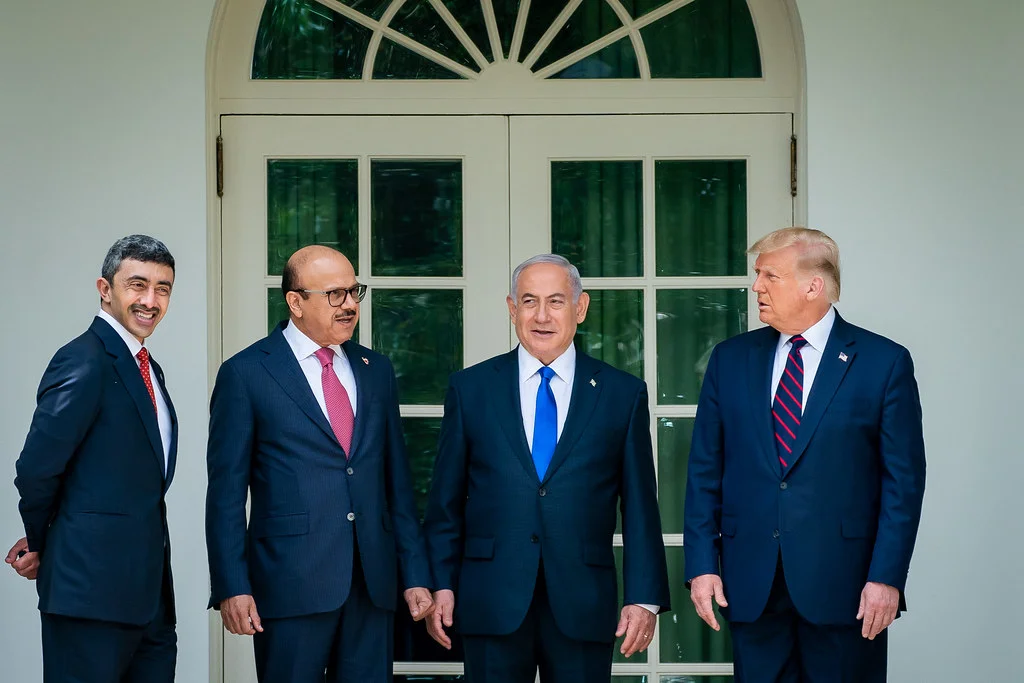
Abraham Accords signing ceremony, the White House, 15 September 2020
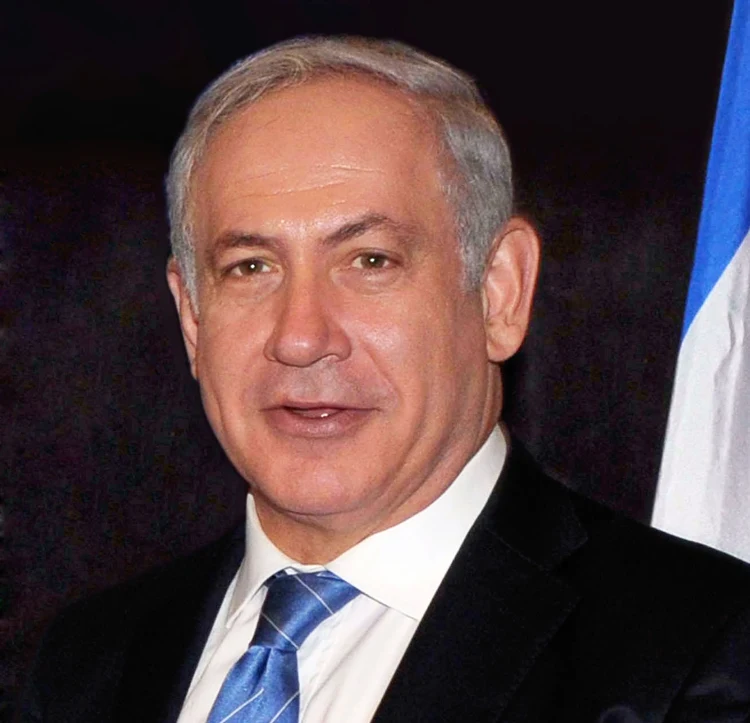
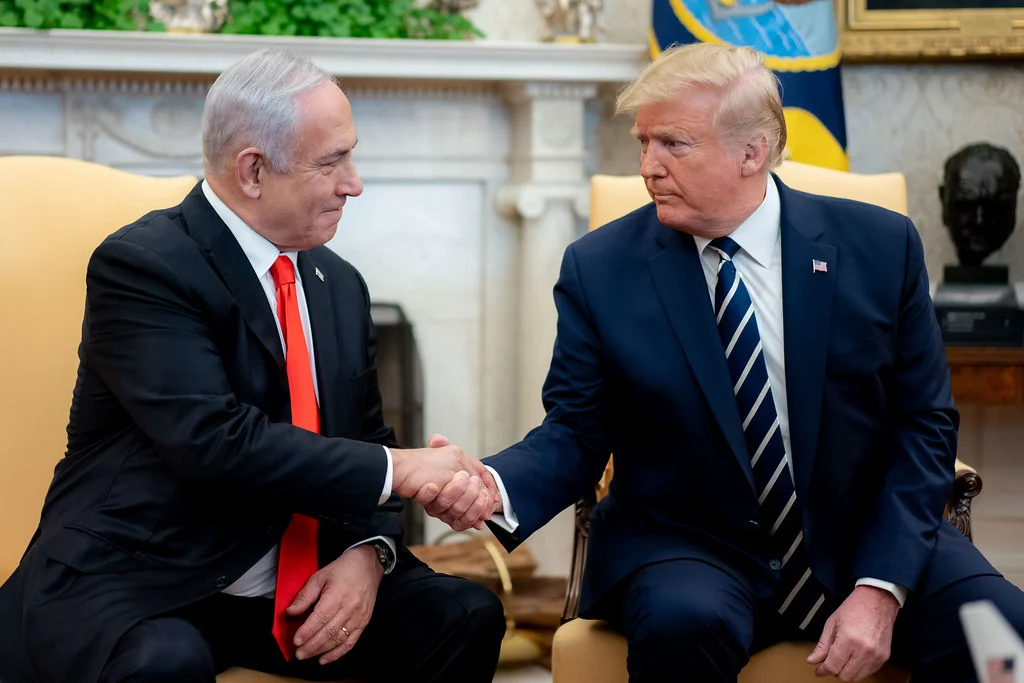
Netanyahu led the move on Israel's side, and the Abraham Accords opened a new chapter of open ties with Gulf states.
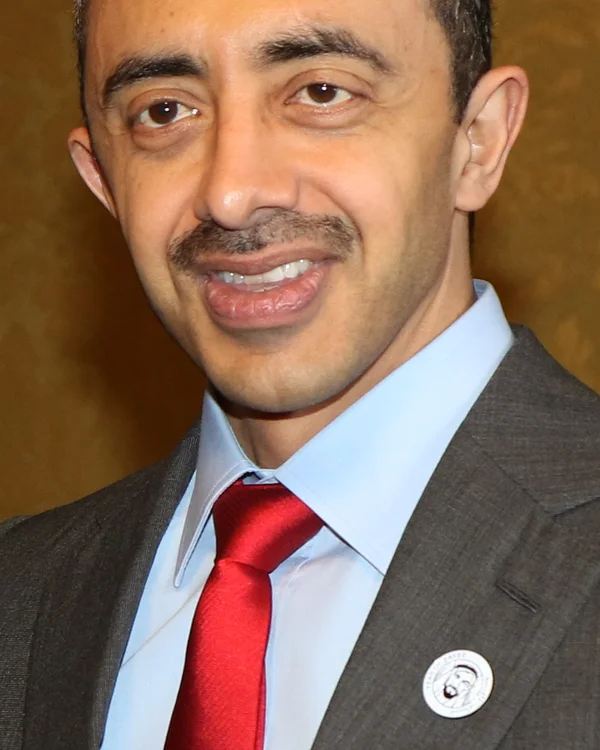
The Emirati voice at the ceremony, presenting normalisation as a choice for peace and cooperation.
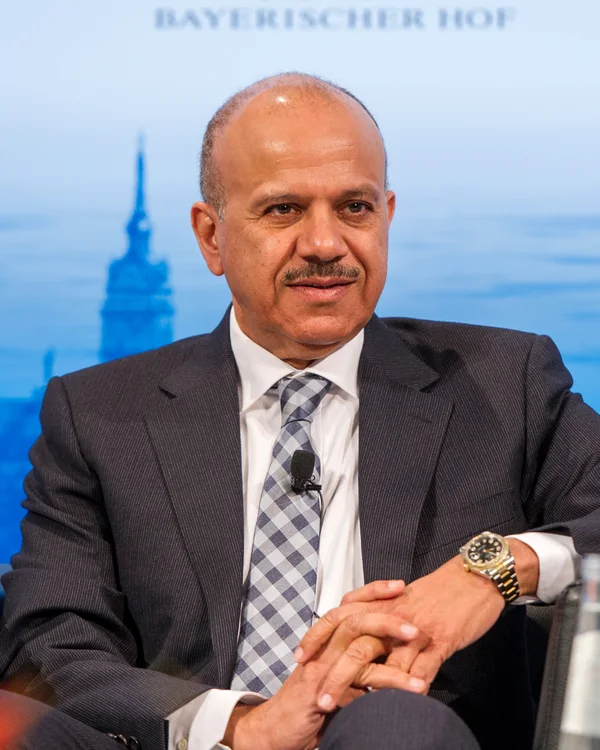
Bahrain joined the Abraham Accords days before the ceremony, becoming the fourth Arab state to establish ties with Israel.
Morocco–Israel ties have deep roots in the Moroccan Jewish community, and the renewal made them official.
Signing the declaration did not come with a full bilateral treaty, which sets the Sudan track apart.
2022–2025
A maritime border with Lebanon, ceasefires, and the hostages who came home.
The Gaza ceasefire and the US 20-point planThe deal was reached without direct contact or mutual recognition, but opened the way to gas development on both sides.
The ceasefire let residents on both sides of the border begin returning home, but it is not a peace agreement.
A moment of relief and pain that shows how an agreement can bring people back to their families.
The release was a key stage of the plan to end the war, alongside freeing Palestinian prisoners and letting in aid.
Egypt, the first state to make peace with Israel, was again a central stage for mediation.
The speech linked the end of the Gaza war with widening the Abraham Accords and became a defining moment of the year.
2003–2024
Not only leaders: Israelis and Palestinians who keep talking, drafting and remembering together.
The Geneva InitiativeAn unofficial initiative that showed what a detailed final-status deal might look like, with maps and clauses.
Women from both sides call for women at the negotiating table and a peaceful resolution of the conflict.
Combatants for Peace brings together Israelis and Palestinians who laid down arms and chose non-violence.
The Parents Circle shows that even out of loss people can choose dialogue rather than revenge.
No videos match. Try another chapter or type.
I come to you today on solid ground, to shape a new life, to establish peace.
Address to the Knesset, Jerusalem, 20 November 1977
Sadat spoke in Arabic. In the Arabic edition the sentence is given in his own words, as quoted by Al-Ahram's news gate (19 November 2014). The Arabic says literally "on two firm feet"; "on solid ground" is the wording of the English translation published by Israel's Ministry of Foreign Affairs, as reproduced by the Jewish Virtual Library.
Quote source: Jewish Virtual Library, reproducing Israel Ministry of Foreign Affairs
Yet, today I tell you, and declare it to the whole world, that we accept to live with you in permanent peace based on justice.
Address to the Knesset, Jerusalem, 20 November 1977
Sadat spoke in Arabic. The source is the English translation published by Israel's Ministry of Foreign Affairs, as reproduced by the Jewish Virtual Library.
Quote source: Jewish Virtual Library, reproducing Israel Ministry of Foreign Affairs
In the spirit of the Nobel Prize tradition we gave to each other the most momentous pledge: No more war. No more bloodshed. We shall negotiate and reach agreement.
Nobel Lecture, Oslo, 10 December 1978. Begin presents the words as a pledge he and Sadat gave each other – so the wording predates the peace treaty signing ceremony.
Official Nobel Foundation text, in English; consecutive sentences.
No more war, no more bloodshed, no more bereavement.
Signing ceremony of the Egypt–Israel peace treaty, the White House, Washington, 26 March 1979
Official US transcript (Public Papers of the Presidents), in English. These are the closing words of a longer sentence in Begin's remarks. The wording is singular – "war", not "wars".
Quote source: The American Presidency Project, UC Santa Barbara (Public Papers of the Presidents)
Yes, there are difficulties in peace, there are. There are pains in peace, there are. There are sacrifices for the sake of peace, there are. All of them are preferable to the victims of war!
Knesset plenum, Jerusalem, 2 March 1982: the Prime Minister's reply to a no-confidence motion by the Tehiya faction, which demanded a halt to the withdrawal from Sinai, in the weeks before the withdrawal under the peace treaty with Egypt was completed.
Wording in the source: כן, יש קשיים בשלום, יש. יש מכאובים בשלום, יש. יש קורבנות למען השלום, יש. כולם עדיפים מקורבנות המלחמה!
The wording as quoted in Yedioth Ahronoth (ynet, 2017). The speech is catalogued in the Begin Heritage Center's database of Begin's writings (65th sitting of the Tenth Knesset). In public memory the sentence is sometimes shortened to "the difficulties of peace are better than the agonies of war". The Hebrew uses one word for both "sacrifices" and "victims".
Quote source: Yedioth Ahronoth / ynet (Yehuda Nuriel), quoting the Knesset speech of 2 March 1982
…we say to you today in a loud and a clear voice: enough of blood and tears. Enough.
Signing ceremony of the Israel–PLO Declaration of Principles, South Lawn of the White House, 13 September 1993
Official White House transcript, in English. This is the end of a long sentence in which Rabin addresses the Palestinians, and the word that follows it; the opening of the sentence is omitted and marked with an ellipsis.
Ladies and gentlemen, the battle for peace is the most difficult battle of our lives.
Signing ceremony of the Israel–PLO Declaration of Principles, South Lawn of the White House, 13 September 1993
Arafat spoke in Arabic. The source is the English in the official White House transcript.
We have come to this point because we believe that peaceful coexistence and cooperation are the only means for reaching understanding and for realizing the hopes of the Palestinians and the Israelis.
Signing ceremony of the Israel–PLO Declaration of Principles, South Lawn of the White House, 13 September 1993
The source is the English in the official White House transcript.
A peace of the brave is within our reach.
Signing ceremony of the Israel–PLO Declaration of Principles, South Lawn of the White House, 13 September 1993
Official US text (Public Papers of the Presidents), in English.
Quote source: The American Presidency Project, UC Santa Barbara (Public Papers of the Presidents)
Yitzhak Rabin, soldier in the Israel Defense Forces, and a soldier in the army for peace
US Congress, Washington, 26 July 1994. An excerpt from the sentence in which Rabin introduces himself by his military number.
The speech was delivered in English. A short excerpt from the Rabin Center's English transcript, not the full sentence; the transcript reads "army for peace". The Center's Hebrew text reads "חייל בצבא השלום" (a soldier in the army of peace).
This is peace with dignity. This is peace with commitment.
Signing ceremony of the Israel–Jordan peace treaty, Arava/Araba crossing, 26 October 1994
Official White House transcript, in English.
There was a time when war was fought for lack of choice. Today it is peace that is the "no-choice" option.
Nobel Lecture, Oslo, December 1994
The English text published by the Nobel Foundation; two consecutive sentences.
Peace, for us, is an asset and in our interest.
Nobel Lecture, Oslo, December 1994
The lecture was given in Arabic. The source is the English translation published by the Nobel Foundation.
Because words cannot express my true feelings, let me just say, shalom, chaver, goodbye, friend.
Remarks on the death of Prime Minister Yitzhak Rabin, Rose Garden of the White House, 4 November 1995 – on the night of the assassination. Two days later he ended his funeral eulogy with the same two Hebrew words
Official US text (Public Papers of the Presidents), in English with two Hebrew words.
You died as a soldier for peace and I believe it is time for all of us to come out openly and to speak of peace.
Eulogy at Yitzhak Rabin's funeral, Mount Herzl, Jerusalem, 6 November 1995
English text published by Israel's Ministry of Foreign Affairs, as reproduced by the Jewish Virtual Library.
Quote source: Jewish Virtual Library, reproducing Israel Ministry of Foreign Affairs
In my vision of peace, in this small land of ours, two peoples live freely, side-by-side, in amity and mutual respect.
Speech at Bar-Ilan University, Ramat Gan, 14 June 2009. In the same speech he made his readiness for a demilitarised Palestinian state beside the Jewish state conditional on Palestinian recognition of Israel as the state of the Jewish people and on security guarantees. This was his position in that speech, not his policy today.
One sentence from the English transcript published by PalQuest.
Ladies and gentlemen, Mr. President, this day is a pivot of history. It heralds a new dawn of peace.
Abraham Accords signing ceremony, South Lawn of the White House, 15 September 2020
Official White House transcript, in English.
Quote source: The White House (Trump White House archive, US National Archives)
I stand here today to extend a hand of peace and receive a hand of peace.
Abraham Accords signing ceremony, South Lawn of the White House, 15 September 2020
The minister spoke in Arabic. In the Arabic edition the sentence is given in the Arabic wording published by the Emirates News Agency (WAM), as carried by the newspaper Al Bayan on 16 September 2020. The English text is from the official White House transcript, which marks his remarks "(As interpreted.)" – this is the interpreter's English.
Quote source: The White House (Trump White House archive, US National Archives)
Today — today is a truly historic occasion, a moment of hope and opportunity for all the peoples of the Middle East.
Abraham Accords signing ceremony, South Lawn of the White House, 15 September 2020
Excerpt from a longer sentence in the official White House transcript, in English.
Quote source: The White House (Trump White House archive, US National Archives)
After decades of division and conflict, we mark the dawn of a new Middle East.
Abraham Accords signing ceremony, South Lawn of the White House, 15 September 2020
Official White House transcript, in English.
Quote source: The White House (Trump White House archive, US National Archives)
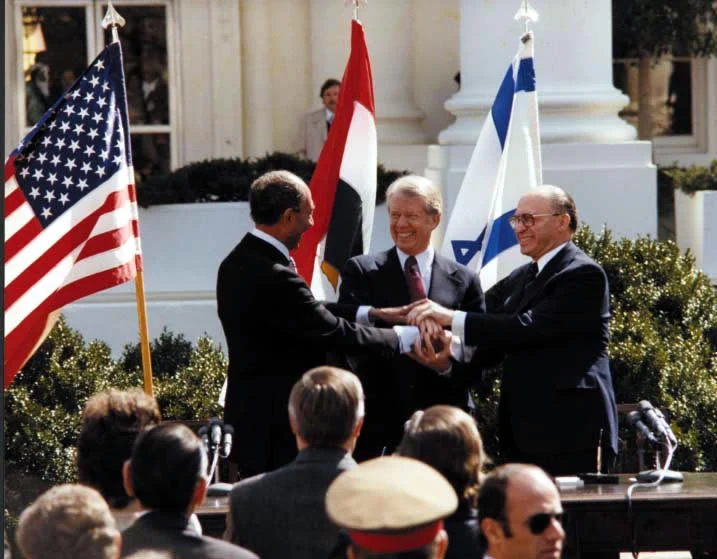
Jimmy Carter Library / CIA archival release
Public domain — U.S. government photograph; source file contains provenance
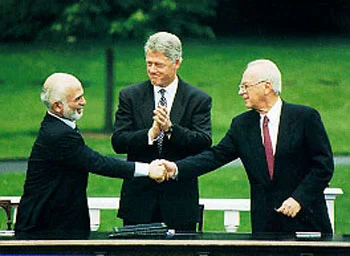
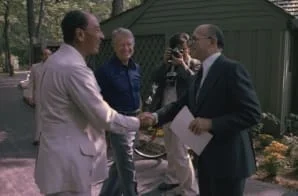
White House Staff Photographers / Jimmy Carter Library, National Archives (NAID 181104)
Public Domain, Free of Known Copyright Restrictions
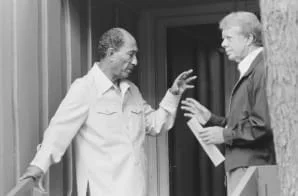
White House Staff Photographers / Jimmy Carter Library, National Archives (NAID 181329)
Public Domain, Free of Known Copyright Restrictions
White House Staff Photographers Collection / Jimmy Carter Library, National Archives (NAID 181392)
Public Domain, Free of Known Copyright Restrictions
Vince Musi / The White House – William J. Clinton Presidential Library, National Archives (NAID 1985480)
Public Domain, Free of Known Copyright Restrictions
Official White House Photo by D. Myles Cullen
Public Domain
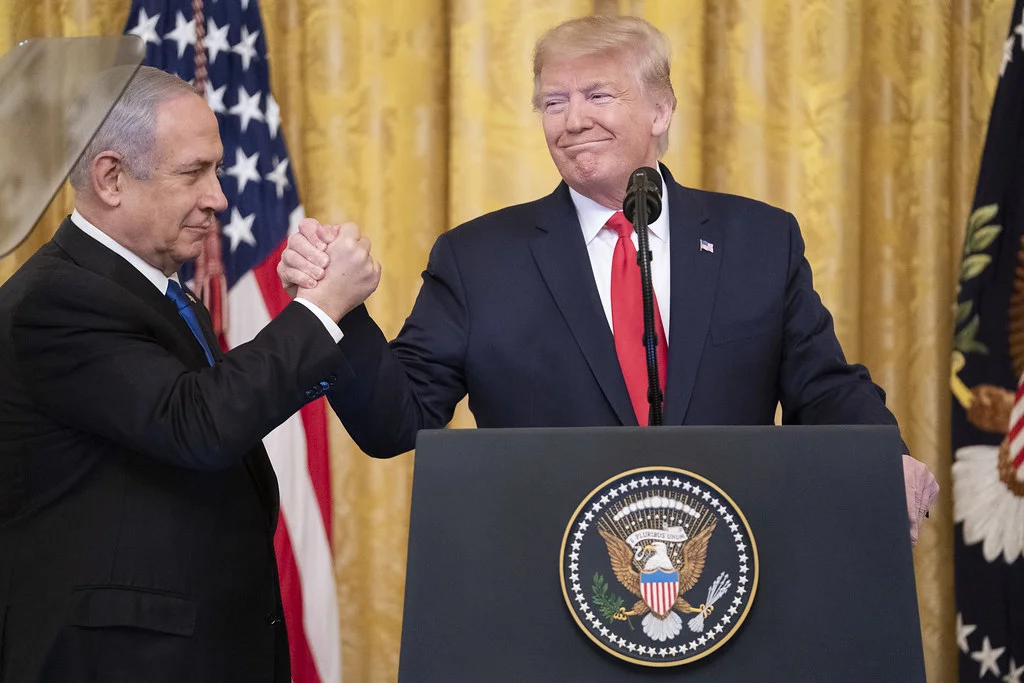
Official White House Photo by Shealah Craighead
Public Domain
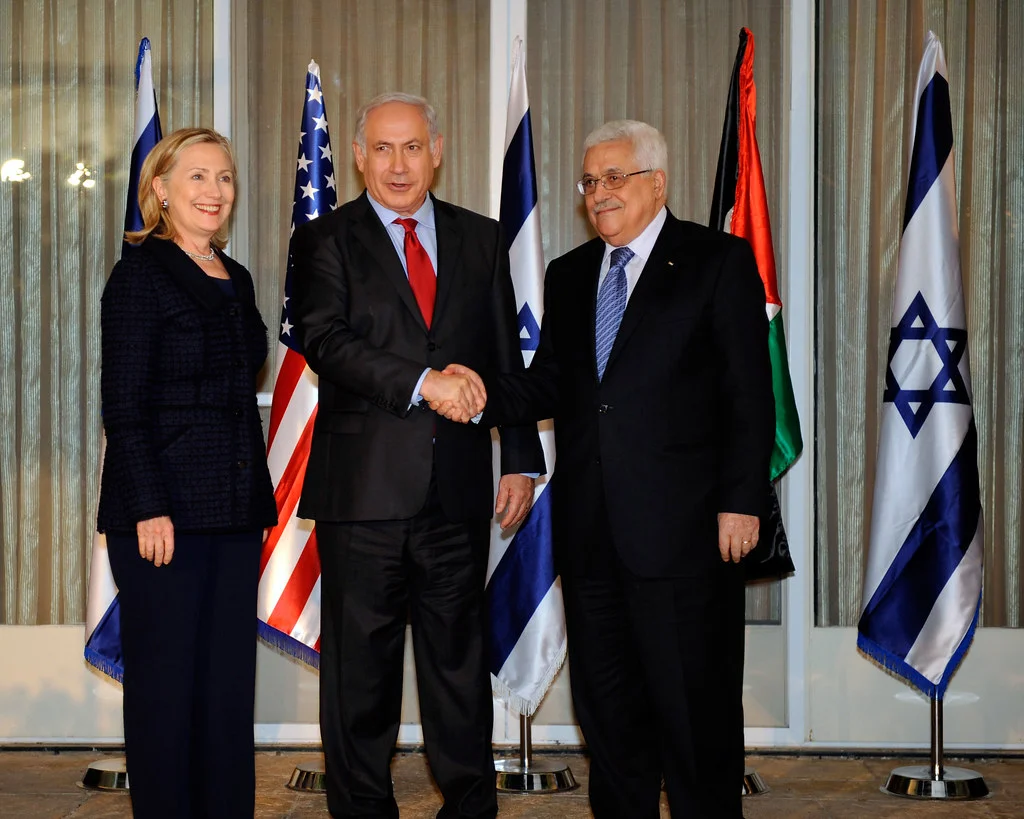
State Department photo / Public Domain
United States government work; caption: [State Department photo/ Public Domain]
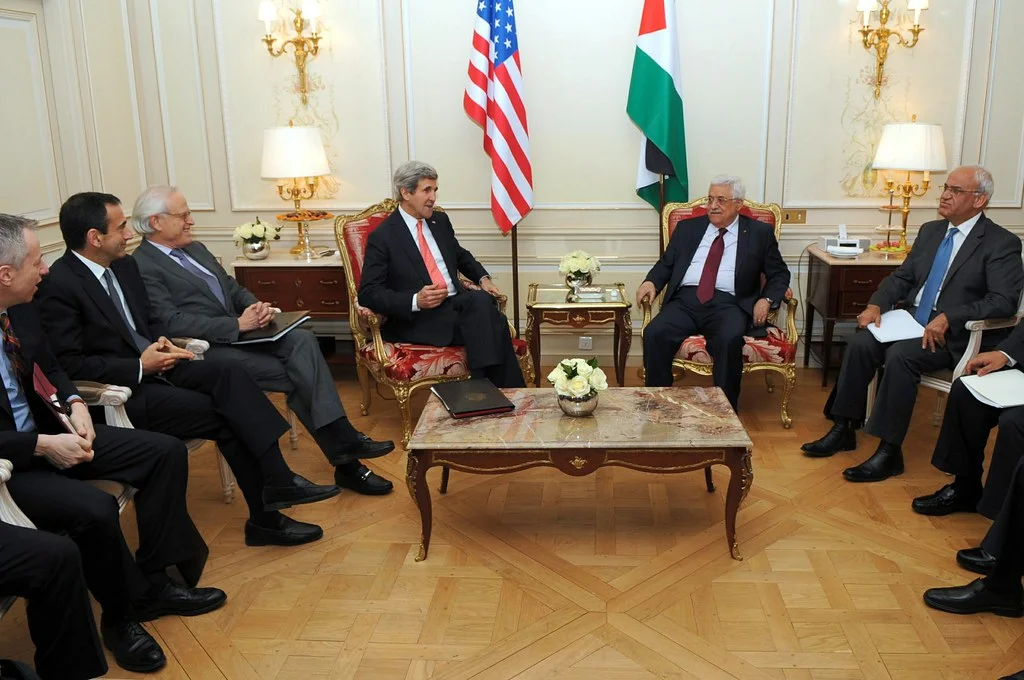
State Department photo / Public Domain
United States government work; caption: [State Department photo/ Public Domain]
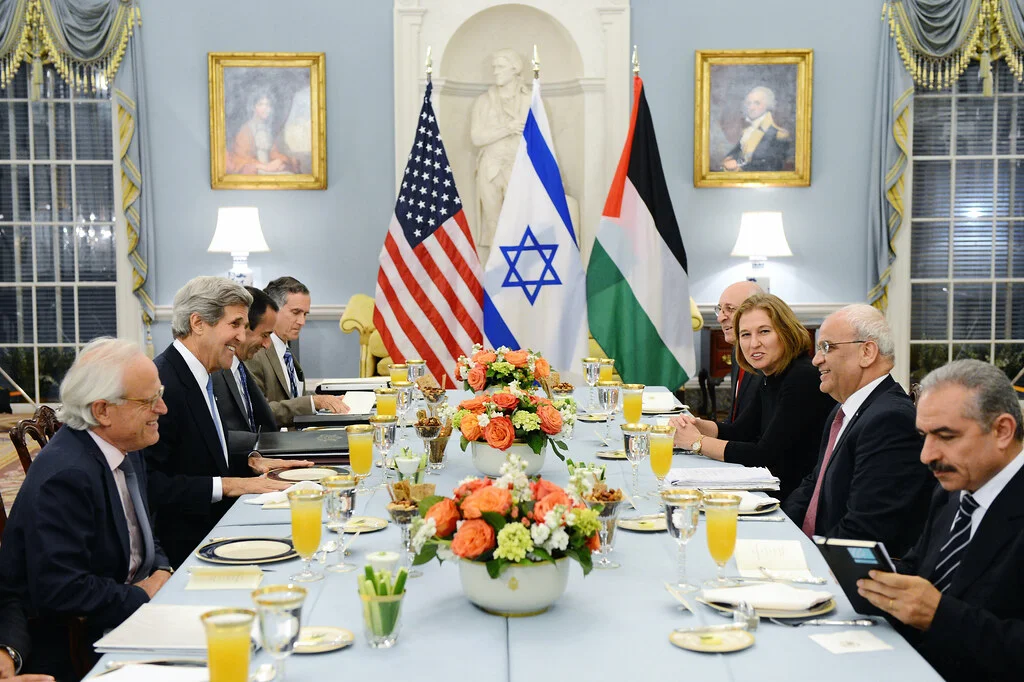
State Department photo / Public Domain
United States government work; caption: [State Department photo/ Public Domain]
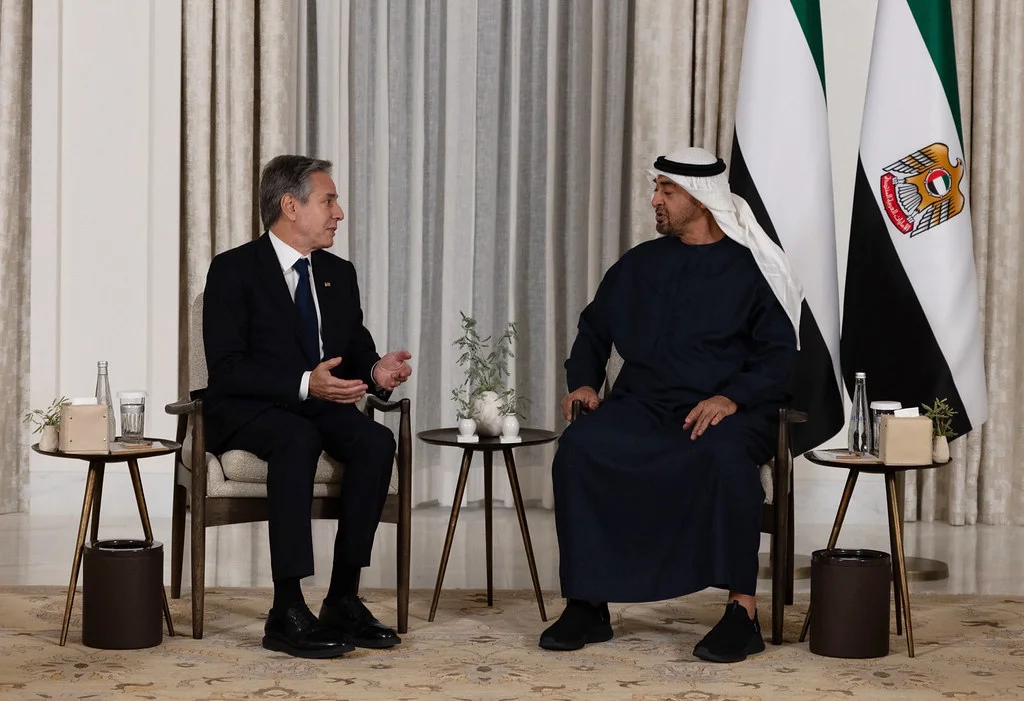
State Department photo by Chuck Kennedy / Public Domain
United States government work; caption: [State Department photo/ Public Domain]
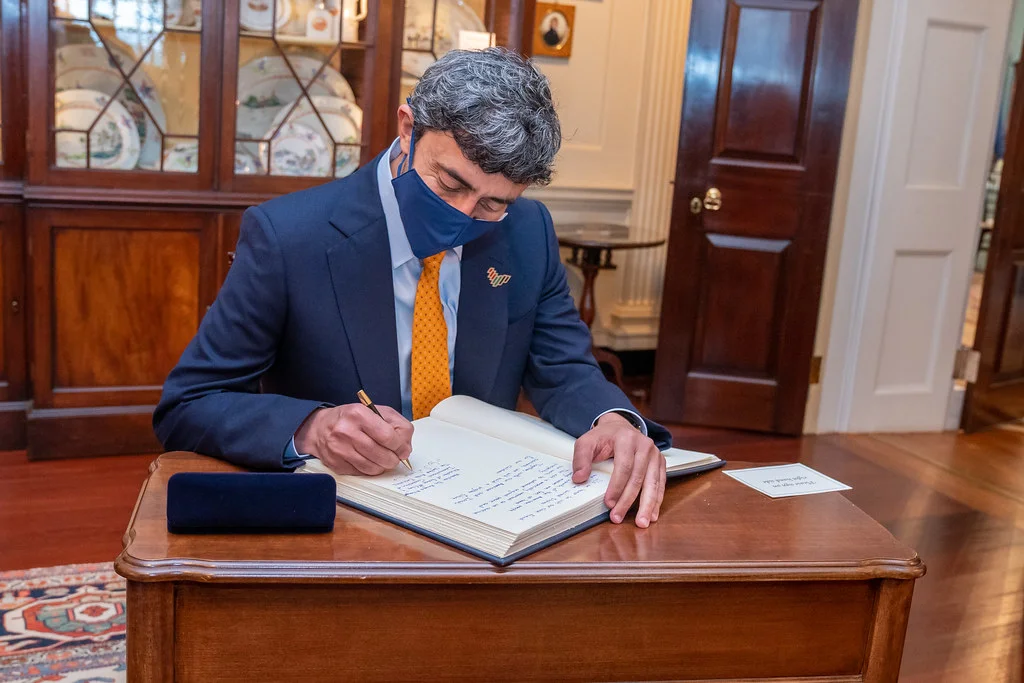
State Department photo by Ron Przysucha / Public Domain
United States government work; caption: [State Department photo/ Public Domain]
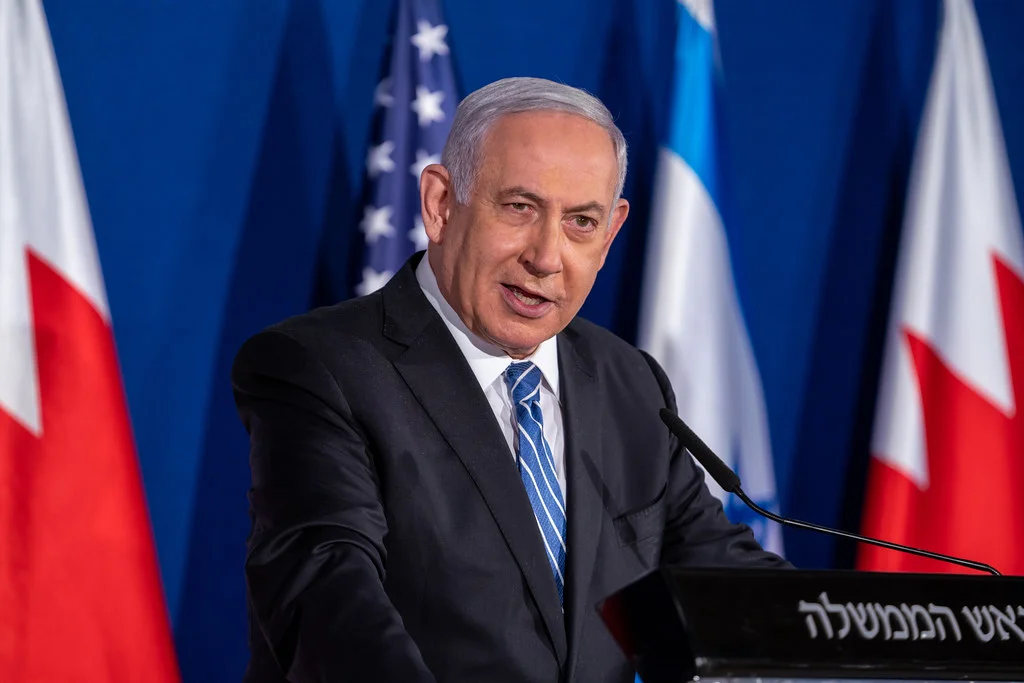
State Department Photo by Ron Przysucha / Public Domain
United States government work; caption: [State Department photo/ Public Domain]
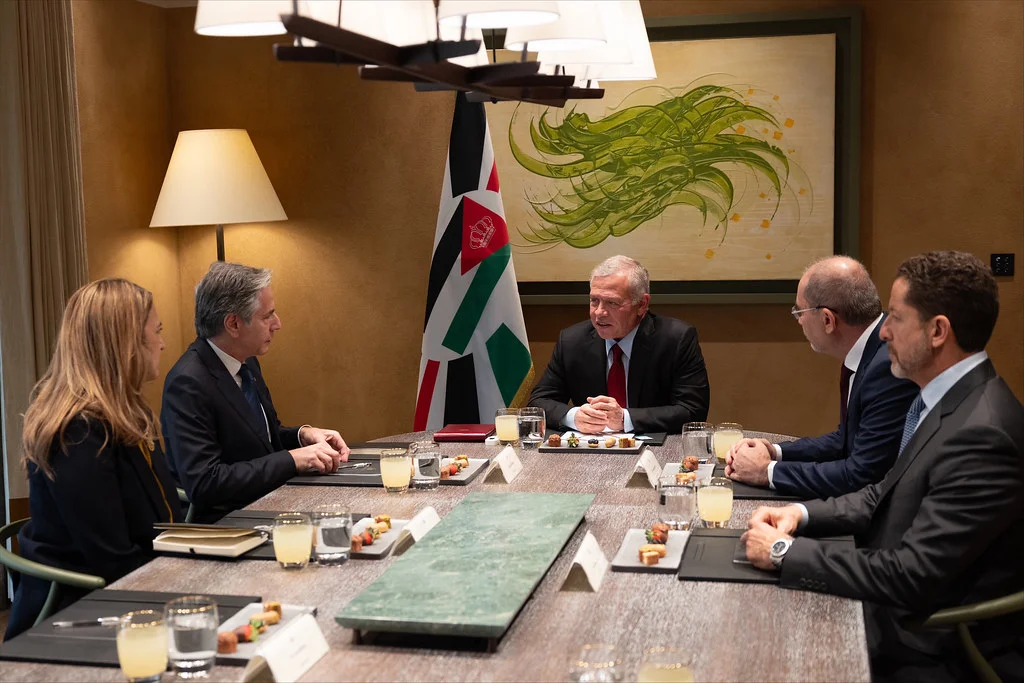
Official State Department photo by Chuck Kennedy
United States government work (the caption carries no "Public Domain" tag)
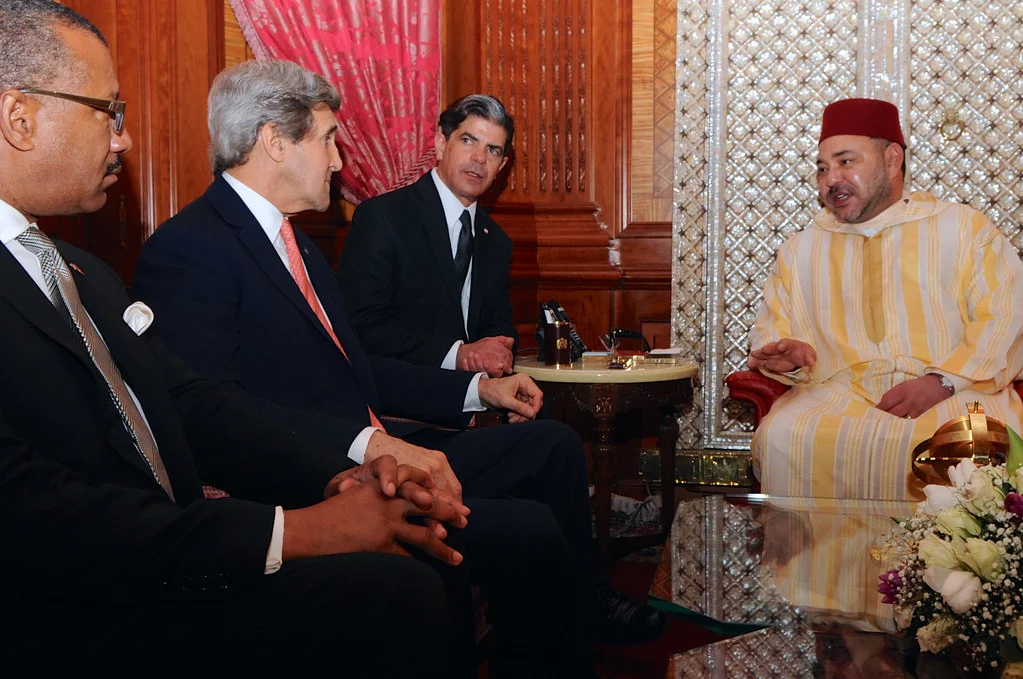
State Department photo / Public Domain
United States government work; caption: [State Department photo/ Public Domain]
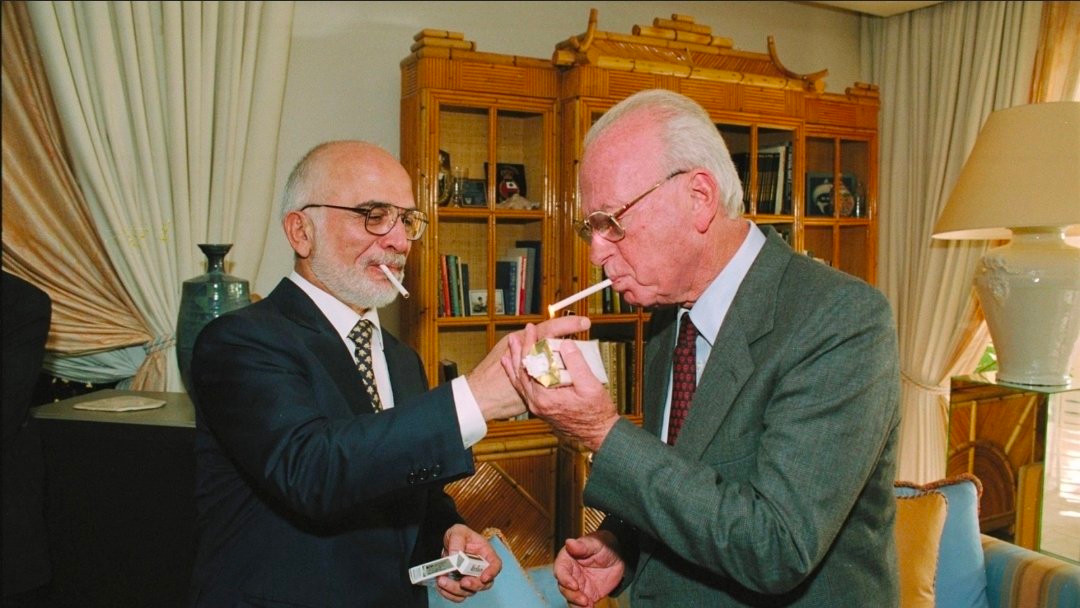
Yaakov Saar / Government Press Office (Israel), National Photo Collection, D728-143
CC BY-SA 3.0 · cropped and resized