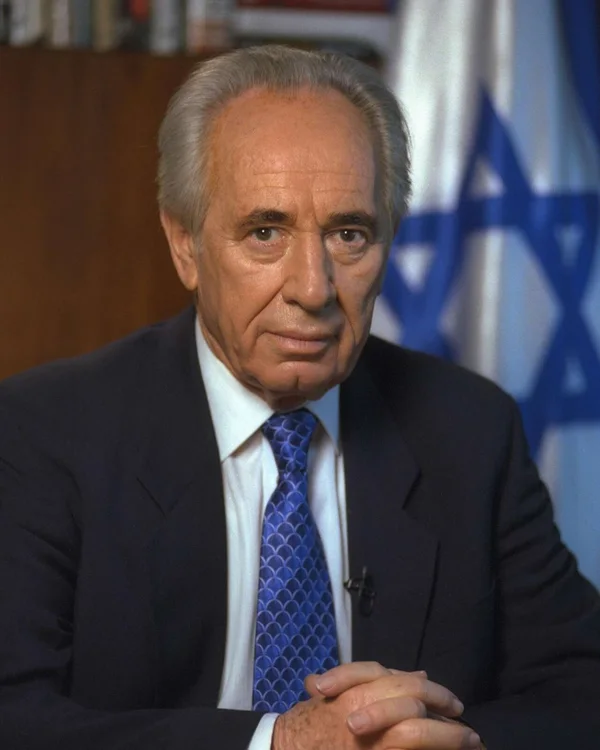
Beilin and Abed Rabbo present the Geneva Initiative
An unofficial initiative that showed what a detailed final-status deal might look like, with maps and clauses.
3-minute taste
After the past: what is on the table, what the signed agreements teach, and what one person can do.
For anyone who knows the past and wants to think about what can be done from here.
An unofficial initiative that showed what a detailed final-status deal might look like, with maps and clauses.
Stop 1 of 4 on the full path
As of October 2026 there is no agreement and there are no talks.1 But there are documented proposals: who proposed what, and what supporters and critics say. None of them is an agreement.
Go to this stop: Israelis and Palestinians: options for the futureStop 2 of 4 on the full path
Peace with a neighbour has to settle land, borders, security and water; normalisation with a distant state hardly does.23 In every case, leaders took a risk.
Go to this stop: Peace with a neighbour, normalization with a distant state: what is the difference?Stop 3 of 4 on the full path
Almost every agreement on the site had someone from outside: a mediator, a host, a witness or a guarantor.45 Still, only the parties themselves sign.
Go to this stop: And what does the world want?Stop 4 of 4 on the full path
Five things for this week, and eight Israeli, Palestinian and joint organisations. Research suggests that meeting the other side usually reduces prejudice, though the evidence for this conflict is thin.6
Go to this stop: What you can doThere was a time when war was fought for lack of choice. Today it is peace that is the "no-choice" option.
Nobel Lecture, Oslo, December 1994
The English text published by the Nobel Foundation; two consecutive sentences.
You do not have to agree with us. That is what the sources are for: open them, compare and check for yourself.