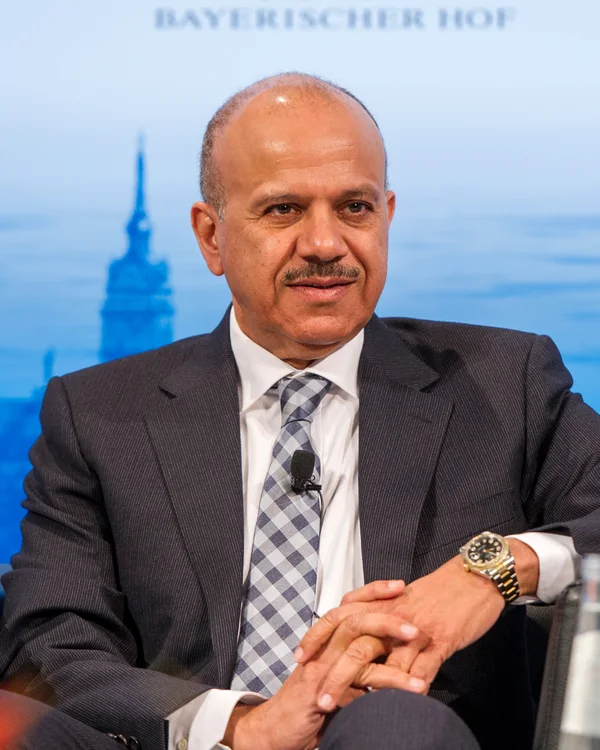
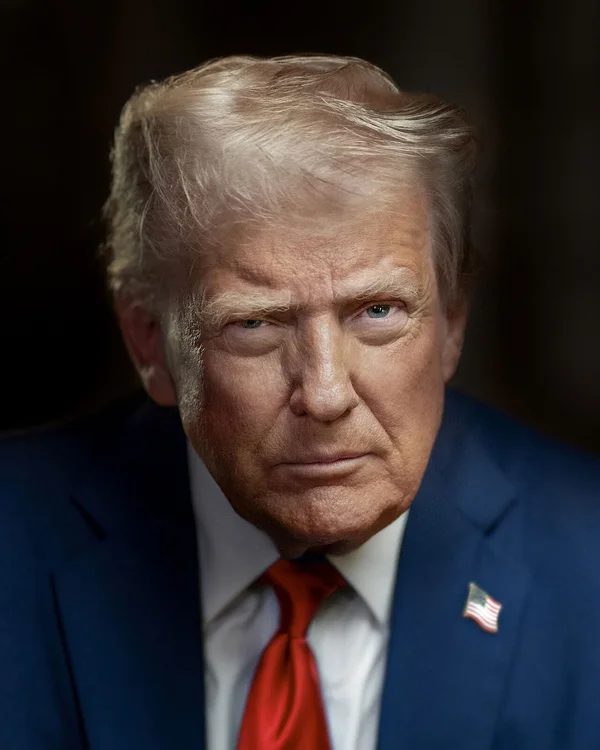
Abraham Accords and normalizationThe White House, Washington, DC
The Abraham Accords – the framework declaration
Framework or declarationIn force
A short declaration of principles signed by several states. It is not a peace treaty and creates no obligations between states; the relations themselves were set out in separate bilateral documents, each different.1
In one sentence
To open public relations between Israel and Arab states, without waiting for an Israeli–Palestinian settlement.
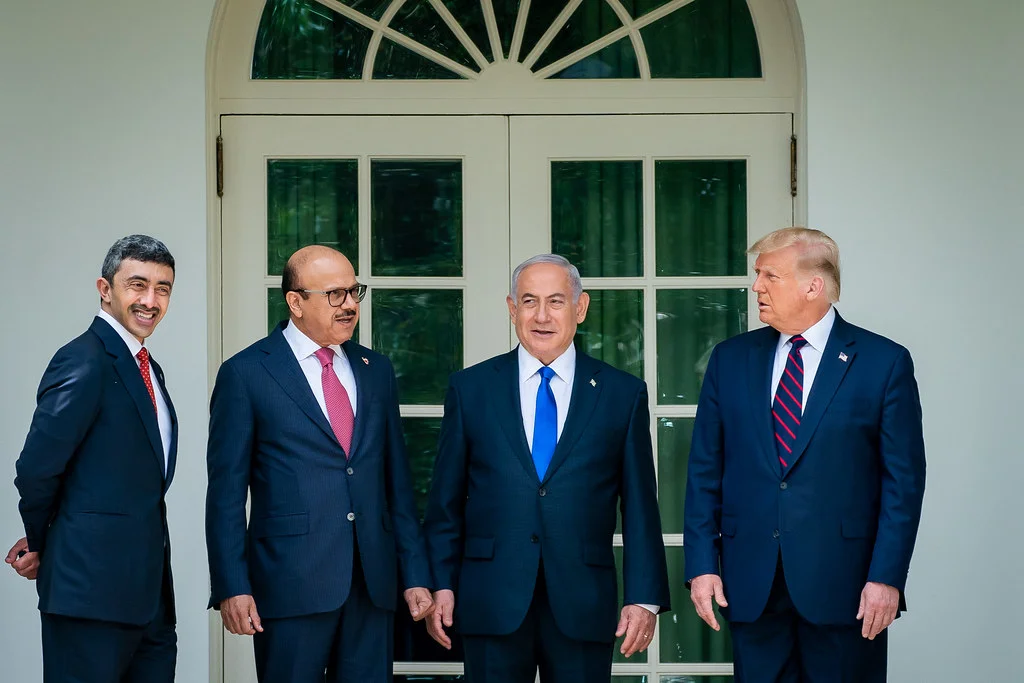
Trump walks along the White House Colonnade with Al Zayani, Netanyahu and Abdullah bin Zayed on the way to the signing ceremonyOfficial White House Photo by Tia Dufour
In 30 seconds
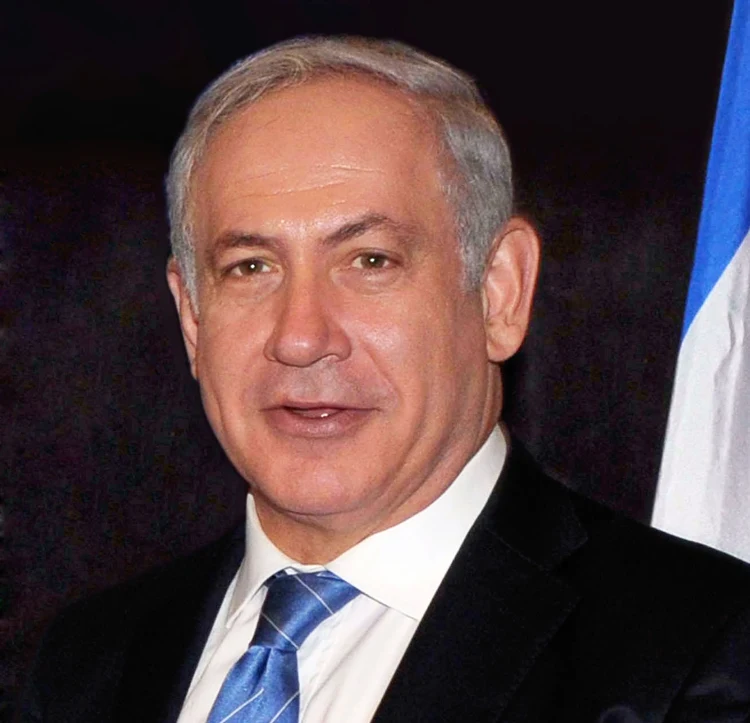
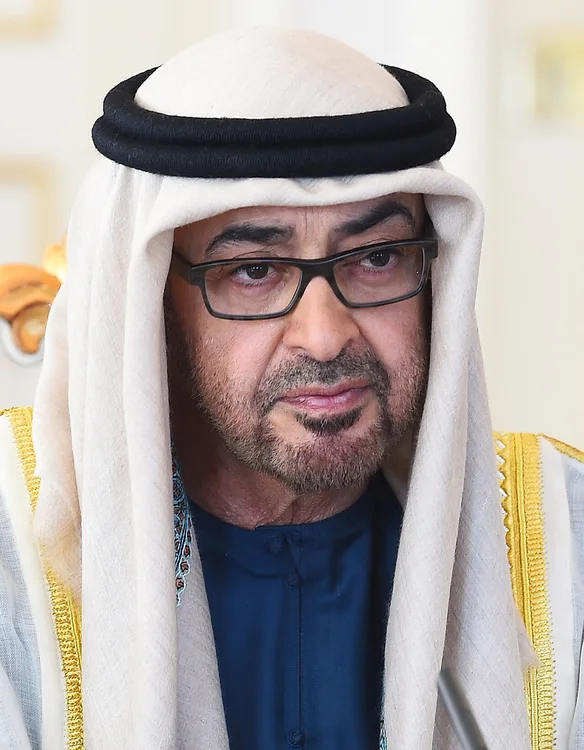
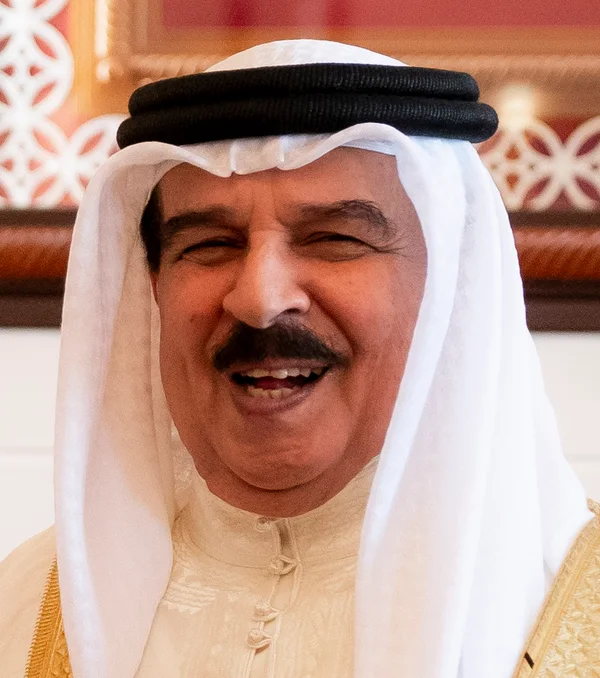
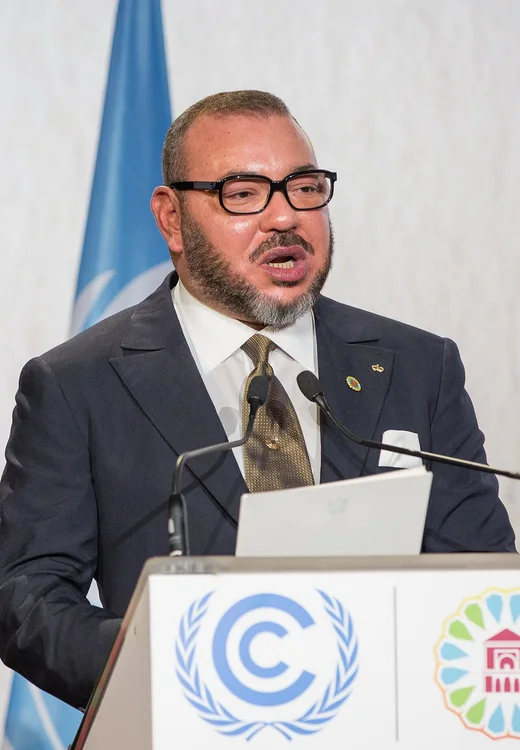
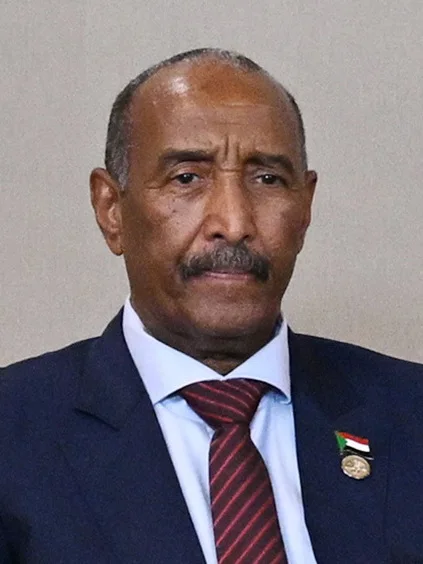
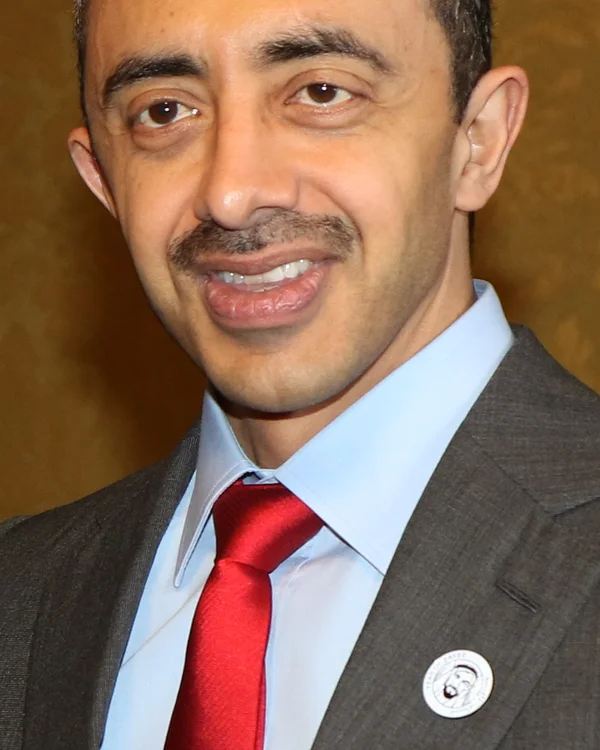
In 2020 normalization initiatives were announced between Israel and four Arab states, without waiting for a deal with the Palestinians. Official ties were established with the UAE, Bahrain and Morocco; the Sudan track did not produce a signed bilateral agreement.23 The UAE and Bahrain had never fought it; Morocco sent troops against it in 1973, and in the joint statement with Sudan the leaders agreed to end the state of belligerence.43 The step was led by Benjamin Netanyahu, the UAE's Mohamed bin Zayed, Bahrain's King Hamad, Morocco's King Mohammed VI and Sudan's leaders Abdel Fattah al-Burhan and Abdalla Hamdok, with Donald Trump's administration as mediator.5673 “The Abraham Accords” is the shared name for the documents they signed, and each track is different.1
Where it stands today
As of October 2026 no state has left. Relations with the UAE, Bahrain and Morocco continue; the Sudan track never reached a bilateral agreement; Saudi Arabia has not joined.289 The Declaration itself has no entry-into-force (glossary) clause, so “in force” here describes the relations built around it.1
Status checked on
The challenge
Until 2020 Israel had peace treaties (glossary) only with Egypt and Jordan. The Arab Peace Initiative set an order: first a settlement with the Palestinians, then relations with the Arab world.10
The UAE and Bahrain had never fought Israel, so there was no land or border to settle.11 In August 2020 an Israeli plan to apply sovereignty to parts of the West Bank, under the Trump plan, was on the table.5
Arab publics were not with their governments, and moved further away. After the Gaza war began, support for normalisation was no higher than 13% in any of the seven countries the Arab Barometer surveyed in 2023–2024; it has no figures for the UAE or Bahrain.12
Even the word is part of the argument. Supporters speak of peace; in Arabic the accords are called تطبيع (tatbi', normalisation), and for many the word itself names the objection: normal ties with Israel without withdrawal from occupied land and without a settlement for the Palestinians, as the Palestinian leadership and factions put it in 2020.10 The Arab Barometer reads its data as showing that Arab publics are not ready to embrace peace with Israel without a dignified outcome for the Palestinians.12
The road there
Joint statement by Trump, Netanyahu and Mohamed bin Zayed: full normalization between Israel and the UAE, and Israel suspends declaring sovereignty.5
Normalization between Israel and Bahrain is announced.13
White House ceremony: the Declaration, the treaty with the UAE and the declaration with Bahrain are signed.1
Joint statement by Trump, Netanyahu, al-Burhan and Sudan's Prime Minister Abdalla Hamdok: Sudan and Israel will normalize relations and end the state of belligerence between them.32
A joint declaration of Morocco, the United States and Israel is signed in Rabat.7
Sudan signs the Declaration in Khartoum, with the United States; no agreement with Israel is signed.142
Kazakhstan is announced as joining the accords; its foreign ministry confirms the next day.15
Israel recognises Somaliland, and Somaliland's president states its readiness to join the accords.16
Israel and Morocco agree to upgrade their missions to embassies.8
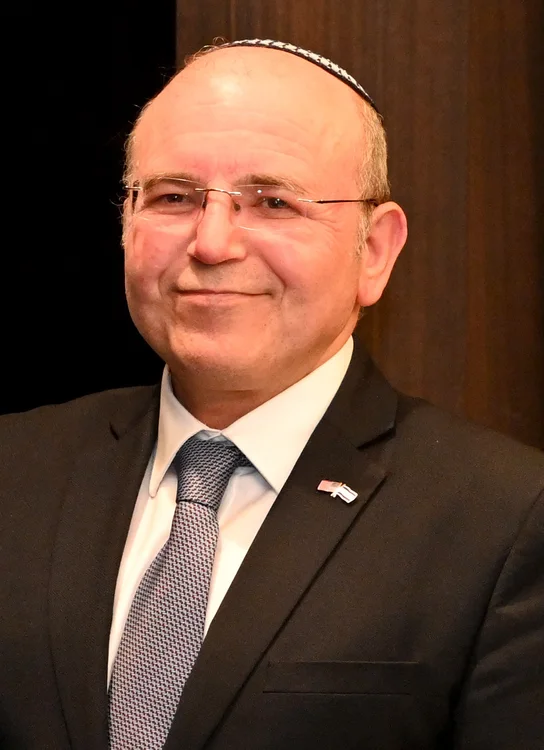
In Morocco the declaration was signed by Prime Minister Saad Eddine El Otmani, Jared Kushner for the United States and Meir Ben-Shabbat for Israel.7
The geography
How to use the map
Choose a country on the map or in the list. One finger scrolls the page; two fingers move and pinch the map. You can also use + and −. For one-finger map dragging, enable the button above. Keyboard: arrows to pan, + and − to zoom, Home to reset.
Layers
Classification follows the original research as of 7 Oct 2026. This schematic map is not a legal boundary map or a live update.
Israel
Peace treaty in force
Normalization (Abraham Accords)
Announced, not concluded
Interim agreements, no permanent settlement
Military agreements and talks, no peace treaty
No relations; Arab Peace Initiative on the table
Schematic map. Lines are approximate and are not a legal determination. Data: Natural Earth (public domain), 1:10m scale; line classification and place names by this site. Lines as of October 2026. Peace map
The hard decisions
Two choices on the road to the agreement. What would you have done?
Benjamin Netanyahu and the Israeli government
Suspend plans to apply sovereignty to parts of the West Bank in return for full relations with the UAE?
What would you have done?
There is no right answer here. This is how the scales looked then:
What could be gained
Embassies and full relations with the UAE, with commitments to agreements on aviation, trade, healthcare and tourism, before a settlement with the Palestinians had been reached.17
What it would cost
The 13 August 2020 statement pledged to suspend the move without providing for its permanent cancellation. The September treaty reaffirmed that joint statement but did not repeat the suspension clause explicitly.517
What happened
Full diplomatic relations were established with the UAE and Bahrain.2 In 2025 more than a million passengers flew from Israel to Dubai.19
The United Arab Emirates
Open relations with Israel before a settlement with the Palestinians, unlike the order set by the Arab Peace Initiative?
What would you have done?
There is no right answer here. This is how the scales looked then:
What could be gained
Relations, trade and cooperation. Alongside the accord stood a US F-35 deal, which was not completed.20
What it would cost
The Palestinian Authority recalled its ambassador from Abu Dhabi, and all Palestinian factions rejected the move.10
What happened
Trade between Israel and the UAE reached $3.2 billion in 2025, according to the Heritage Foundation.19 In Arab Barometer surveys across seven countries in 2023–2024, support for normalisation was no higher than 13% in any of them. The surveys did not include the UAE or Bahrain.12
The decisions and risks in detail
In the statement of 13 August 2020, Israel committed to suspend applying sovereignty, not cancel it. The preamble of the September treaty reaffirms that joint statement, although it does not repeat the suspension clause explicitly.517
The Palestinian Authority recalled its ambassador from Abu Dhabi, and all the Palestinian factions rejected the move.10
Separate American incentives came alongside: an F-35 deal for the UAE that was never completed;20 recognition of Moroccan sovereignty over Western Sahara;21 and Sudan's removal from the list of state sponsors of terrorism.14
Where accounts differ
According to The Palestinian leadership and the Palestinian factions
The accords bypassed the Palestinians, departed from the Arab Peace Initiative and gave Israel relations without withdrawal from territory.10
According to The US administration and supporters of the accords
The accords have withstood every test since 2020, and the sceptics were wrong; this is what the US ambassador to the UN said in September 2026.8
According to The Middle East Institute (MEI)
The accords stayed intact after 7 October 2023 but were in a state of suspension: no state left, and hardly any new agreements were signed.2
According to The Arab Barometer
Without an independent Palestinian state a “warm peace” has no chance, and the result will look like the cold peace with Egypt and Jordan.12
✓What was carried out 2
Full diplomatic relations were set up with the UAE and Bahrain, and relations with Morocco were resumed at the level of liaison offices.27
Israel–UAE trade reached 3.209 billion dollars in 2025, according to Israel Central Bureau of Statistics data as relayed by the Heritage Foundation, an American think tank that supports the accords.19
✕What was not 3
No bilateral agreement was signed with Sudan and no embassies were opened.2
Kazakhstan, which has had relations with Israel since 1992, announced it was joining;1522 by late September 2026 the signing ceremony had not taken place, although it attended a meeting of the accords' states in New York on 24 September.23 Somaliland said it was ready to join; according to the Heritage Foundation, after its president visited Israel in June 2026 it still wants to join formally.1624
Saudi Arabia has not joined. According to a July 2026 report, it makes recognising Israel conditional on an irreversible path to a Palestinian state.9
What changed in real life
In 2025, 1,119,786 passengers flew from Israel to Dubai and 406,157 to Abu Dhabi. The other way there is hardly any traffic: about 700 visitors from the UAE, about 100 from Bahrain and about 1,200 from Morocco, according to the Heritage Foundation's annual report.19
What remains open
The Palestinian question stayed outside the documents, apart from general wording about resolving the conflict.176
Who counts as a “member”? It depends who is counting. The US State Department publishes the documents of four Arab states;1 the Heritage Foundation also counts Egypt, Jordan and Kosovo, by its own definition.19
I stand here today to extend a hand of peace and receive a hand of peace.
Abraham Accords signing ceremony, South Lawn of the White House, 15 September 2020
Source and status of the wording
The minister spoke in Arabic. In the Arabic edition the sentence is given in the Arabic wording published by the Emirates News Agency (WAM), as carried by the newspaper Al Bayan on 16 September 2020. The English text is from the official White House transcript, which marks his remarks "(As interpreted.)" – this is the interpreter's English.
The announcement opened the way to full diplomatic relations between Israel and the UAE and the signing in September 2020.
Netanyahu's speech at the Abraham Accords signing
Event date: · IsraeliPM
Netanyahu led the move on Israel's side, and the Abraham Accords opened a new chapter of open ties with Gulf states.
Sheikh Abdullah bin Zayed's signing speech
Event date: · سكاي نيوز عربية
The Emirati voice at the ceremony, presenting normalisation as a choice for peace and cooperation.
Bahrain's foreign minister at the signing
Event date: · سكاي نيوز عربية
Bahrain joined the Abraham Accords days before the ceremony, becoming the fourth Arab state to establish ties with Israel.
More from the archive (4)
Abraham Accords signing ceremony at the White House
Event date: · U.S. Department of State
Abraham Accords signing ceremony, the White House, 15 September 2020
Sudan signs the Abraham Accords
Event date: · The National News
Signing the declaration did not come with a full bilateral treaty, which sets the Sudan track apart.
President Trump addresses the Knesset
Event date: · The Knesset
The speech linked the end of the Gaza war with widening the Abraham Accords and became a defining moment of the year.
Abraham Accords signing – second State Dept. upload
Event date: · U.S. Department of State
Abraham Accords signing ceremony, the White House, 15 September 2020 – a second State Department upload
Sources
Open the sources, compare and check for yourself.
What can this source tell us?
A document shows what was written; testimony tells what someone saw or remembers; research and reporting add interpretation and comparison. Always ask who produced the information and what still needs checking. The label alone does not establish quality, and two sites copying one document still give you one source.