About us and sources
We wanted a place to discuss peace seriously, and to want it too. To get to know the people who tried, understand what worked and what broke down, and make room for the fears and hopes of those who live here. The site is written in Israel, in support of security and dignity for both peoples. Here we explain our perspective and how we check our work.
One person’s initiative. An open invitation to collaborate.
Room for Peace is an independent initiative run by one person: Dan-Eyal Gazit. I welcome collaboration with Israeli, Arab and international nonprofits and organisations working on peace, dialogue and learning. If you have an idea for working together, I’d be glad to hear from you.
Who we are, and where we write from
We write from an Israeli perspective, which shapes the questions we ask. We want readers to know that. When we present a government’s position, a participant’s memory or our own interpretation, we aim to make clear who is speaking and what supports the account.
Return to Sadat’s visit to Jerusalem, the Oslo talks, the Taba arbitration or peace with Jordan, and you meet people making decisions in difficult circumstances. Drafts were rejected, arguments continued and ideas returned to the table. We find these agreements inspiring because the work and courage it took to reach them are visible.
Peace with Egypt and Jordan is a good reason to continue. Alongside those achievements, the questions between Israelis and Palestinians remain open: borders, security, Jerusalem, refugees and sovereignty. We want to understand what earlier attempts can teach us and what the next partners will need to do differently.
Alongside the Israeli vantage point we present the positions of the other sides, Palestinians, Egyptians, Jordanians, Syrians, Lebanese and others, fairly, as positions worth knowing and discussing. We seek to understand the other side’s hardship, fear and loss as well. This site stands on these principles: the absolute rejection of terrorism and of attacks on civilians, and the right of both peoples to live in security and dignity.
You are welcome to use the site even if you disagree with its position. Follow the references, read the documents and compare accounts. We hope the reading raises a new question or introduces a perspective you have not encountered before.
We hope for a day when Israelis and Palestinians can plan their lives in security and dignity, and neighbours resolve disputes through negotiation. Getting there takes work. If this site helps us ask a better question, listen seriously or see a possibility we had missed, it was worth building.
A personal perspective · Essays from 2001–2002, reworked in 2026 · Hebrew
This site’s message, in one moment
Yes to peace, no to violence
Saturday night, 4 November 1995, Kings of Israel Square in Tel Aviv. Hundreds of thousands came to a rally under this slogan, and Yitzhak Rabin gave his last speech there. Minutes after he left the stage he was murdered by a Jewish Israeli assassin. The square has borne his name ever since, and the slogan stayed.
Rabin’s assassination: a line crossedThe story of the speechViolence and peaceYitzhak Rabin

Our mark
The peace symbol was designed in 1958 and was never registered as a protected mark. It belongs to no state, religion or party, and it looks the same in Hebrew, Arabic and English. That is why we chose it: a symbol that no side needs permission to use.
We added one thing: a dot where the lines meet. That is the “room” in the site’s name. Two lines come from different directions, meet at one point, and one line goes on from it. The dot recurs across the site: at the end of the line under each page heading and at the stops of the paths.
What this site stands for
- Israel’s right to exist as an independent, sovereign state, in security.
- The Palestinian people’s right to an independent, sovereign state and to life in security and dignity.
- The right of all peoples of the region to self-determination, security and dignity.
- Absolute condemnation of terror, violence against civilians, kidnapping and incitement to harm people, whoever commits them.
- Opposition to antisemitism, racism, hatred of Arabs and Muslims, and dehumanisation.
- Commitment to dialogue, mutual recognition and the peaceful resolution of conflicts.
- Hamas is a terrorist organisation, and Hamas is not the Palestinian people.
These are the site’s principles. They do not mean that a political settlement exists, or that its borders are agreed.
How we worked
Order of preference for sources: the text of the agreement or declaration itself; government archives, the UN and presidential libraries; memorial and research centres; academic research; and quality press for current developments. Wikipedia is used for orientation only.
Every substantive claim carries a numbered source; click it to get there.
The site keeps five things apart: documented fact, scholarly interpretation, a party’s position, a political proposal, and the site’s own values. A historical dispute is shown as a dispute, with each position attributed.
Classification: a peace treaty, normalization, an interim agreement, an armistice or ceasefire, talks that did not mature, and an initiative or proposal are different things. Document type, signature, implementation and current status are set separately. A signature does not mean everything was carried out.
The site does not confuse a government with a people, an organisation with a public, or civilians with combatants, and assigns no collective blame. Accuracy comes before symmetry.
The name
“מקום לשלום” in Hebrew and “مكانٌ للسلام” in Arabic say two things at once: a site that is a place, and the assumption that there is a place for peace. In English we chose Room for Peace, which carries the same double meaning better than a literal translation.
Credits and licences
Maps: Natural Earth, public domain. Fonts: Google Fonts under open licences. The peace symbol was designed by Gerald Holtom in 1958 and was never copyrighted. Illustrations on the site are original. Photos and videos: see the “Watch and listen” page. Watch & listen
Maintenance
Each agreement is one file in the content folder, in three languages. Adding an agreement or updating a status means editing the file, running the validator and rebuilding. Full instructions are in the README in the source code.
Photograph register: credit, licence and source
124 photographs
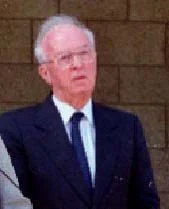 Yitzhak Rabin Photograph date: 11 July 1994 · 562×750
Yaakov Saar / Government Press Office; crop by Ericliu1912
CC BY-SA 3.0 · cropped and resized
See the photo in the archive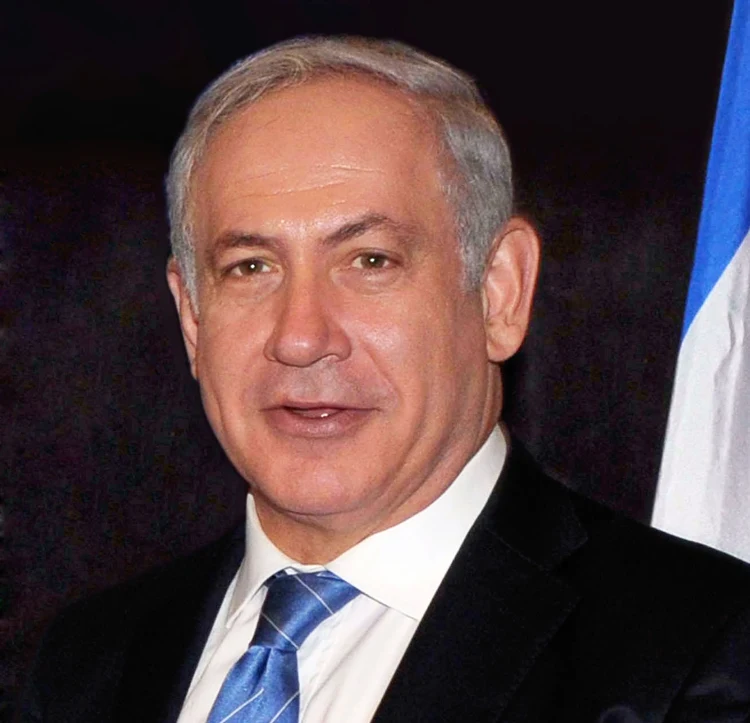 Benjamin Netanyahu, Jerusalem, 18 November 2020 (cropped from a wider photograph) Photograph date: 18 November 2020 · 500×625
State Department Photo by Ron Przysucha / Public Domain
United States government work; caption: [State Department photo/ Public Domain] — cropped by this site from the full photograph
See the photo in the archive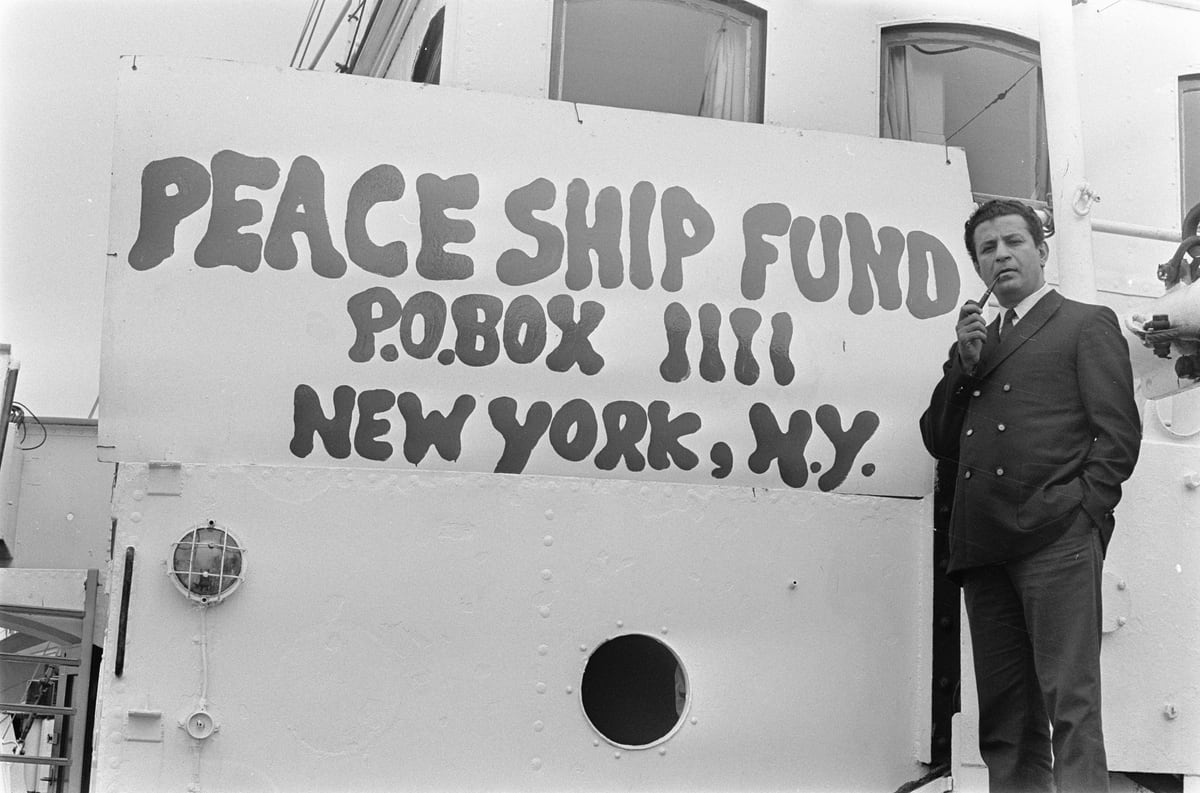 Abie Nathan aboard the ship in Amsterdam, 18 July 1969 Photograph date: 18 July 1969 · 1200×793
Unknown photographer / Anefo / Nationaal Archief
CC0 1.0
See the photo in the archive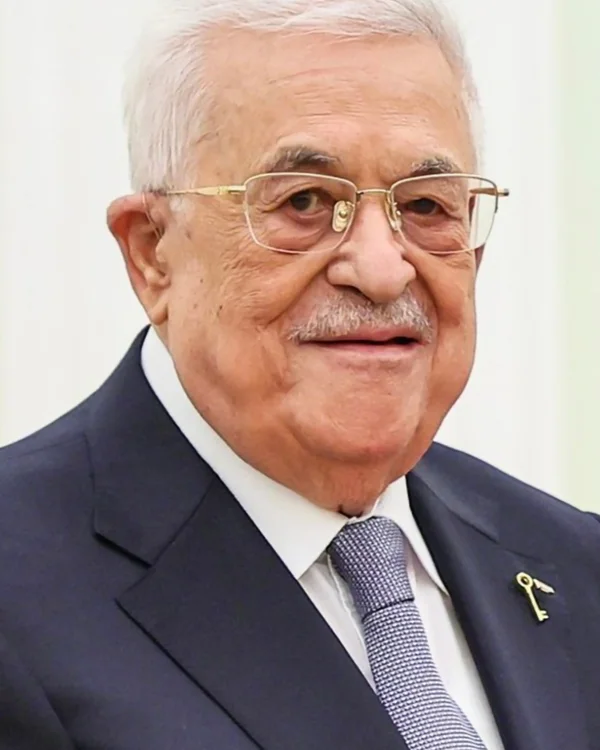 Mahmoud Abbas Photograph date: 22 January 2026 · 544×750
kremlin.ru / Wikimedia Commons
CC BY 4.0 · cropped and resized
See the photo in the archive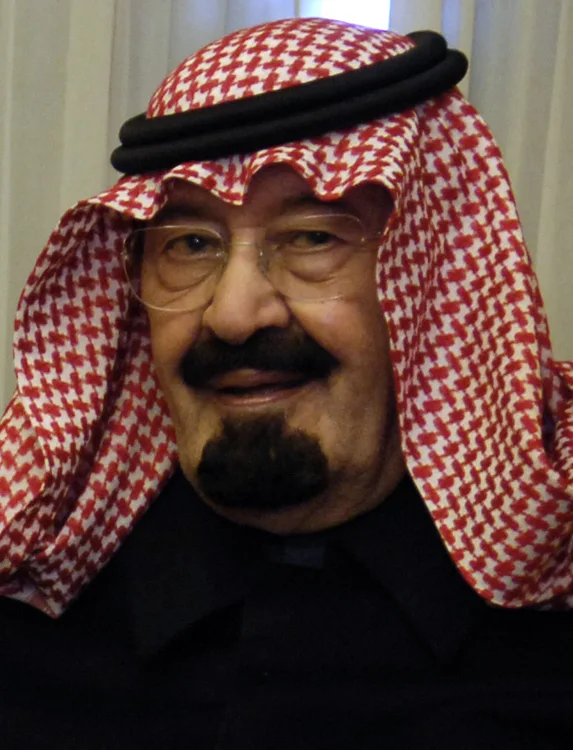 Abdullah bin Abdulaziz (then Saudi Crown Prince) Photograph date: 17 January 2007 · 573×750
Cherie A. Thurlby / Wikimedia Commons
Public domain · cropped and resized
See the photo in the archive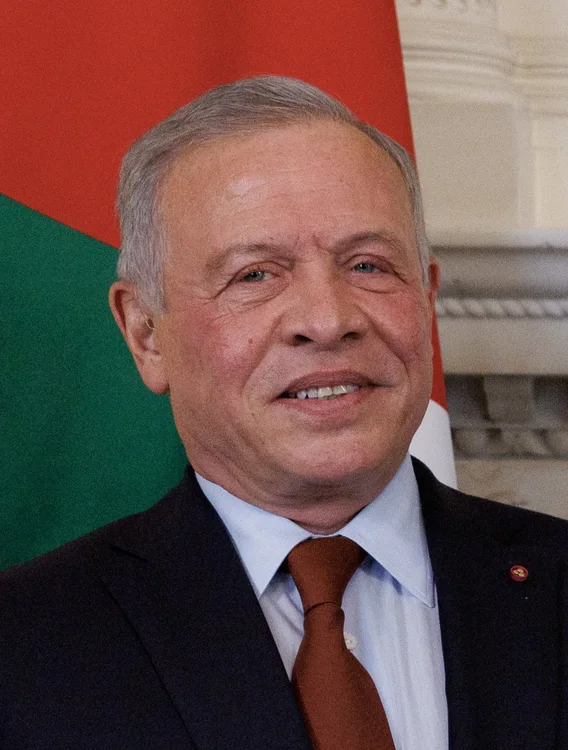 King Abdullah II of Jordan Photograph date: 16 February 2026 · 568×750
Number 10 / Wikimedia Commons
OGL 3 · cropped and resized
See the photo in the archive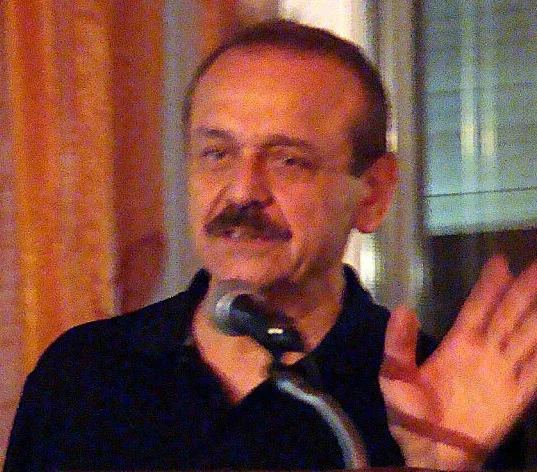 Yasser Abed Rabbo Photograph date: 2007 · 537×472
dlisbona / Wikimedia Commons
CC BY 2.0 · cropped and resized
See the photo in the archive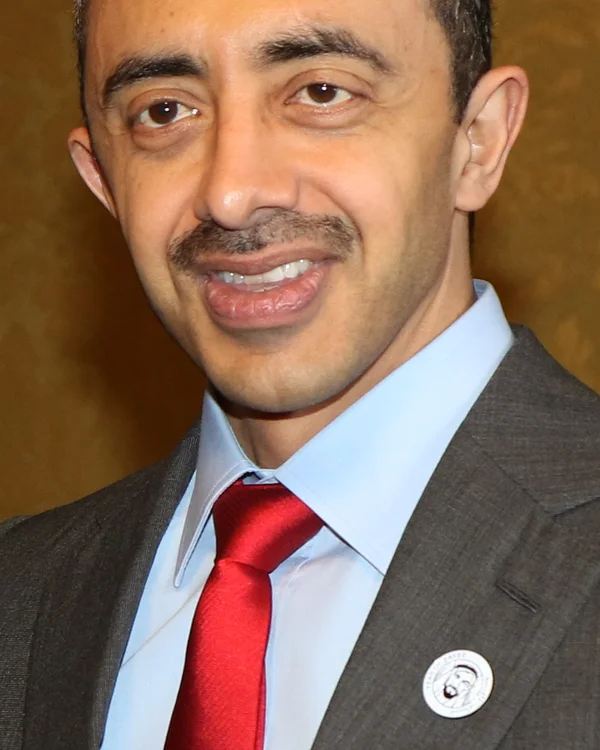 Abdullah bin Zayed Al Nahyan Photograph date unknown · 453×750
Foreign and Commonwealth Office / Wikimedia Commons
CC BY 2.0 · cropped and resized
See the photo in the archive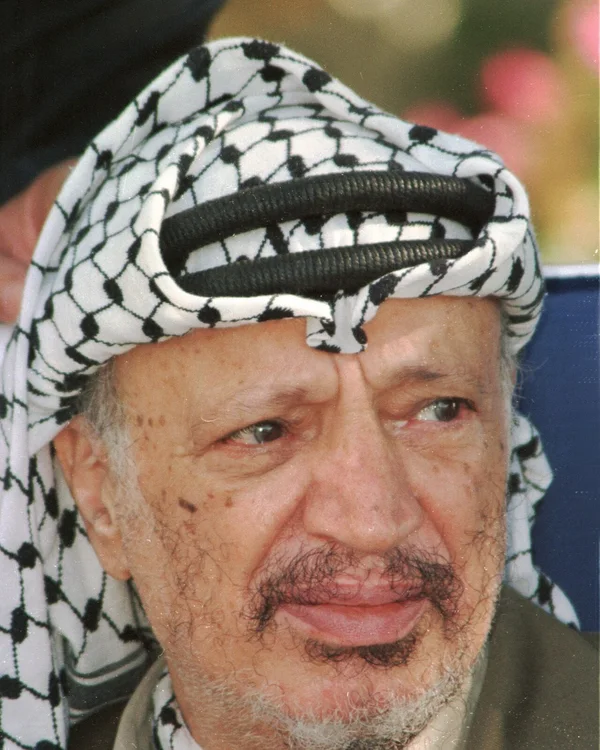 Yasser Arafat Photograph date unknown · 516×750
Gideon Markowiz / Wikimedia Commons
CC BY 4.0 · cropped and resized
See the photo in the archive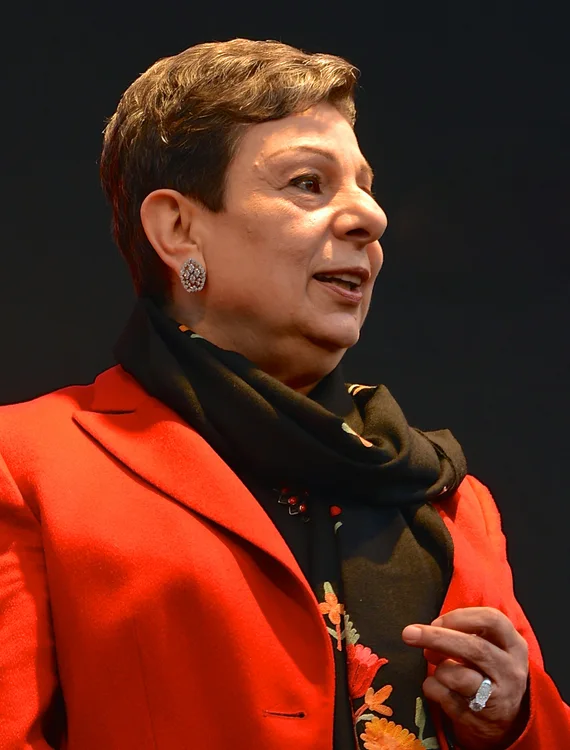 Hanan Ashrawi Photograph date: 11 September 2013 · 570×750
Frankie Fouganthin / Wikimedia Commons
CC BY-SA 4.0 · cropped and resized
See the photo in the archive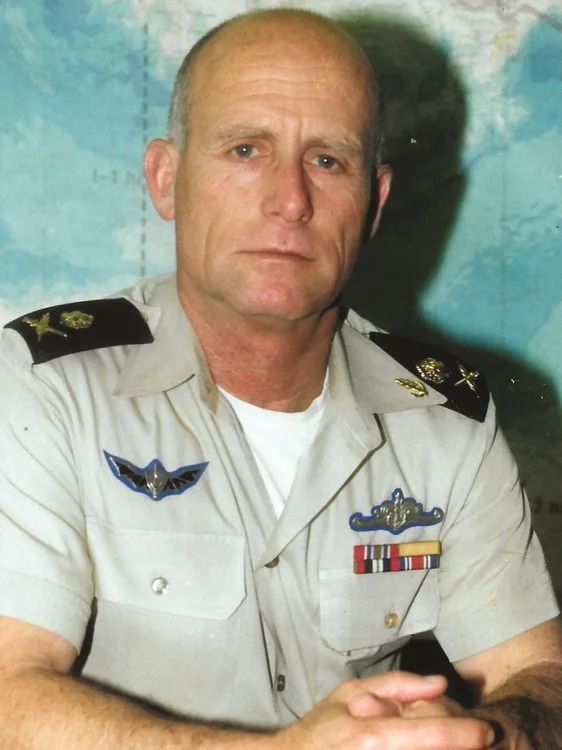 Ami Ayalon Photograph date: 1996 · 562×750
ניר מאור מאוסף מוזיאון ההעפלה וחיל הים / Wikimedia Commons
CC BY-SA 3.0 · cropped and resized
See the photo in the archive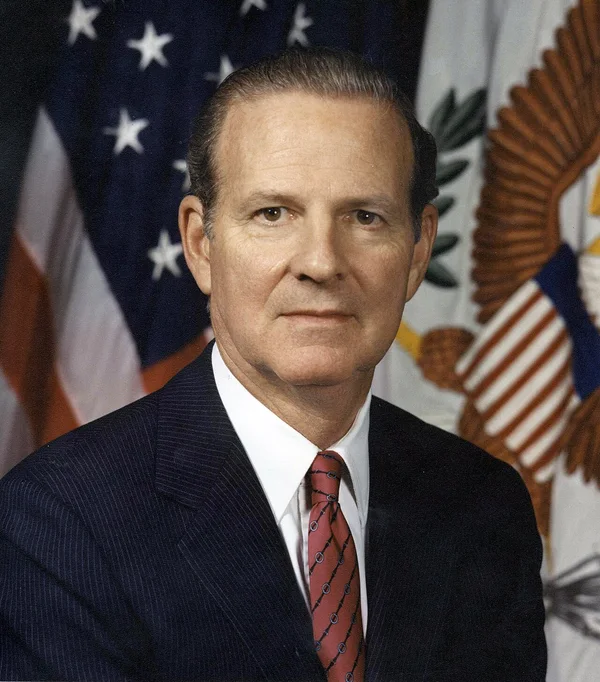 James Baker Photograph date unknown · 600×682
U.S. Department of State from United States / Wikimedia Commons
Public domain · cropped and resized
See the photo in the archive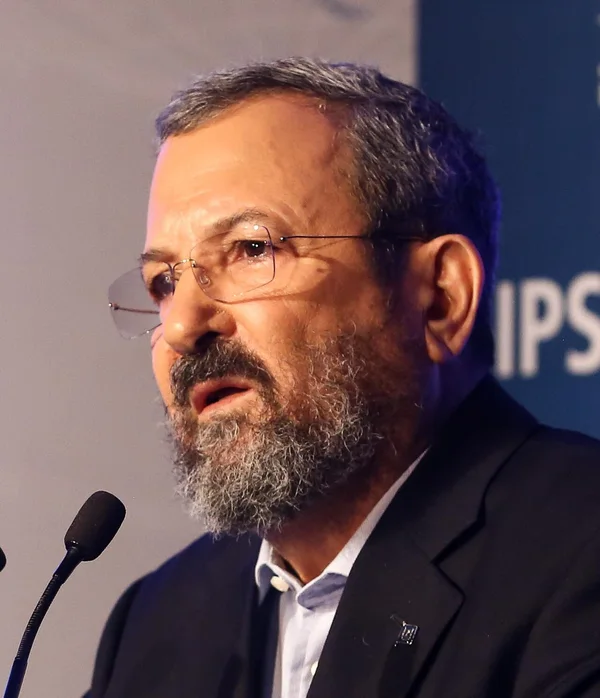 Ehud Barak Photograph date: 16 June 2016 · 600×698
Adi Cohen Zedek (עדי כהן צדק) / Wikimedia Commons
CC BY-SA 3.0 · cropped and resized
See the photo in the archive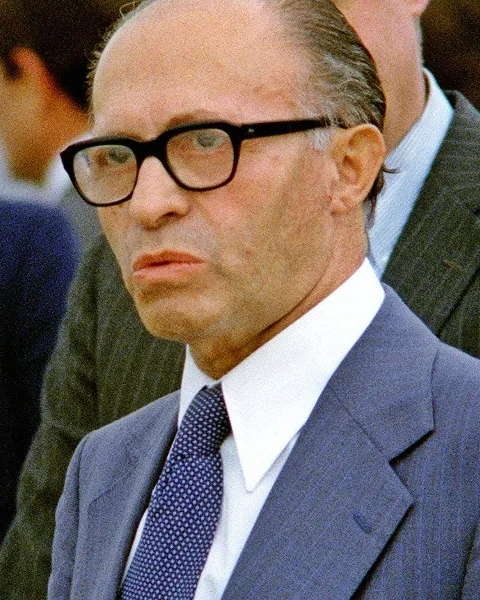 Menachem Begin Photograph date: 1978 · 480×640
Menachem Begin 1978.jpg : USAF personnel derivative work: Ladislav Faigl ( talk ) / Wikimedia Commons
Public domain · cropped and resized
See the photo in the archive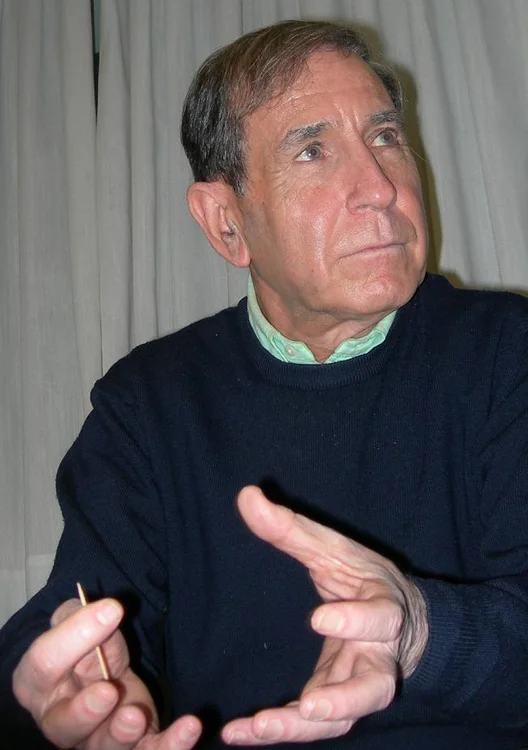 Shlomo Ben-Ami Photograph date unknown · 528×750
No machine-readable author provided. Alexquendi~commonswiki assumed (based on copyright claims). / Wikimedia Commons
Public domain · cropped and resized
See the photo in the archive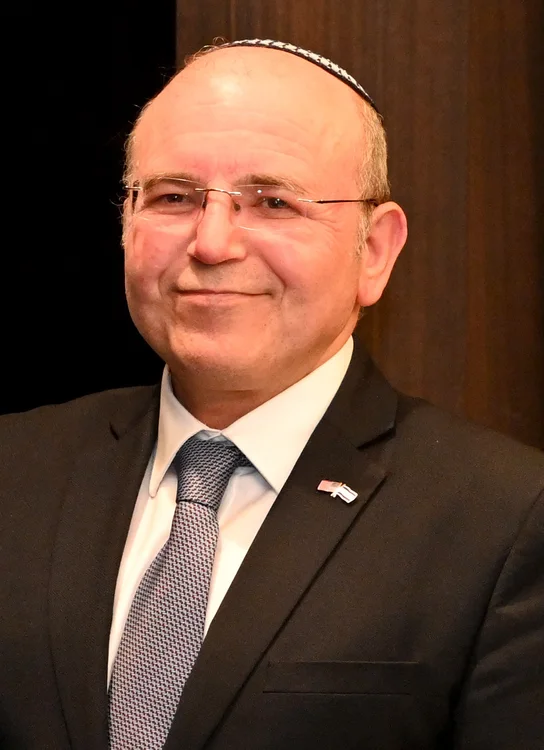 Meir Ben-Shabbat Photograph date unknown · 544×750
U.S. Embassy Jerusalem / Wikimedia Commons
CC BY 2.0 · cropped and resized
See the photo in the archive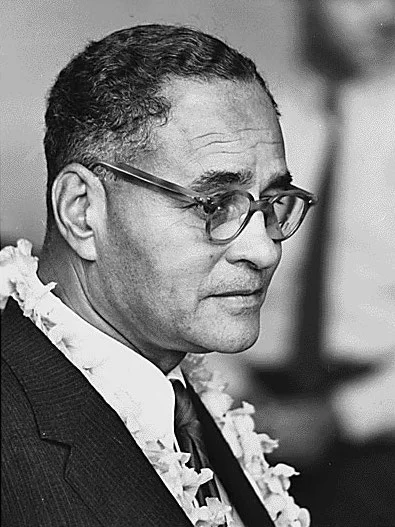 Ralph Bunche Photograph date: 28 August 1963 · 395×527
U.S. Information Agency. / Wikimedia Commons
CC BY-SA 2.0 · cropped and resized
See the photo in the archive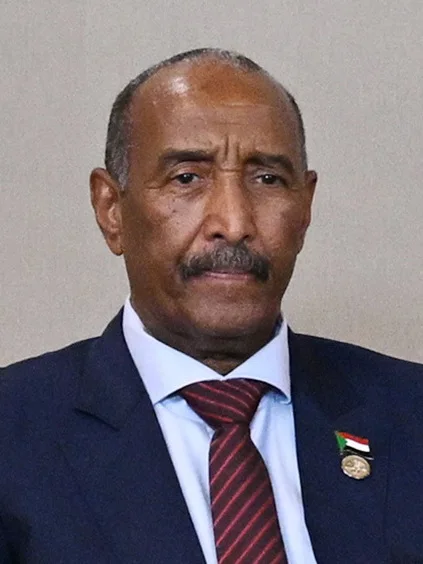 Abdel Fattah al-Burhan Photograph date: 11 April 2025 · 423×564
Press Service of the President of the Republic of Azerbaijan / Wikimedia Commons
CC BY 4.0 · cropped and resized
See the photo in the archive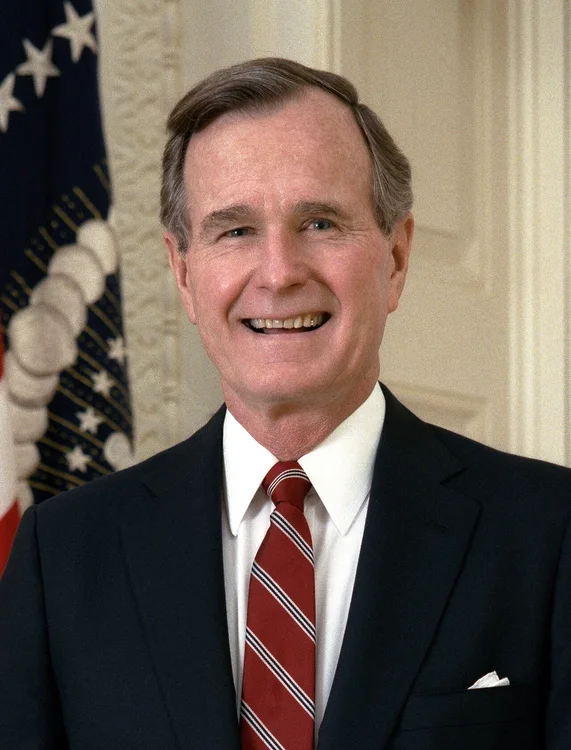 George H. W. Bush Photograph date unknown · 571×750
David Valdez / Wikimedia Commons
Public domain · cropped and resized
See the photo in the archive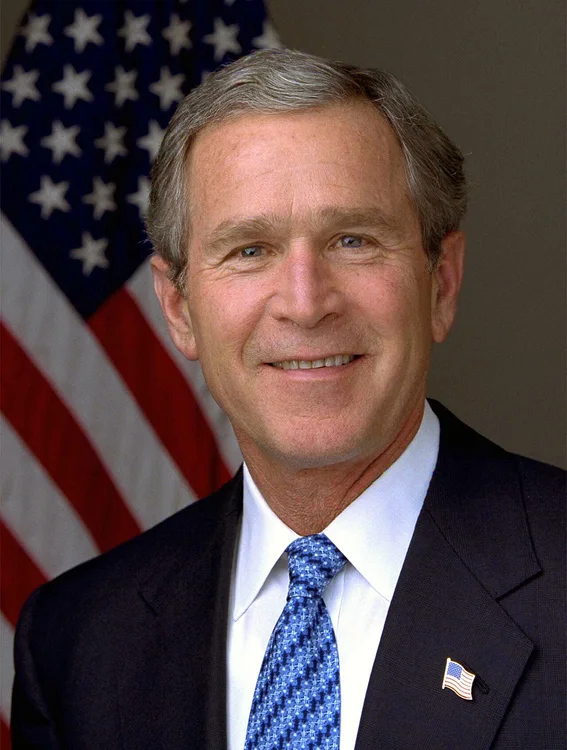 George W. Bush Photograph date unknown · 567×750
Eric Draper / Wikimedia Commons
Public domain · cropped and resized
See the photo in the archive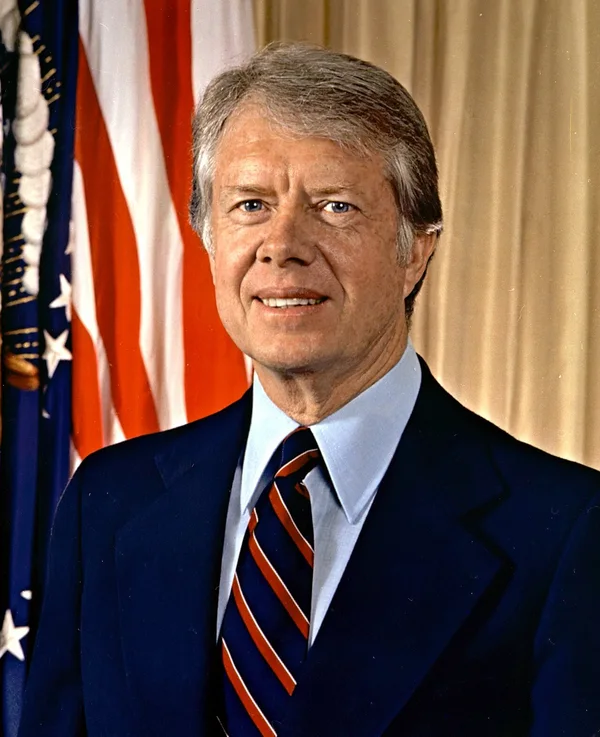 Jimmy Carter Photograph date: 1977 · 600×737
Department of Defense. Department of the Navy. Naval Photographic Center / Wikimedia Commons
Public domain · cropped and resized
See the photo in the archive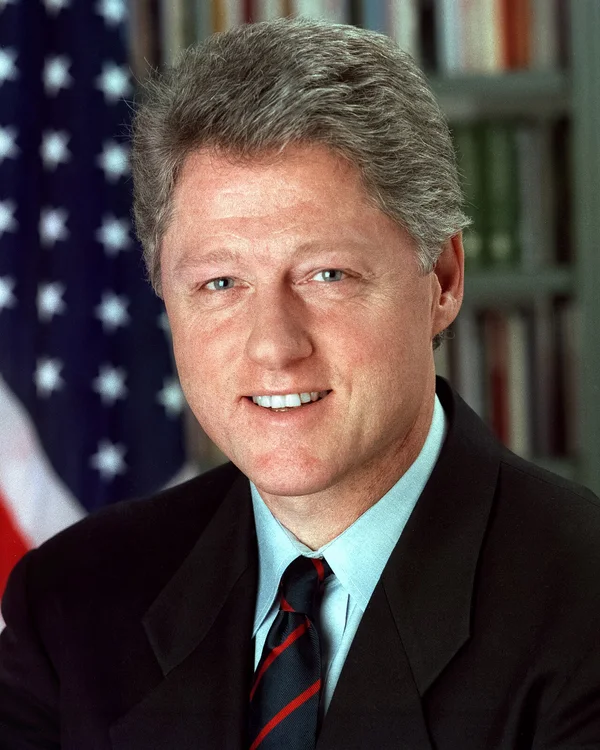 Bill Clinton Photograph date: 1993 · 575×750
Bob McNeely, The White House [ 1 ] / Wikimedia Commons
Public domain · cropped and resized
See the photo in the archive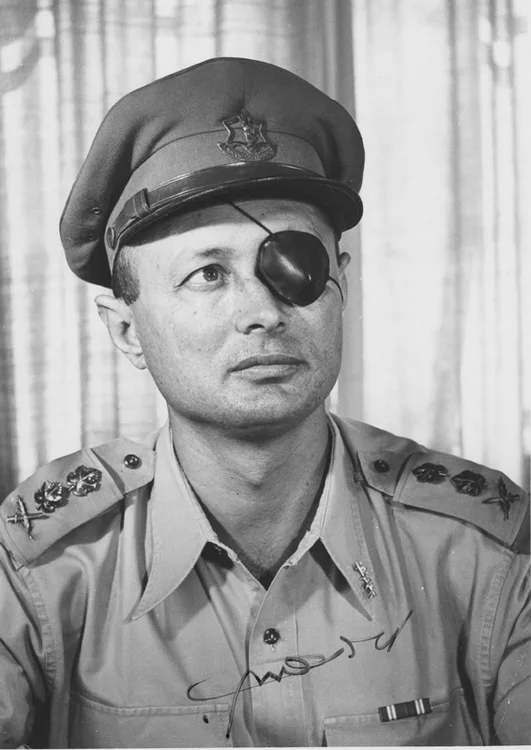 Moshe Dayan Photograph date unknown · 531×750
IDF Spokesperson's Unit photographer / Wikimedia Commons
CC BY-SA 3.0 · cropped and resized
See the photo in the archive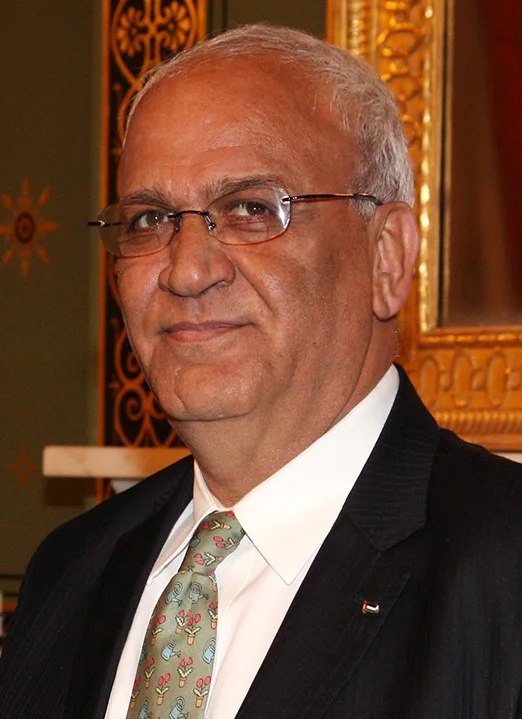 Saeb Erekat Photograph date: 17 December 2014 · 522×719
Foreign and Commonwealth Office / Wikimedia Commons
CC BY 2.0 · cropped and resized
See the photo in the archive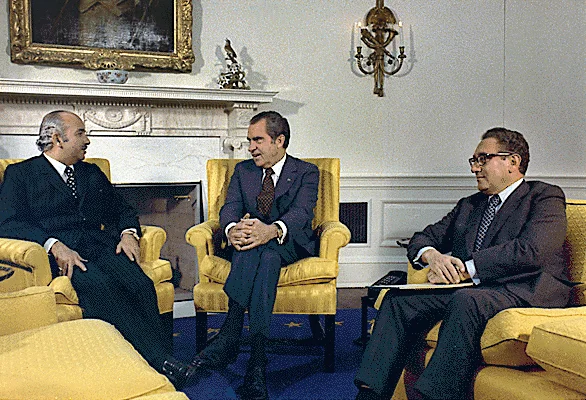 Ismail Fahmy Photograph date: 31 October 1973 · 586×400
Knudsen, Robert L. (Robert LeRoy), 1929–1989, White House Photographer / Wikimedia Commons
Public domain · cropped and resized
See the photo in the archive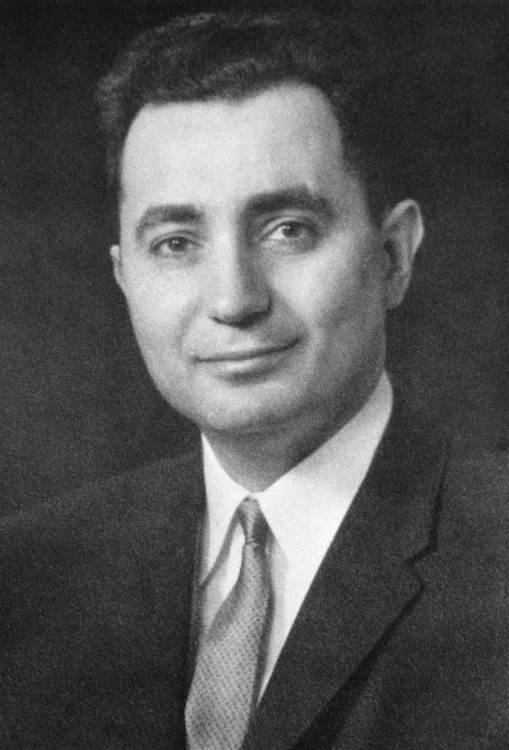 Mordechai Gazit Photograph date unknown · 509×750
Mordechai Gazit memorial site (family archive)
Used with the family's permission · cropped and resized
See the photo in the archive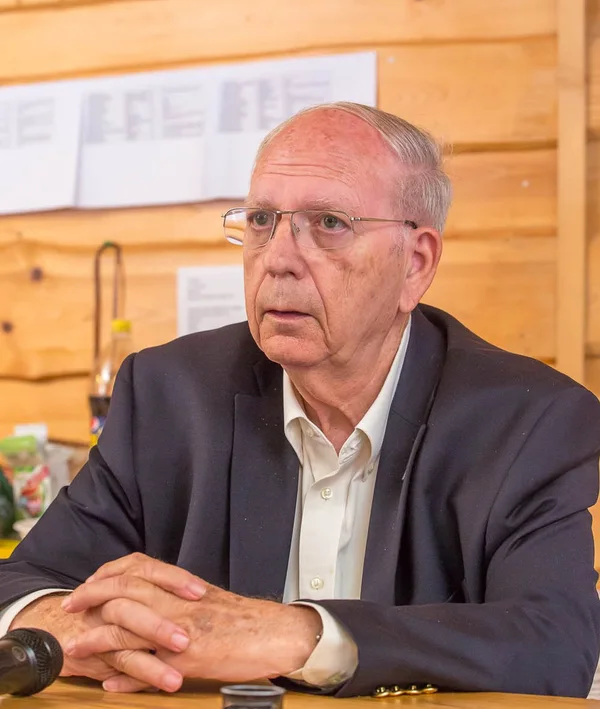 Efraim Halevy Photograph date: 25 August 2014 · 600×709
Eli Itkin / Wikimedia Commons
CC BY-SA 4.0 · cropped and resized
See the photo in the archive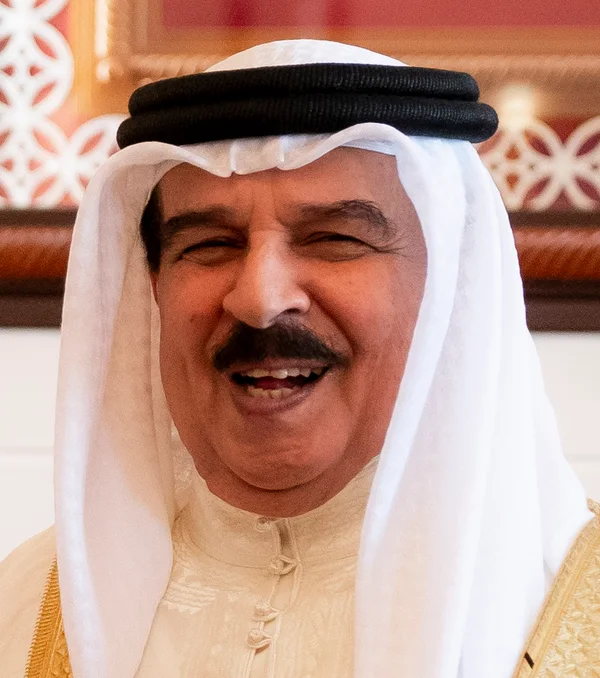 King Hamad bin Isa Al Khalifa Photograph date: 25 May 2025 · 600×678
DHSgov / Wikimedia Commons
Public domain · cropped and resized
See the photo in the archive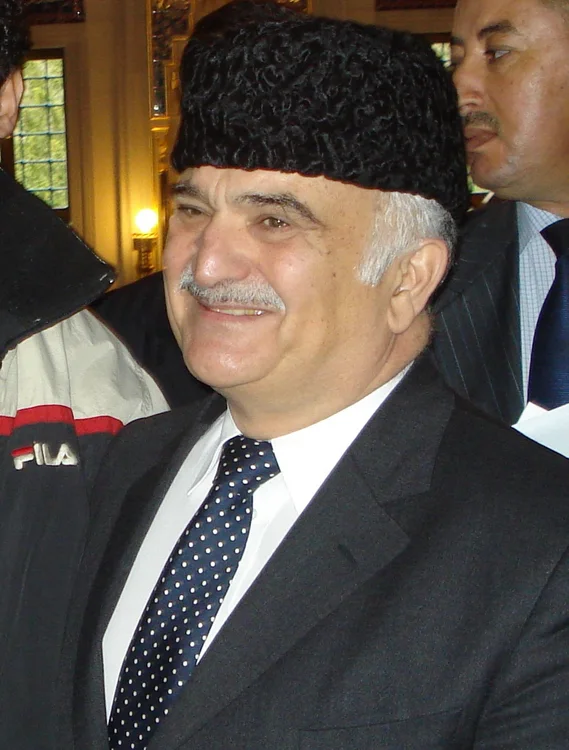 Prince Hassan bin Talal Photograph date: 6 March 2008 · 569×750
Tarawneh / Wikimedia Commons
CC BY-SA 4.0 · cropped and resized
See the photo in the archive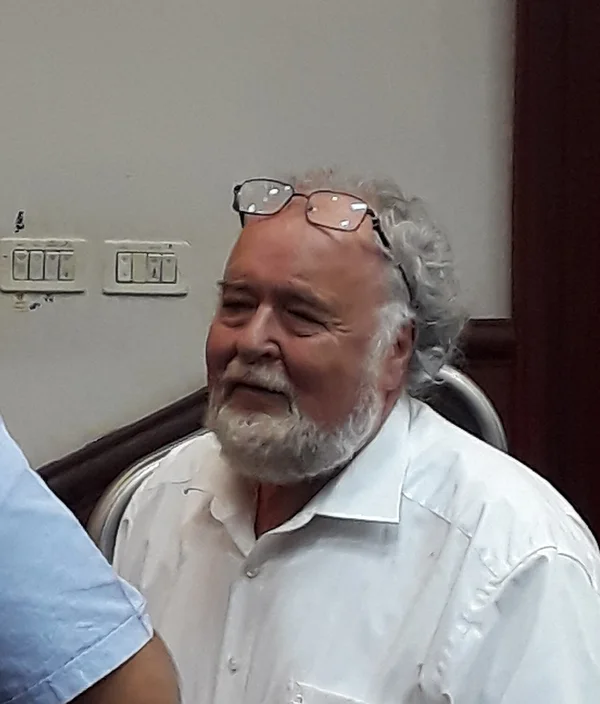 Yair Hirschfeld Photograph date: 3 September 2018 · 600×704
עמירם פאל / Wikimedia Commons
CC BY-SA 4.0 · cropped and resized
See the photo in the archive Amos Hochstein Photograph date unknown · 289×385
U.S. Department of Homeland Security (DHS) / Wikimedia Commons
Public domain · cropped and resized
See the photo in the archive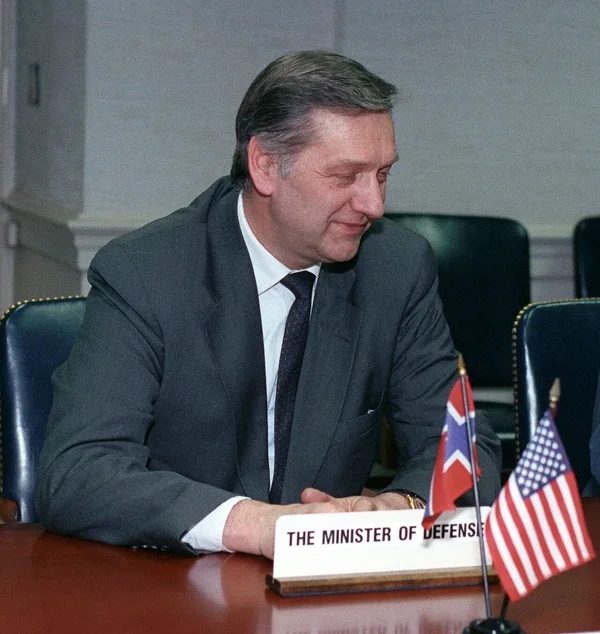 Johan Jørgen Holst Photograph date: 16 March 1993 · 600×634
Helene C. Stikkel / Wikimedia Commons
Public domain · cropped and resized
See the photo in the archive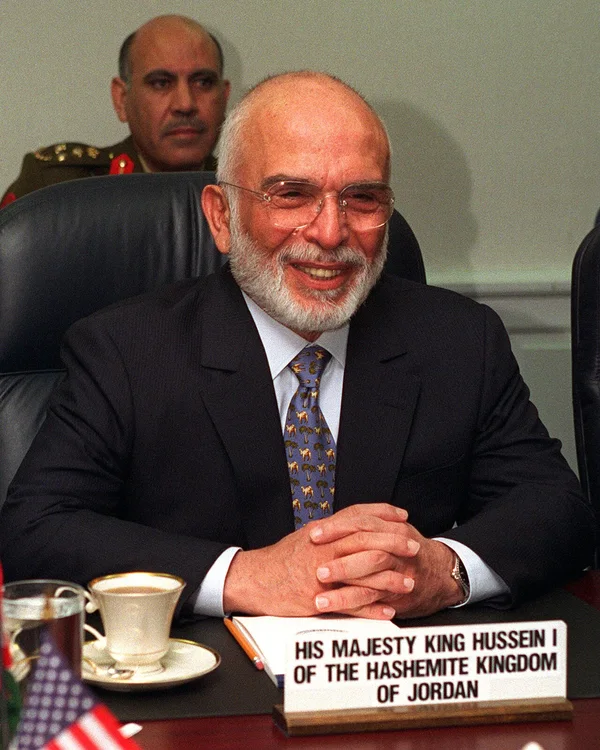 King Hussein of Jordan Photograph date: 2 April 1997 · 550×750
Helene C. Stikkel - First uploader was Wikifreund at de.wikipedia / Wikimedia Commons
Public domain · cropped and resized
See the photo in the archive Mona Juul Photograph date unknown · 600×400
Control Arms / Wikimedia Commons
CC BY 2.0 · cropped and resized
See the photo in the archive John Kerry Photograph date unknown · 516×750
United States Congress / Wikimedia Commons
Public domain · cropped and resized
See the photo in the archive Henry Kissinger Photograph date unknown · 600×738
U.S. Department of State from United States / Wikimedia Commons
Public domain · cropped and resized
See the photo in the archive Yair Lapid Photograph date unknown · 549×750
Avi Ohayon / Wikimedia Commons
CC BY-SA 3.0 · cropped and resized
See the photo in the archive Tzipi Livni Photograph date unknown · 600×600
Tal Givony / Wikimedia Commons
CC BY-SA 3.0 · cropped and resized
See the photo in the archive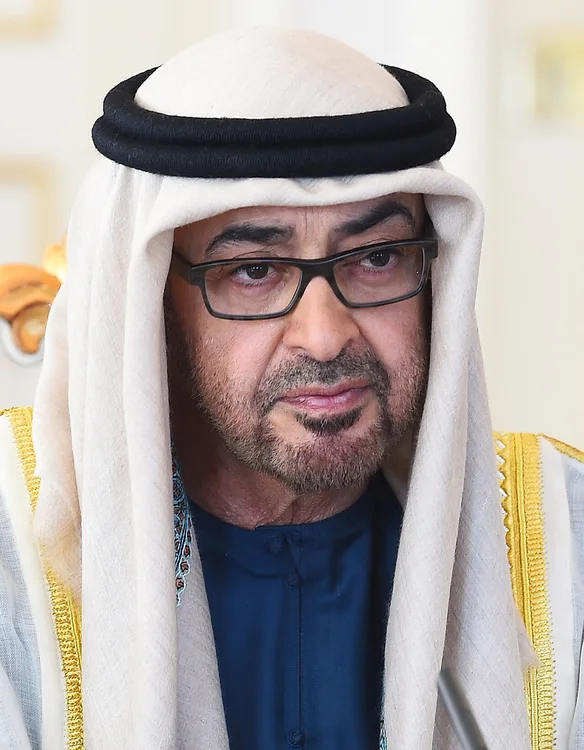 Mohamed bin Zayed Al Nahyan Photograph date: 9 January 2024 · 584×750
Press Service of the President of the Republic of Azerbaijan / Wikimedia Commons
CC BY 4.0 · cropped and resized
See the photo in the archive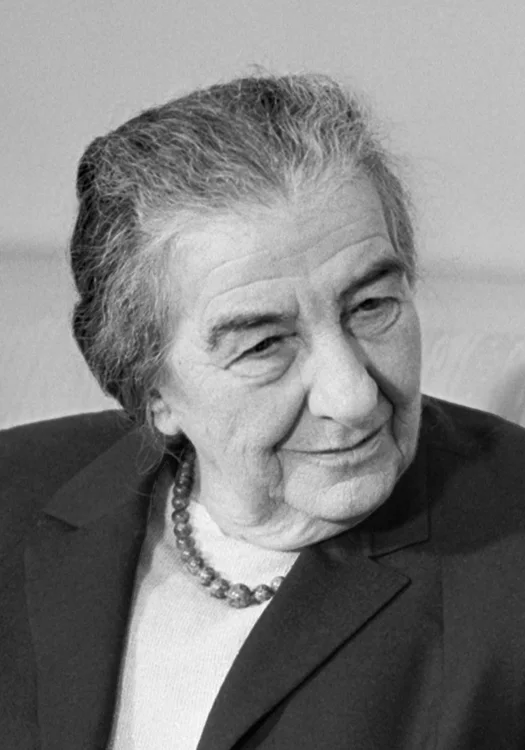 Golda Meir Photograph date: 1 March 1973 · 525×750
Talmoryair ( talk ) after Marion S. Trikosko / Wikimedia Commons
Public domain · cropped and resized
See the photo in the archive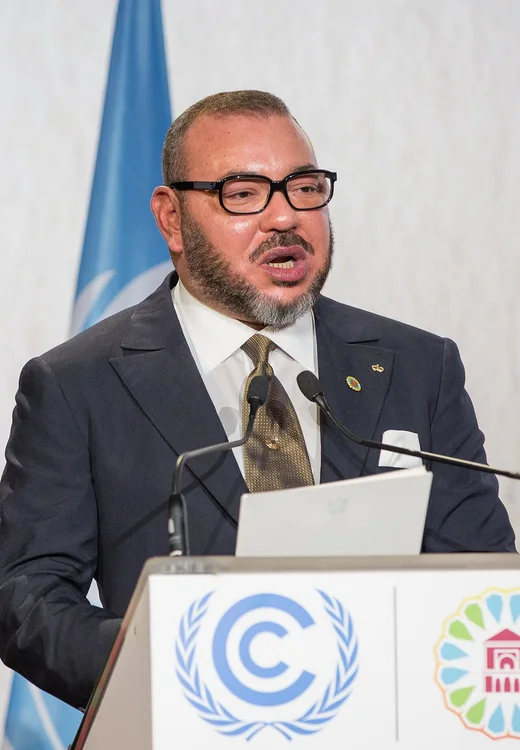 King Mohammed VI of Morocco Photograph date: 15 November 2016 · 520×750
UN Climate Change / Wikimedia Commons
CC BY 2.0 · cropped and resized
See the photo in the archive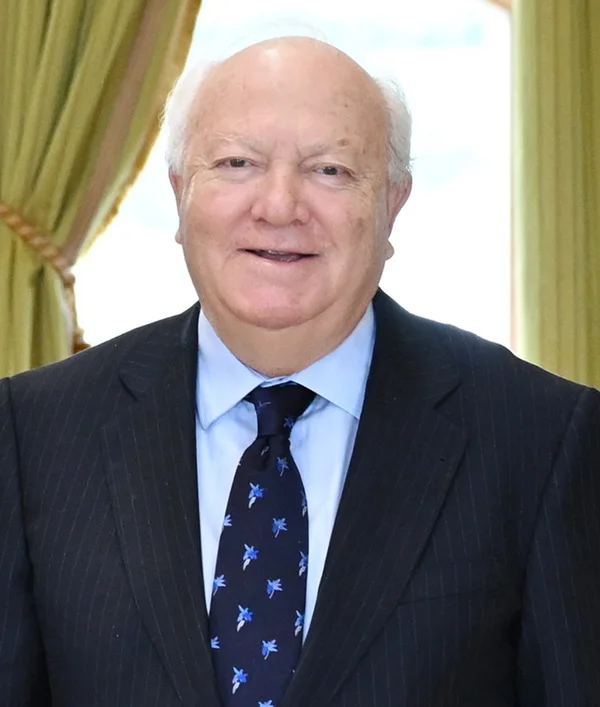 Miguel Moratinos Photograph date: 26 October 2026 · 600×707
Press Service of the President of the Republic of Azerbaijan / Wikimedia Commons
CC BY 4.0 · cropped and resized
See the photo in the archive Amr Moussa Photograph date: 24 January 2013 · 469×750
World Economic Forum / Wikimedia Commons
CC BY-SA 2.0 · cropped and resized
See the photo in the archive Marwan Muasher Photograph date: 5 December 2003 · 499×750
U.S. Department of Defense / Wikimedia Commons
Public domain · cropped and resized
See the photo in the archive Hosni Mubarak Photograph date: 1985 · 392×512
Unknown author Unknown author / Wikimedia Commons
Public domain · cropped and resized
See the photo in the archive Ehud Olmert Photograph date: 4 March 2009 · 533×656
State Department photo by Michael Gross / Wikimedia Commons
Public domain · cropped and resized
See the photo in the archive Shimon Peres Photograph date: 2 May 1996 · 500×750
Avi Ohayon / Wikimedia Commons
CC BY-SA 3.0 · cropped and resized
See the photo in the archive Ron Pundak Photograph date unknown · 487×750
Boris Carmi / Wikimedia Commons
CC BY 4.0 · cropped and resized
See the photo in the archive Ahmed Qurei (Abu Ala) Photograph date: 26 January 2015 · 400×377
Sabreen mohsen / Wikimedia Commons
CC BY-SA 4.0 · cropped and resized
See the photo in the archive Terje Rød-Larsen Photograph date unknown · 500×750
International Peace Institute / Wikimedia Commons
CC0 · cropped and resized
See the photo in the archive Elyakim Rubinstein Photograph date unknown · 500×750
Spokesman's Office of The judiciary of Israel / Wikimedia Commons
CC BY-SA 4.0 · cropped and resized
See the photo in the archive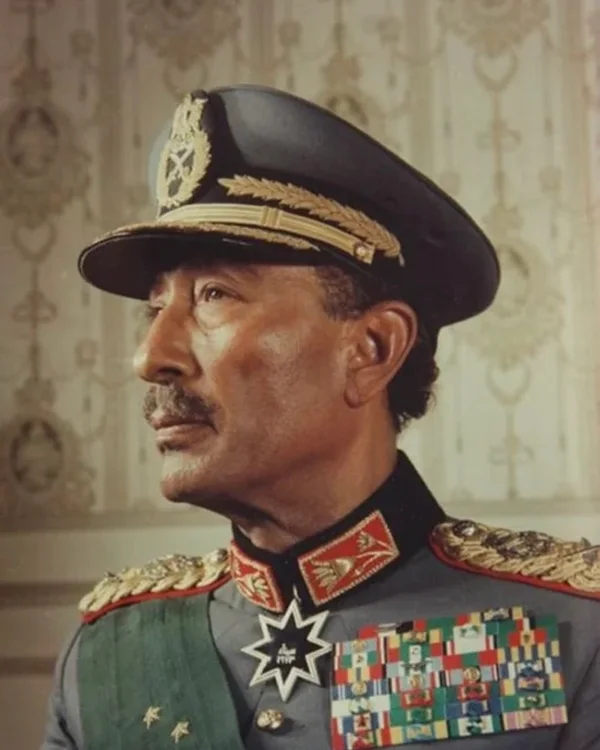 Anwar Sadat Photograph date: 1980 · 531×750
Press / Wikimedia Commons
Public domain · cropped and resized
See the photo in the archive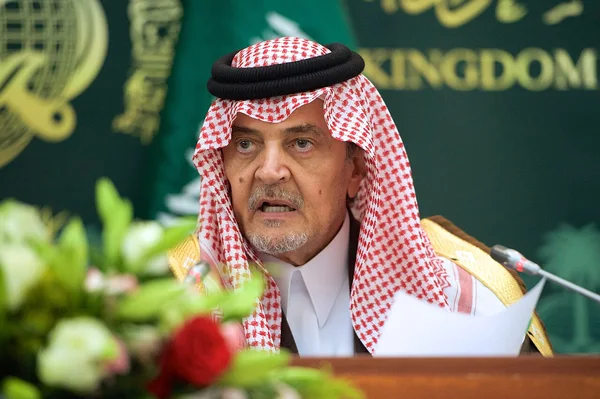 Prince Saud al-Faisal Photograph date: 5 March 2015 · 600×399
United States government work / Wikimedia Commons
Public domain · cropped and resized
See the photo in the archive Uri Savir Photograph date: 20 January 1986 · 251×518
Fotograaf Onbekend / Anefo / Wikimedia Commons
CC BY-SA 3.0 nl · cropped and resized
See the photo in the archive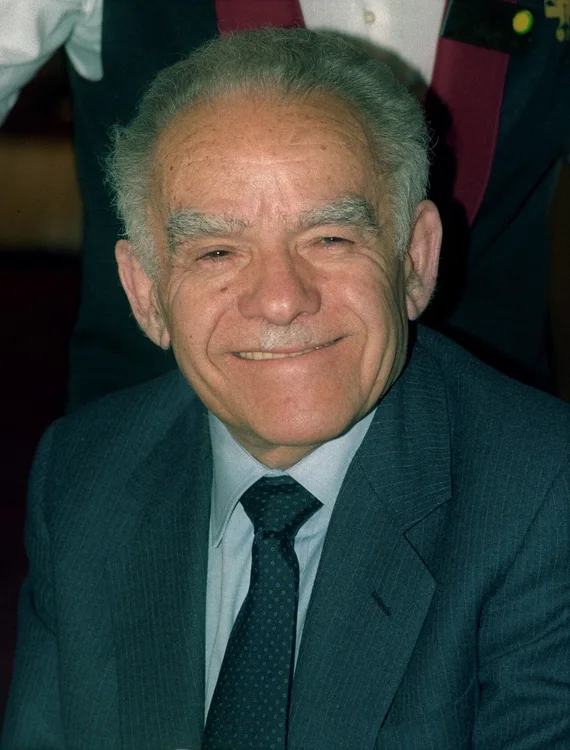 Yitzhak Shamir Photograph date unknown · 570×750
Yolene Haik (יולנה חייק) / Wikimedia Commons
CC BY 4.0 · cropped and resized
See the photo in the archive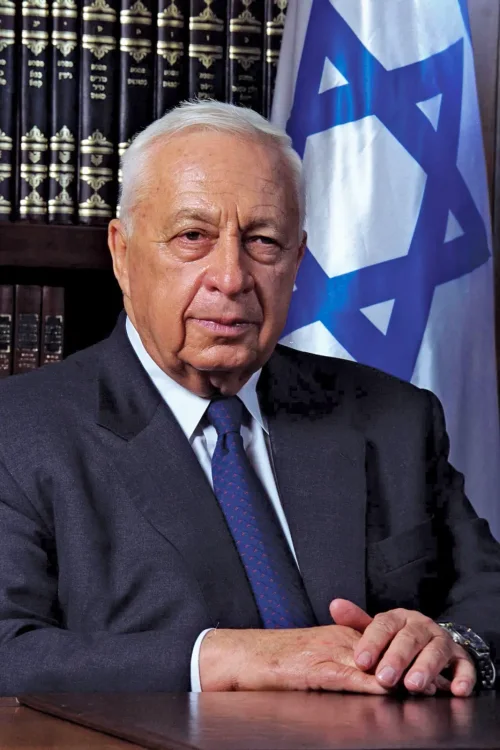 Ariel Sharon Photograph date: 8 March 2001 · 500×750
Avi Ohayon / Wikimedia Commons
CC BY-SA 3.0 · cropped and resized
See the photo in the archive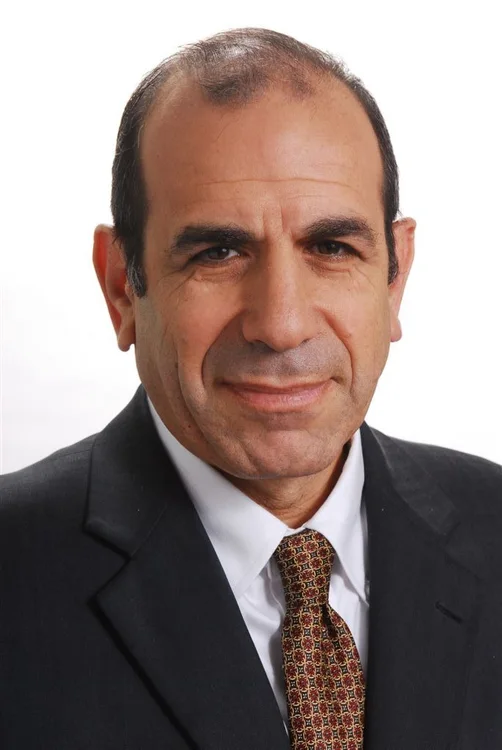 Gilead Sher Photograph date unknown · 502×750
Gili Sher / Wikimedia Commons
CC BY-SA 3.0 · cropped and resized
See the photo in the archive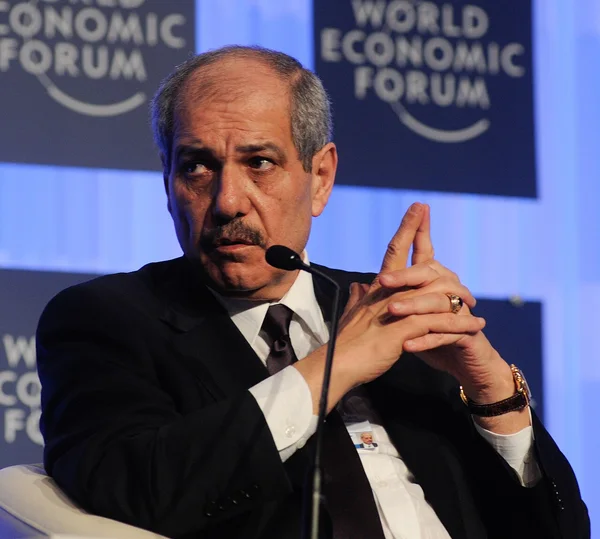 Fayez Tarawneh Photograph date unknown · 600×539
World Economic Forum from Cologny, Switzerland / Wikimedia Commons
CC BY-SA 2.0 · cropped and resized
See the photo in the archive Donald Trump Photograph date: 2 June 2025 · 562×750
Daniel Torok / Wikimedia Commons
Public domain · cropped and resized
See the photo in the archive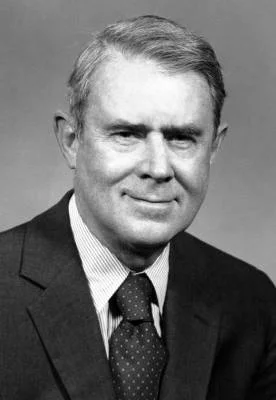 Cyrus Vance Photograph date unknown · 276×400
Unknown author / Wikimedia Commons
Public domain · cropped and resized
See the photo in the archive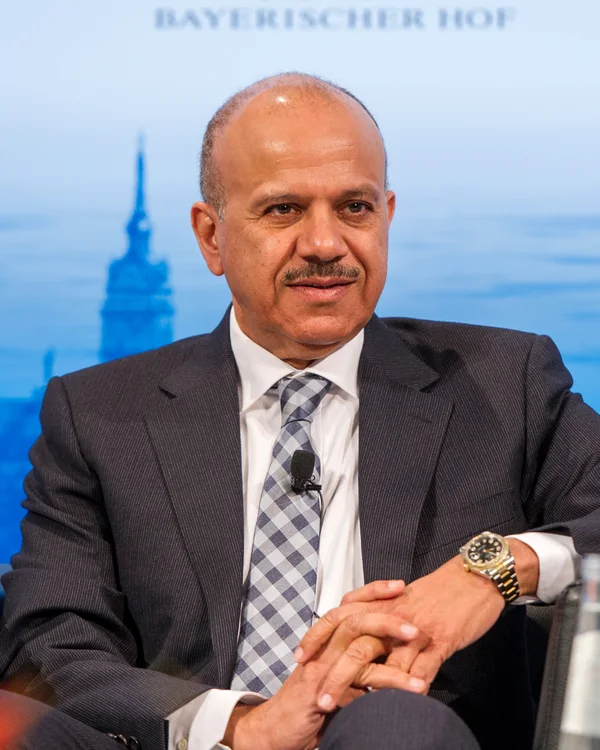 Abdullatif Al Zayani Photograph date: 2 February 2014 · 553×750
Marc Müller / Wikimedia Commons
CC BY 3.0 de · cropped and resized
See the photo in the archive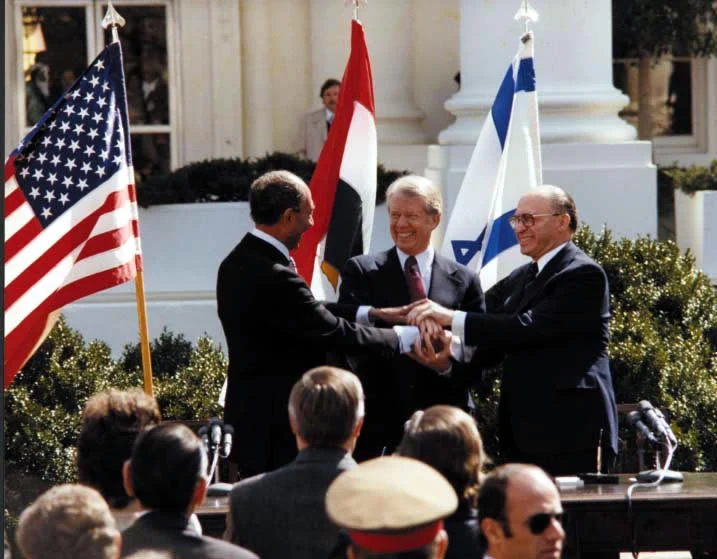 Sadat, Carter and Begin at the peace treaty signing, 26 March 1979 Photograph date: 26 March 1979 · 717×559
Jimmy Carter Library / CIA archival release
Public domain — U.S. government photograph; source file contains provenance
See the photo in the archive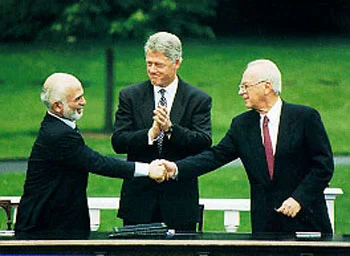 Hussein, Clinton and Rabin in Washington, 25 July 1994, ahead of the October peace treaty Photograph date: 25 July 1994 · 350×256
White House
Public domain in the United States — U.S. government photograph
See the photo in the archive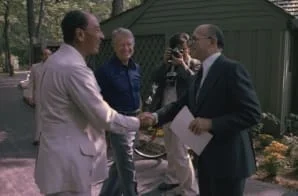 Sadat and Begin shake hands at Camp David while Jimmy and Rosalynn Carter look on Photograph date: 7 September 1978 · 298×196
White House Staff Photographers / Jimmy Carter Library, National Archives (NAID 181104)
Public Domain, Free of Known Copyright Restrictions
See the photo in the archive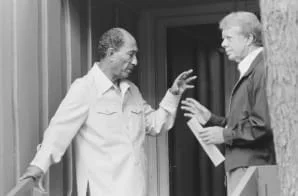 President Carter and President Sadat at Camp David Photograph date: 17 September 1978 · 298×196
White House Staff Photographers / Jimmy Carter Library, National Archives (NAID 181329)
Public Domain, Free of Known Copyright Restrictions
See the photo in the archive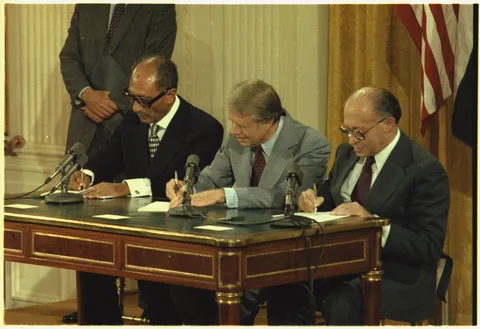 Sadat, Carter and Begin at the Camp David Accords signing ceremony in the East Room of the White House Photograph date: 17 September 1978 · 1600×1096
White House Staff Photographers Collection / Jimmy Carter Library, National Archives (NAID 181392)
Public Domain, Free of Known Copyright Restrictions
See the photo in the archive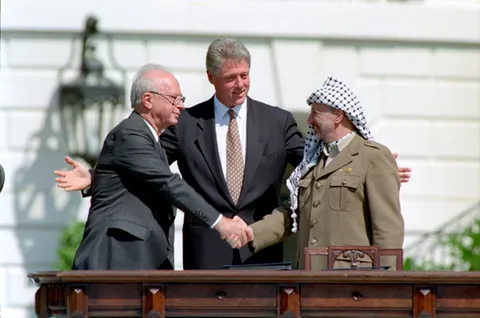 President Clinton stands between Yitzhak Rabin and Yasser Arafat as they shake hands on the White House South Lawn, 13 September 1993 Photograph date: 13 September 1993 · 1024×678
Vince Musi / The White House – William J. Clinton Presidential Library, National Archives (NAID 1985480)
Public Domain, Free of Known Copyright Restrictions
See the photo in the archive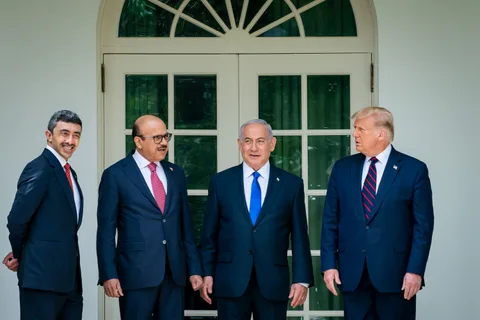 Trump walks along the White House Colonnade with Al Zayani, Netanyahu and Abdullah bin Zayed on the way to the signing ceremony Photograph date: 15 September 2020 · 1600×1067
Official White House Photo by Tia Dufour
Public Domain
See the photo in the archive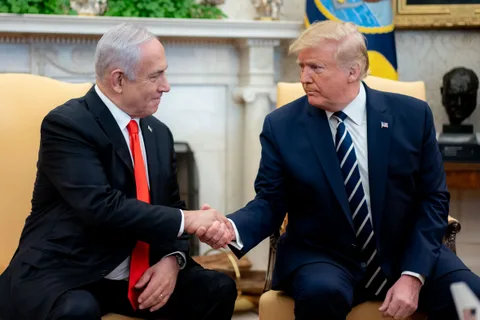 Netanyahu in a meeting with President Trump and Vice President Pence in the Oval Office Photograph date: 27 January 2020 · 1600×1067
Official White House Photo by D. Myles Cullen
Public Domain
See the photo in the archive Trump and Netanyahu at the East Room presentation of the US plan, January 2020 – a proposal, not an agreement Photograph date: 28 January 2020 · 1600×1067
Official White House Photo by Shealah Craighead
Public Domain
See the photo in the archive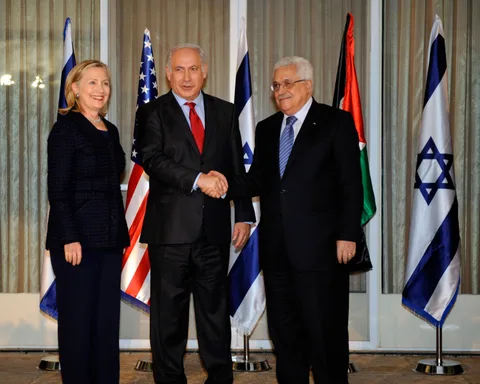 Netanyahu and Abbas shake hands at the Prime Minister's Residence in Jerusalem as Secretary of State Hillary Clinton looks on, September 2010 Photograph date: 15 September 2010 · 1600×1280
State Department photo / Public Domain
United States government work; caption: [State Department photo/ Public Domain]
See the photo in the archive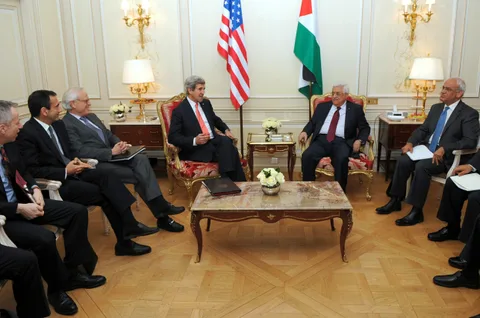 Mahmoud Abbas seated with John Kerry before a meeting in Paris, February 2014 Photograph date: 19 February 2014 · 1600×1062
State Department photo / Public Domain
United States government work; caption: [State Department photo/ Public Domain]
See the photo in the archive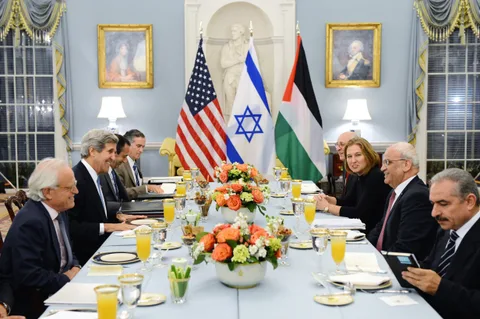 Tzipi Livni and Saeb Erekat with John Kerry at the State Department at the start of the 2013 talks Photograph date: 29 July 2013 · 1600×1065
State Department photo / Public Domain
United States government work; caption: [State Department photo/ Public Domain]
See the photo in the archive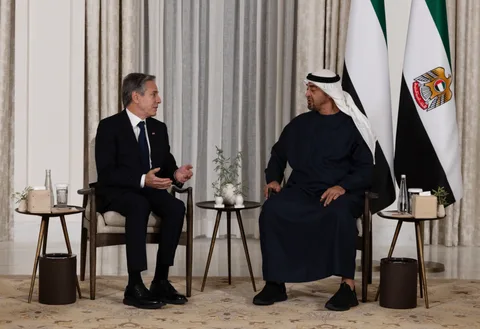 Sheikh Mohamed bin Zayed with Secretary of State Antony Blinken in Abu Dhabi, October 2023 Photograph date: 14 October 2023 · 1600×1096
State Department photo by Chuck Kennedy / Public Domain
United States government work; caption: [State Department photo/ Public Domain]
See the photo in the archive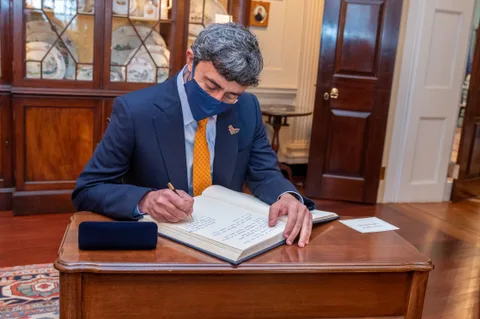 Abdullah bin Zayed signing the guestbook at the State Department, October 2021 Photograph date: 13 October 2021 · 1600×1067
State Department photo by Ron Przysucha / Public Domain
United States government work; caption: [State Department photo/ Public Domain]
See the photo in the archive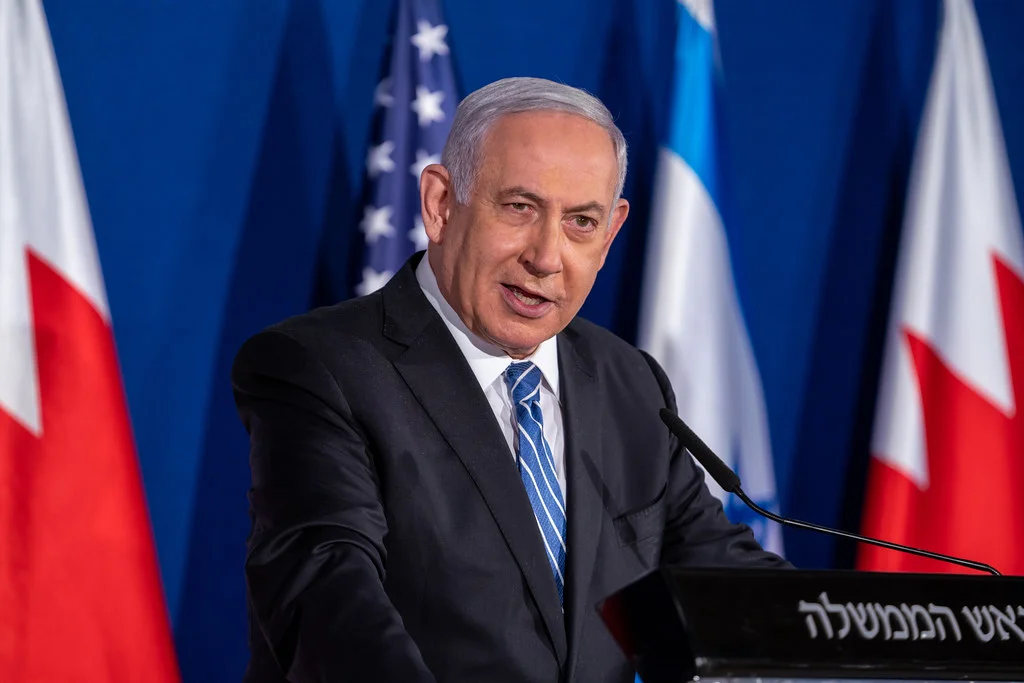 Benjamin Netanyahu during joint remarks with Pompeo and Al Zayani in Jerusalem, November 2020 Photograph date: 18 November 2020 · 1024×683
State Department Photo by Ron Przysucha / Public Domain
United States government work; caption: [State Department photo/ Public Domain]
See the photo in the archive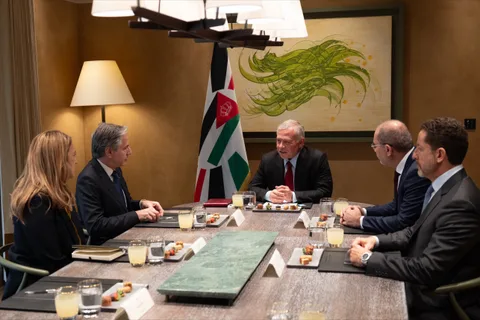 King Abdullah II meeting Secretary of State Antony Blinken in Aqaba, December 2024 Photograph date: 12 December 2024 · 1600×1067
Official State Department photo by Chuck Kennedy
United States government work (the caption carries no "Public Domain" tag)
See the photo in the archive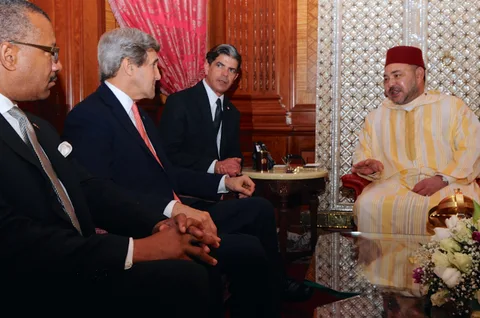 King Mohammed VI greeting John Kerry in Casablanca, April 2014 Photograph date: 4 April 2014 · 1600×1062
State Department photo / Public Domain
United States government work; caption: [State Department photo/ Public Domain]
See the photo in the archive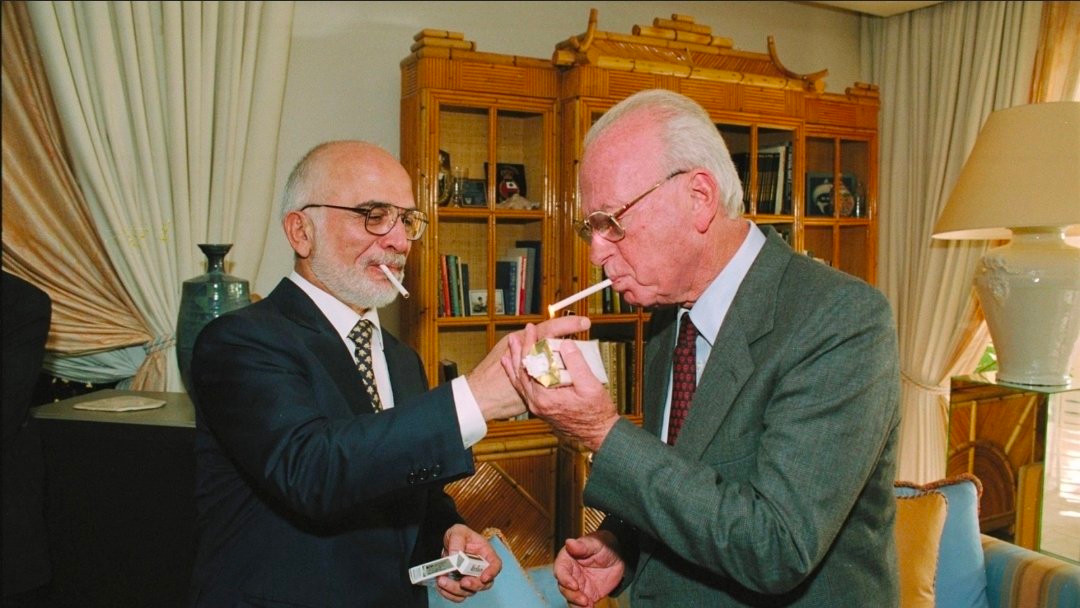 King Hussein lights Yitzhak Rabin’s cigarette at the royal residence in Aqaba, 26 October 1994, after the signing of the Israel–Jordan peace treaty. Photograph date: 26 October 1994 · 1080×608
Yaakov Saar / Government Press Office (Israel), National Photo Collection, D728-143
CC BY-SA 3.0 · cropped and resized
See the photo in the archive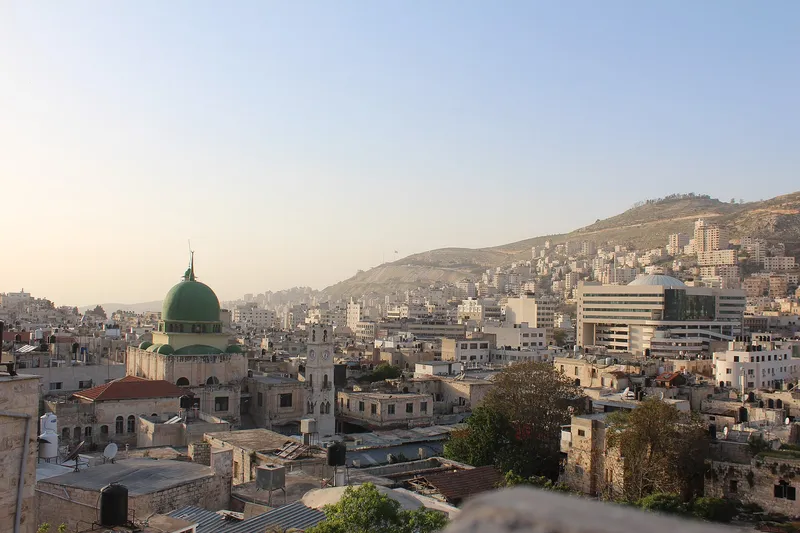 Nablus Photograph date: 5 April 2017 · 1600×1067
Hadi Hijjawi / Wikimedia Commons
CC BY-SA 4.0 · cropped and resized
See the photo in the archive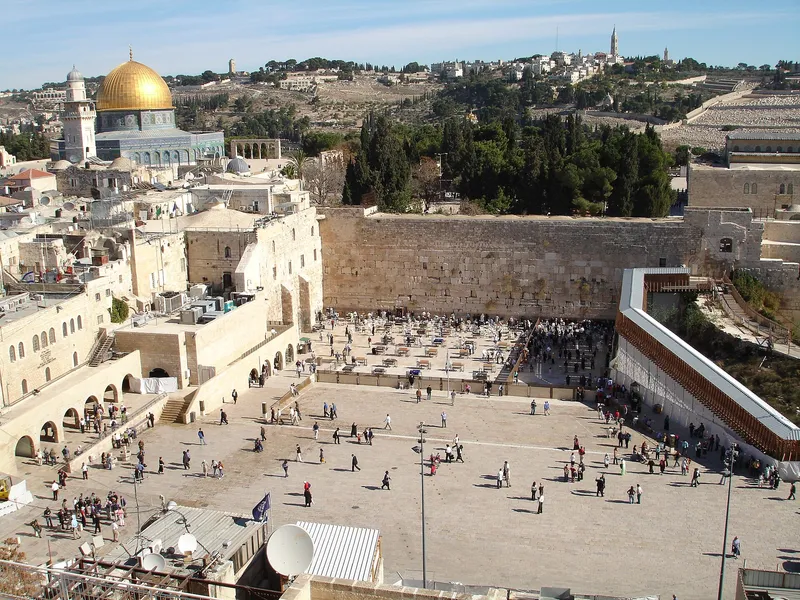 Western Wall Photograph date: 18 November 2005 · 1600×1200
Golasso / Wikimedia Commons
CC BY-SA 4.0 · cropped and resized
See the photo in the archive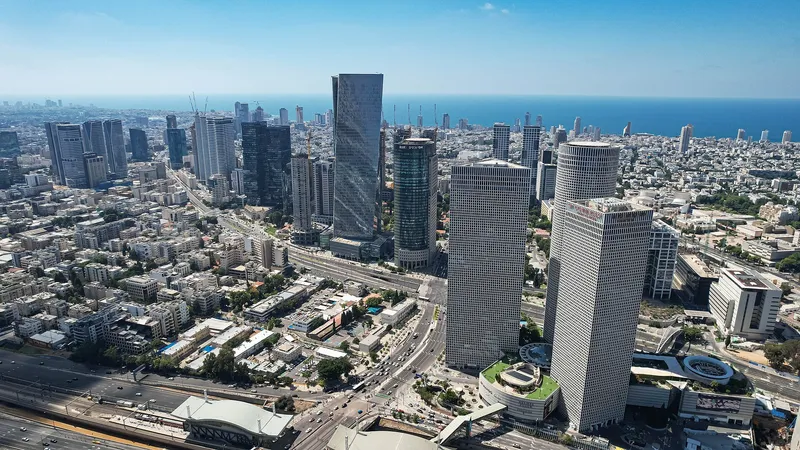 Tel Aviv Photograph date: 24 September 2023 · 1600×900
Ynhockey / Wikimedia Commons
CC BY-SA 4.0 · cropped and resized
See the photo in the archive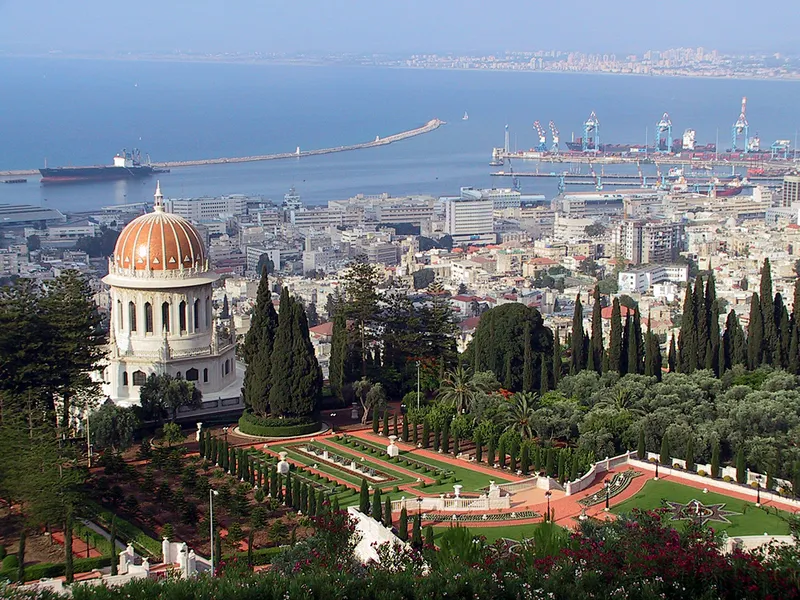 Haifa Photograph date: 2003 · 1000×750
Michael Paul Gollmer de:Benutzer:Mipago / Wikimedia Commons
CC BY-SA 3.0 · cropped and resized
See the photo in the archive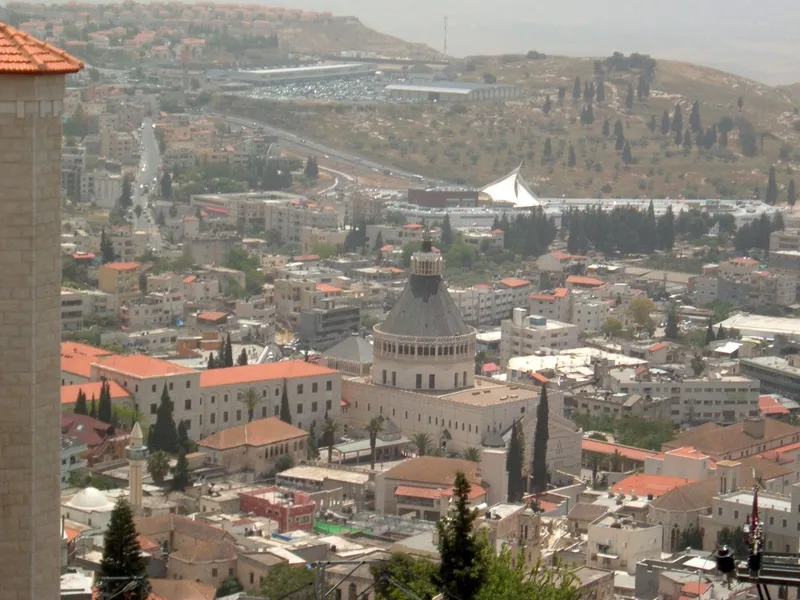 Nazareth Photograph date: 15 May 2009 · 1600×1200
Almog / Wikimedia Commons
Public domain · cropped and resized
See the photo in the archive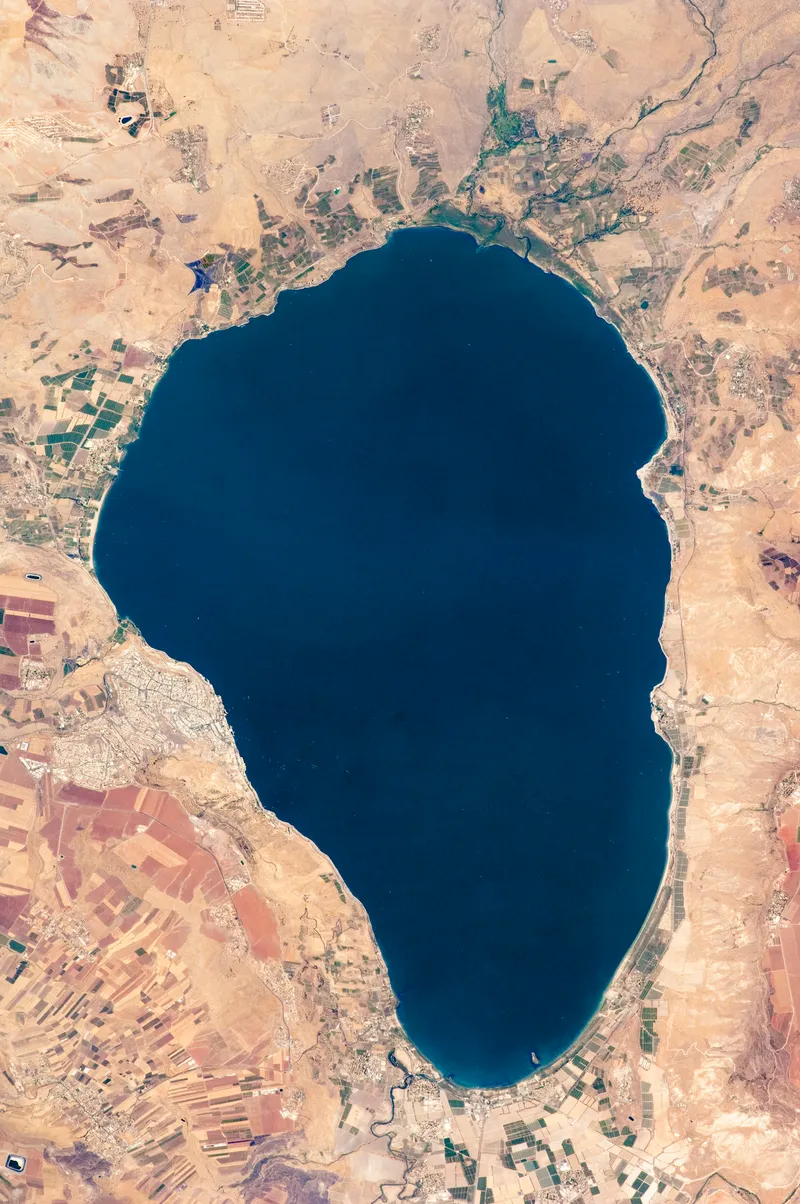 Sea of Galilee Photograph date: 14 September 2009 · 1440×2168
This image was taken by the NASA Expedition 20 crew. / Wikimedia Commons
Public domain · cropped and resized
See the photo in the archive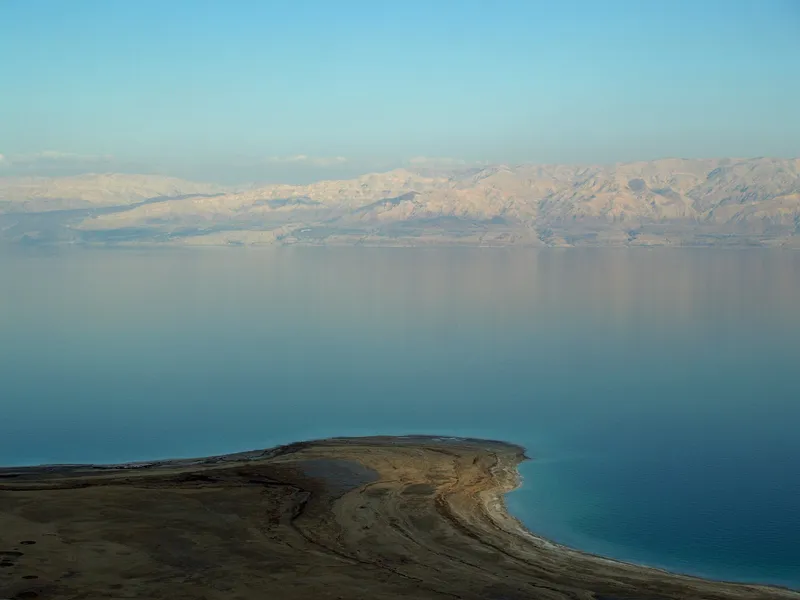 Dead Sea Photograph date: December 2007 · 1600×1200
David Shankbone / Wikimedia Commons
CC BY-SA 3.0 · cropped and resized
See the photo in the archive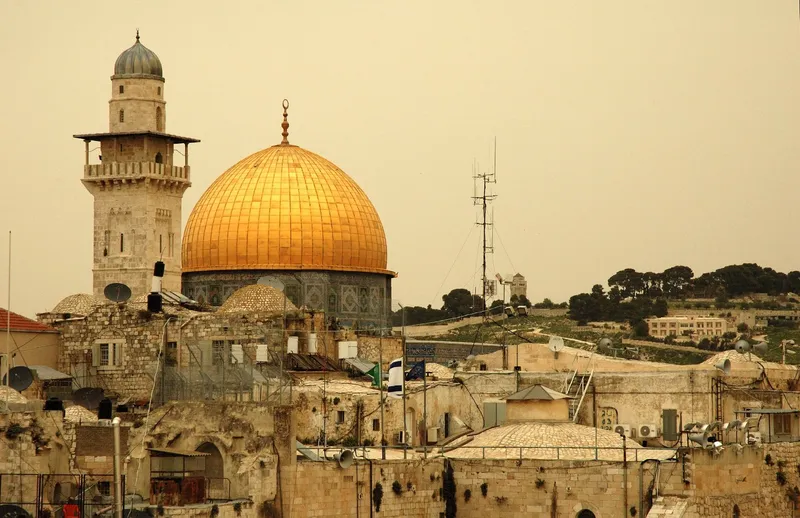 The Old City Photograph date: 2005 · 1600×1036
Peter Mulligan / Wikimedia Commons
CC BY 2.0 · cropped and resized
See the photo in the archive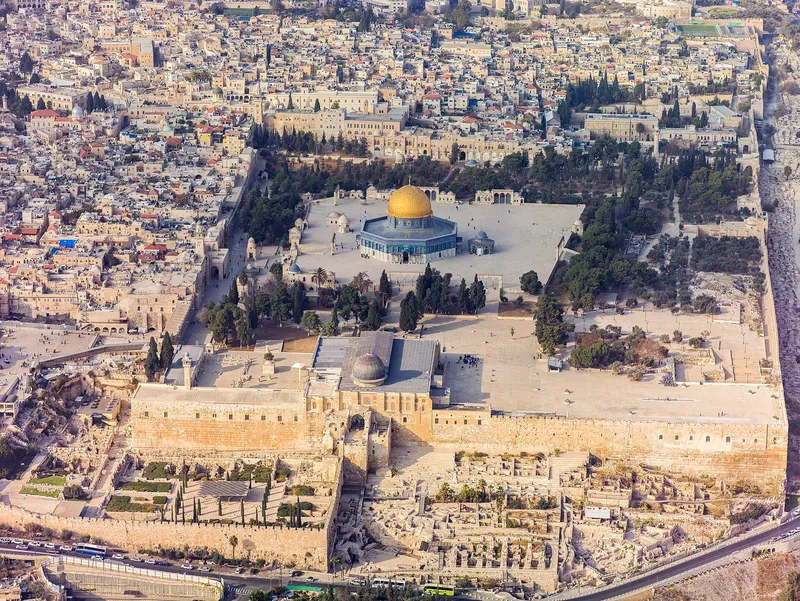 Temple Mount / Al-Aqsa compound (Haram al-Sharif) Photograph date: 15 November 2013 · 1600×1202
Godot13 / Wikimedia Commons
CC BY-SA 4.0 · cropped and resized
See the photo in the archive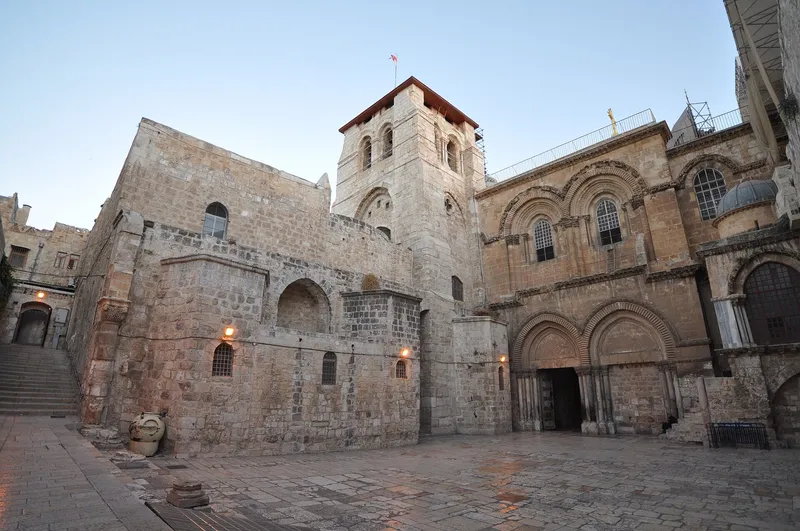 Church of the Holy Sepulchre Photograph date: 5 September 2012 · 1600×1063
https://www.flickr.com/photos/jlascar/ / Wikimedia Commons
CC BY 2.0 · cropped and resized
See the photo in the archive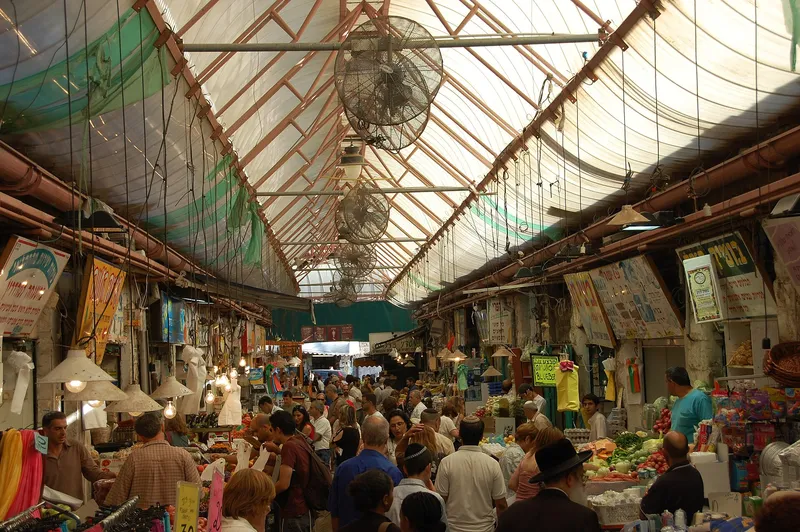 Mahane Yehuda Market Photograph date: 12 June 2007 · 1600×1064
Sir kiss / Wikimedia Commons
Public domain · cropped and resized
See the photo in the archive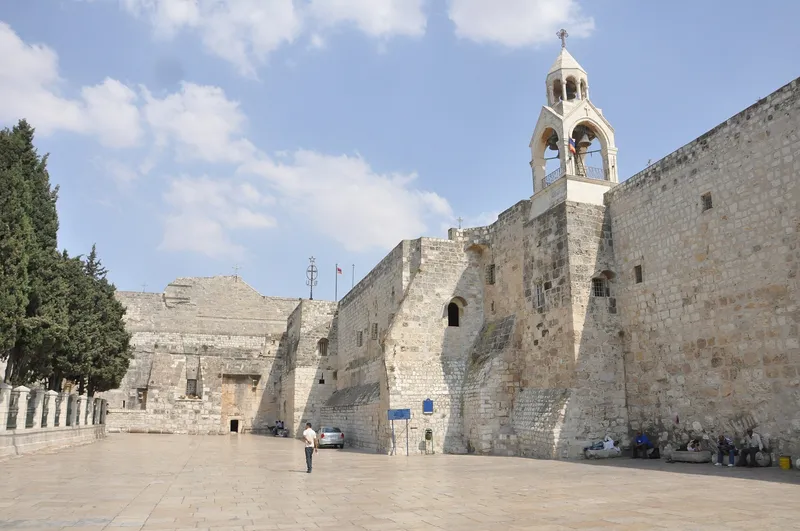 Church of the Nativity, Bethlehem Photograph date unknown · 1600×1063
Neil Ward / Wikimedia Commons
CC BY 2.0 · cropped and resized
See the photo in the archive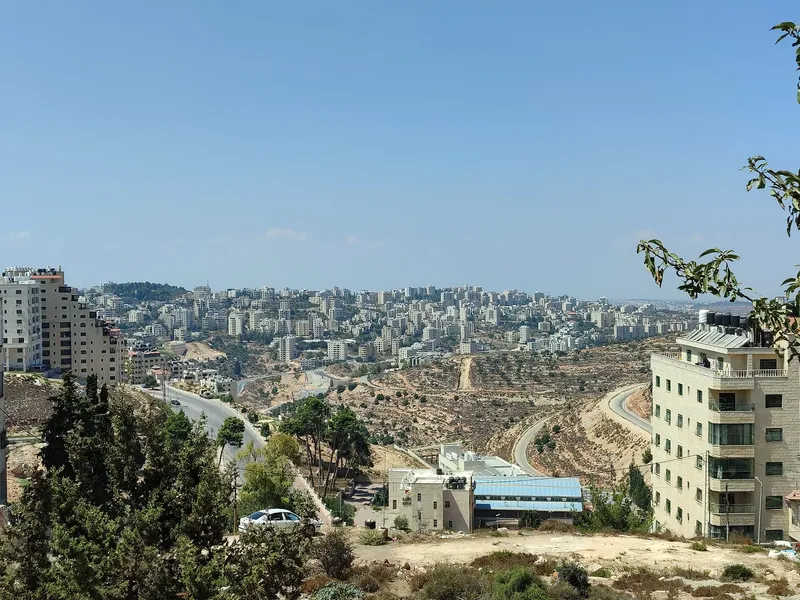 Ramallah Photograph date: 8 September 2024 · 1600×1200
أمين / Wikimedia Commons
CC BY-SA 4.0 · cropped and resized
See the photo in the archive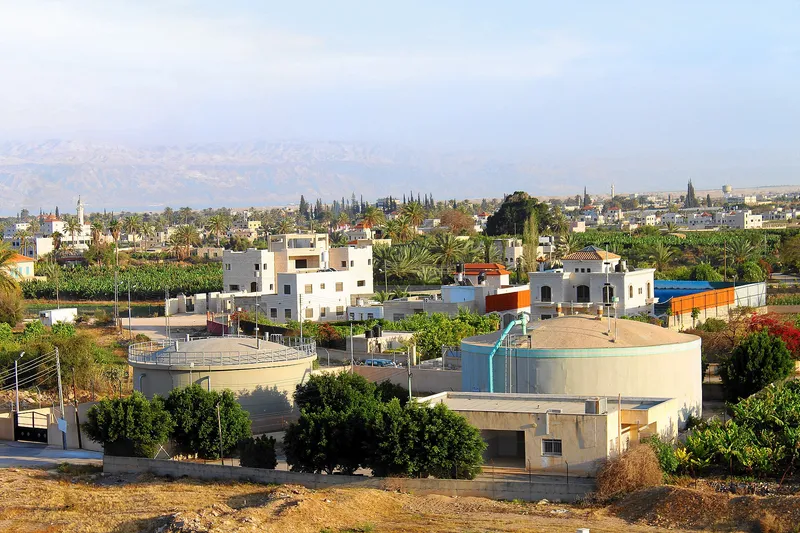 Jericho Photograph date unknown · 1600×1067
Janusz J. / Wikimedia Commons
CC BY-SA 3.0 · cropped and resized
See the photo in the archive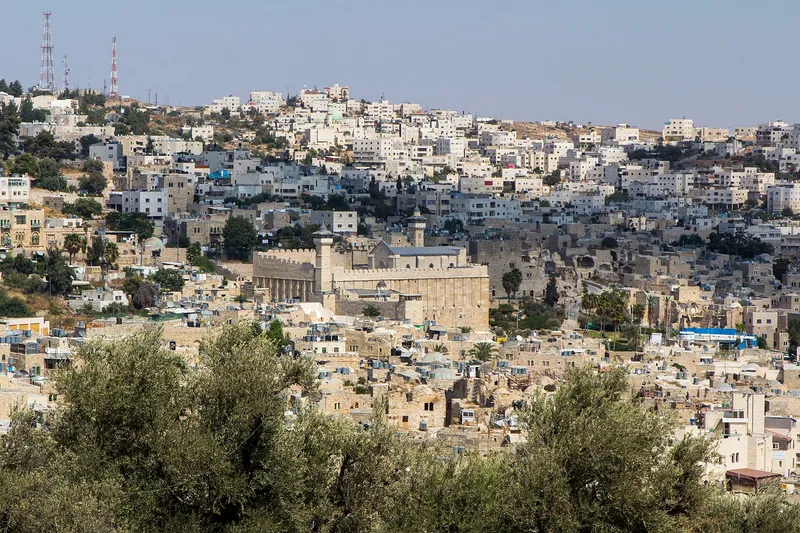 Hebron Photograph date: 28 August 2015 · 1600×1067
Oren Rozen / Wikimedia Commons
CC BY-SA 4.0 · cropped and resized
See the photo in the archive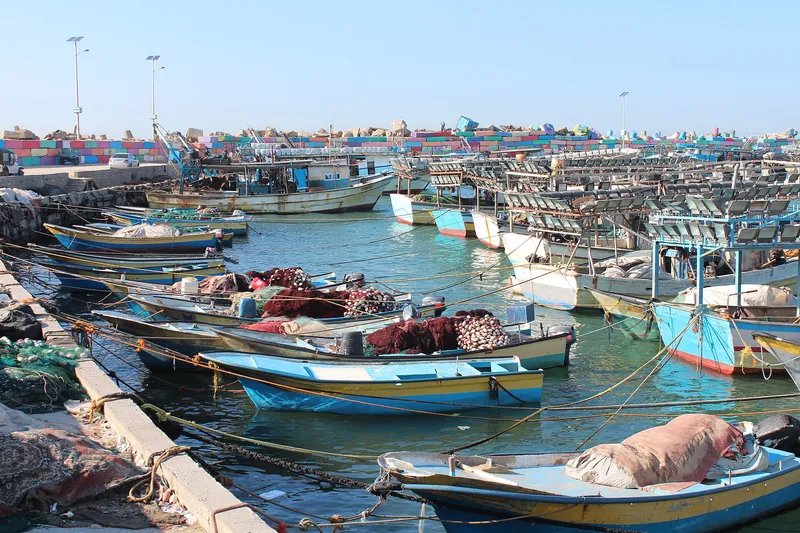 Port of Gaza Photograph date: 5 March 2015 · 1600×1067
Mahmoud Navash / Wikimedia Commons
CC BY-SA 4.0 · cropped and resized
See the photo in the archive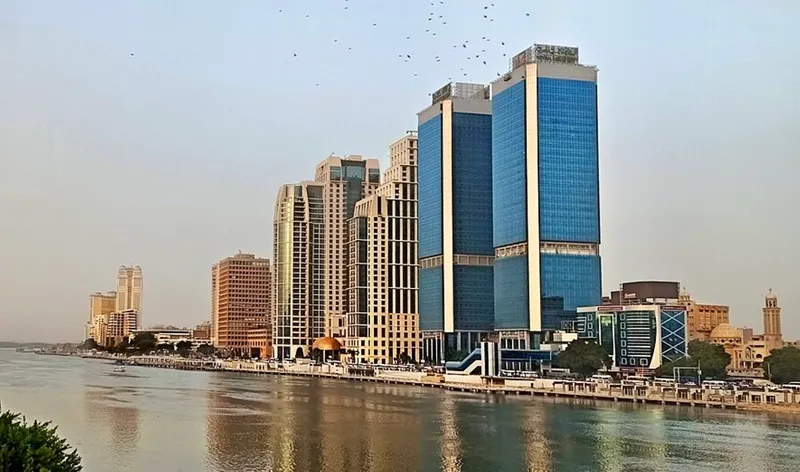 Cairo Photograph date: 27 December 2025 · 1150×678
Faris El-Gwely / Wikimedia Commons
CC BY 4.0 · cropped and resized
See the photo in the archive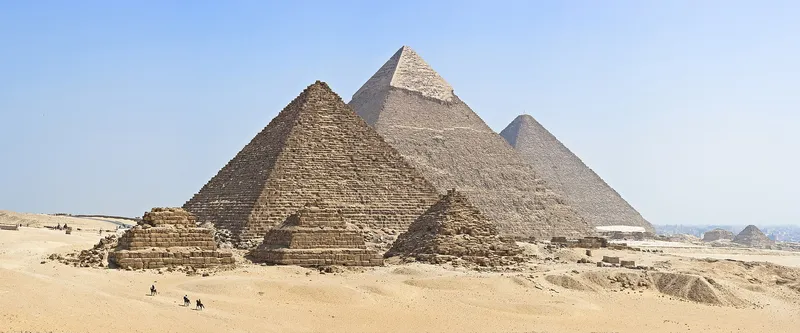 Pyramids of Giza Photograph date: 31 July 2009 · 1600×667
KennyOMG / Wikimedia Commons
CC BY-SA 4.0 · cropped and resized
See the photo in the archive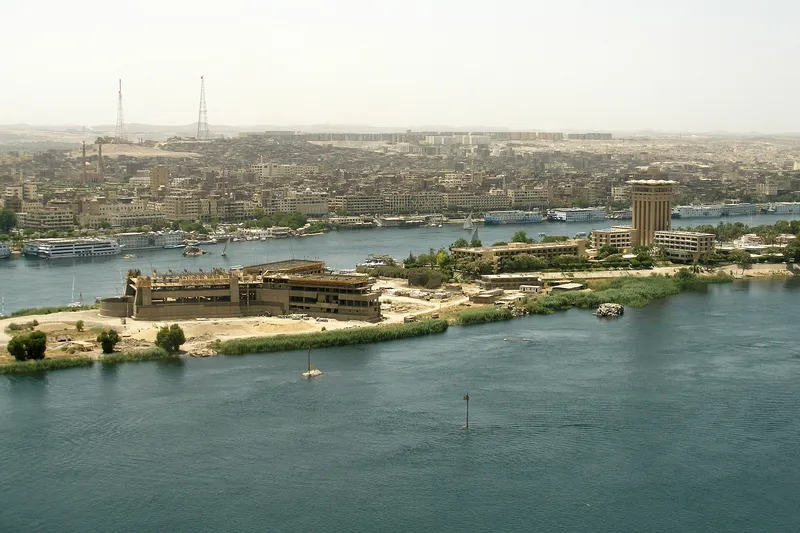 Aswan Photograph date: 25 May 2007 · 1600×1067
Vyacheslav Argenberg / Wikimedia Commons
CC BY 4.0 · cropped and resized
See the photo in the archive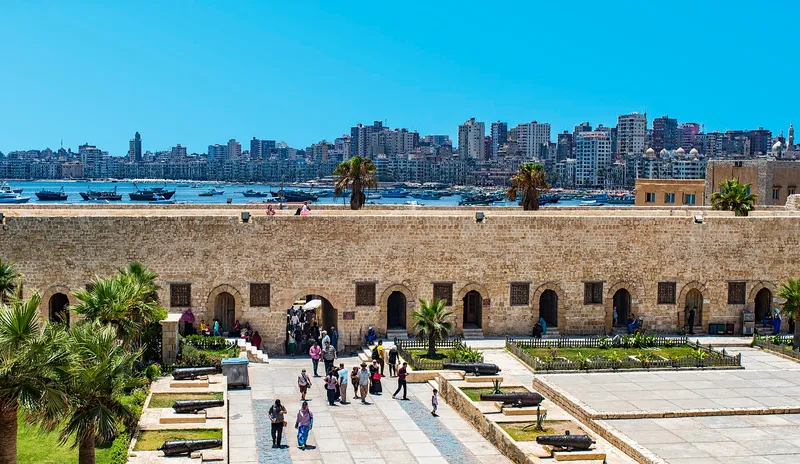 Alexandria Photograph date: 1 July 2017 · 1600×928
ASaber91 / Wikimedia Commons
CC BY-SA 4.0 · cropped and resized
See the photo in the archive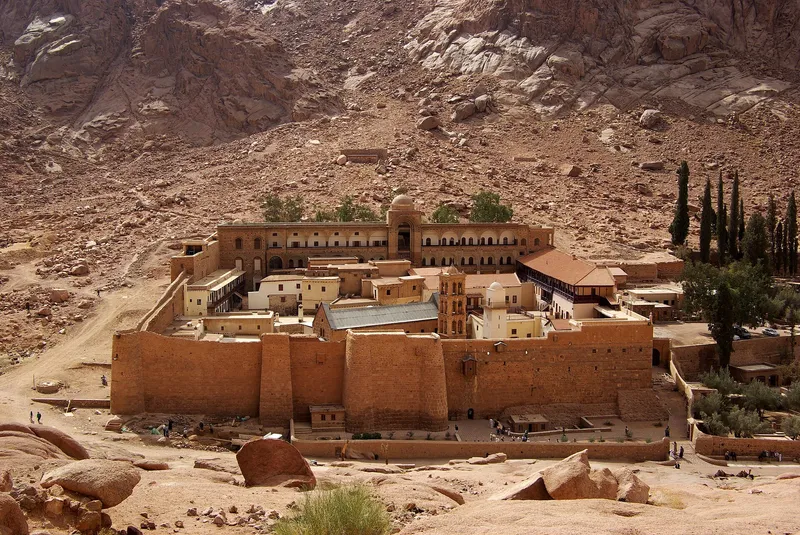 Saint Catherine's Monastery Photograph date: 9 November 2010 · 1600×1071
Berthold Werner / Wikimedia Commons
CC BY-SA 3.0 · cropped and resized
See the photo in the archive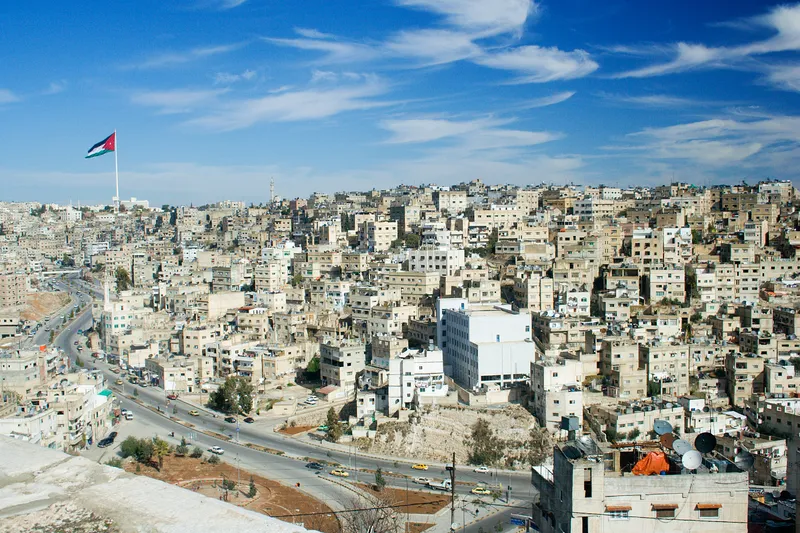 Amman Photograph date unknown · 1600×1067
David Bjorgen / Wikimedia Commons
CC BY-SA 3.0 · cropped and resized
See the photo in the archive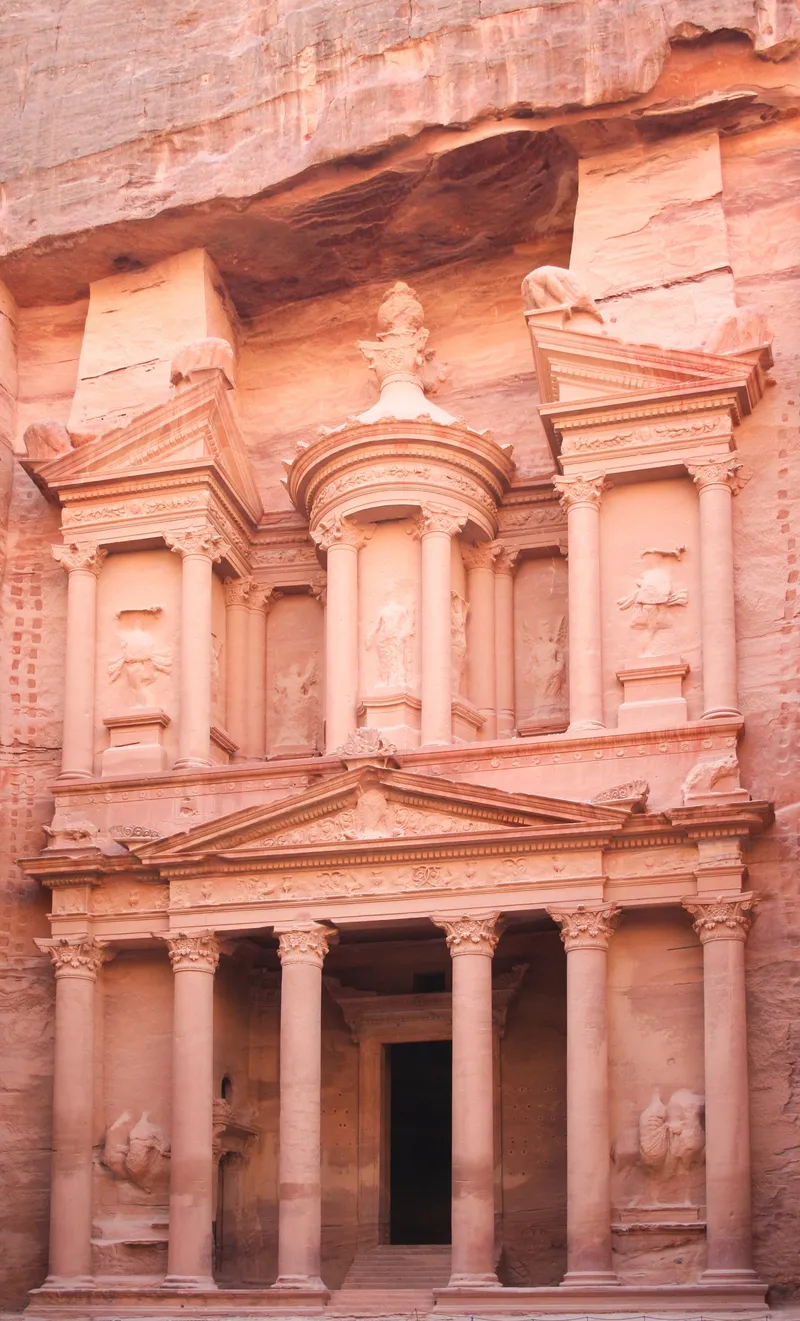 Petra Photograph date: 30 September 2011 · 1600×2643
Diego Delso / Wikimedia Commons
CC BY-SA 3.0 · cropped and resized
See the photo in the archive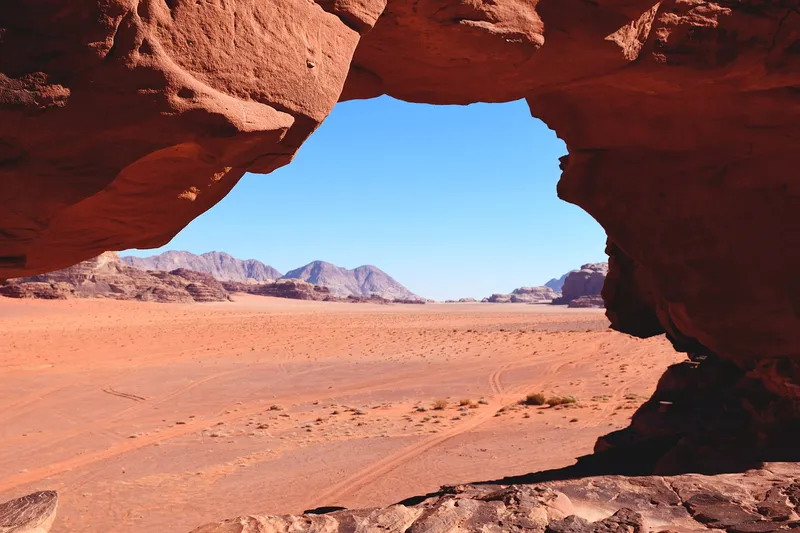 Wadi Rum Photograph date: 25 December 2015 · 1600×1067
Raya Sharbain / Wikimedia Commons
CC BY-SA 4.0 · cropped and resized
See the photo in the archive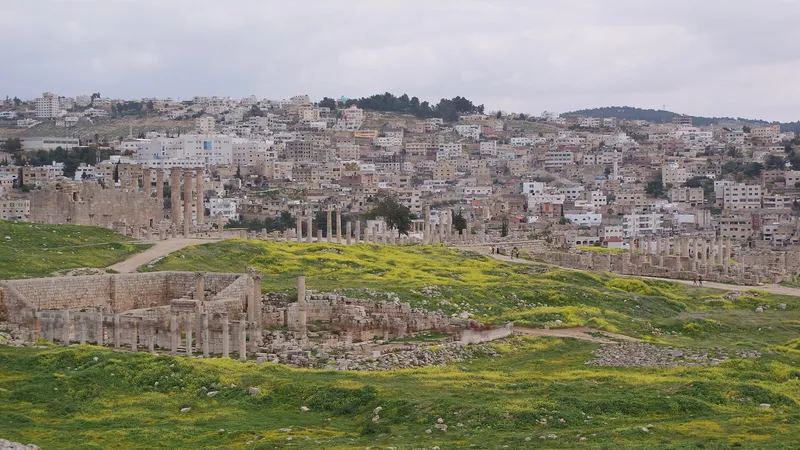 Jerash Photograph date: 25 March 2009 · 1600×899
The original uploader was Freedom's Falcon at Arabic Wikipedia . / Wikimedia Commons
CC BY-SA 2.5 · cropped and resized
See the photo in the archive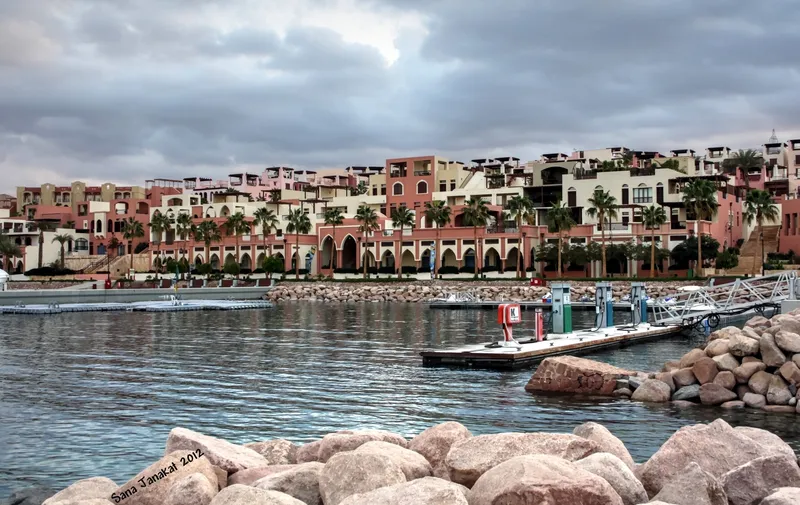 Aqaba Photograph date: 25 January 2012 · 1600×1010
Sana Janakat / Wikimedia Commons
CC BY-SA 4.0 · cropped and resized
See the photo in the archive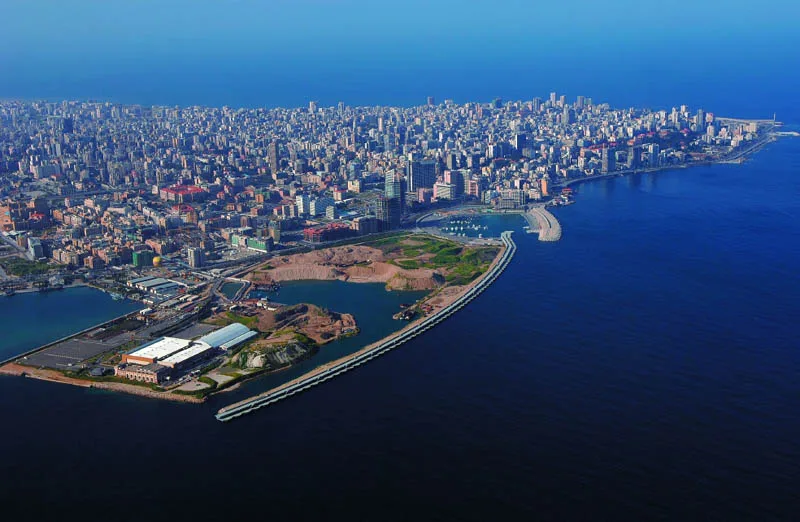 Beirut Photograph date: 19 November 2007 · 800×522
Yoniw / Wikimedia Commons
CC BY-SA 3.0 · cropped and resized
See the photo in the archive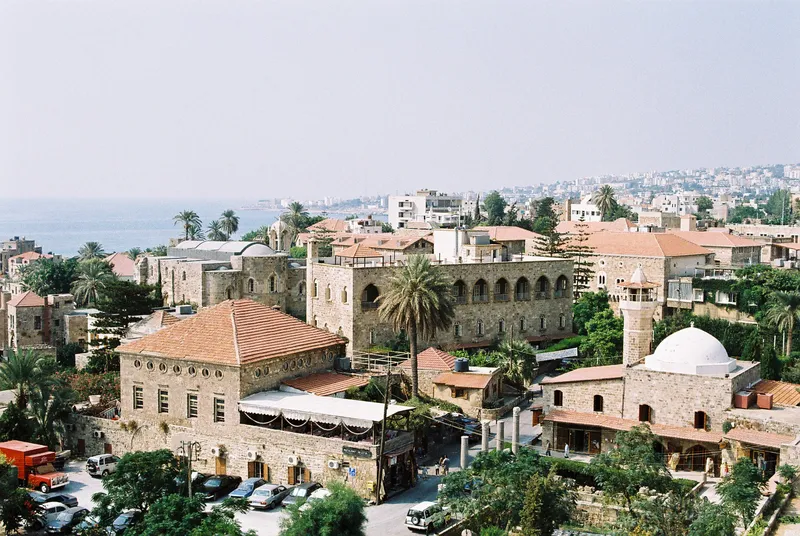 Byblos Photograph date: 2003 · 1600×1071
Orient at de.wikipedia / Wikimedia Commons
CC BY-SA 2.0 de · cropped and resized
See the photo in the archive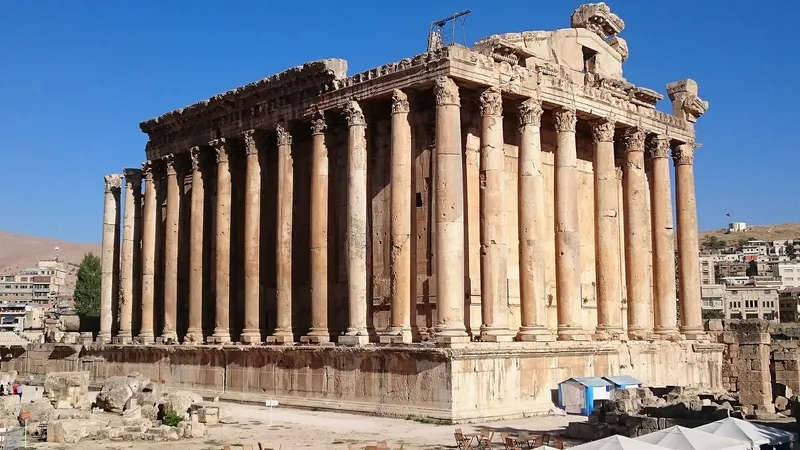 Baalbek Photograph date: 21 August 2015 · 1600×900
Saadedine AL SAIDI / Wikimedia Commons
CC BY-SA 4.0 · cropped and resized
See the photo in the archive Cedars of God Photograph date unknown · 1024×768
BlingBling10 at English Wikipedia / Wikimedia Commons
CC BY-SA 3.0 · cropped and resized
See the photo in the archive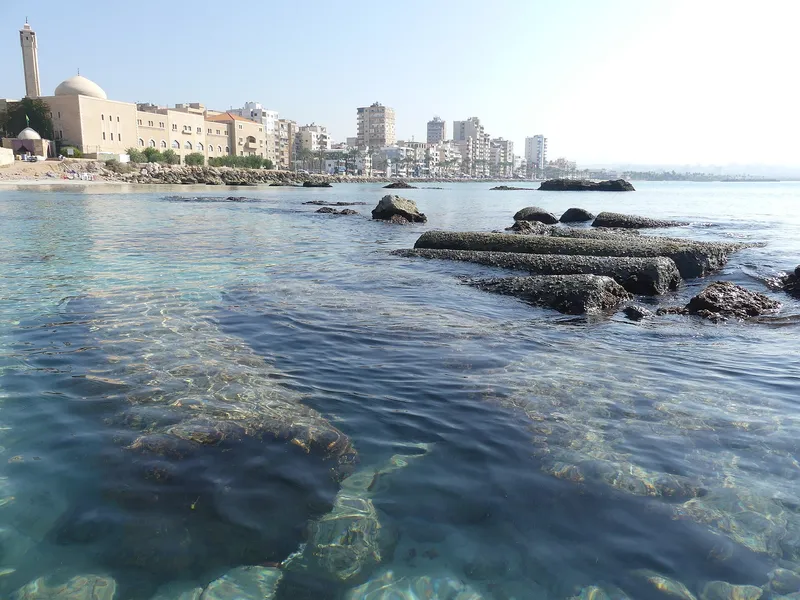 Tyre Photograph date: 4 November 2019 · 1600×1200
RomanDeckert / Wikimedia Commons
CC BY-SA 4.0 · cropped and resized
See the photo in the archive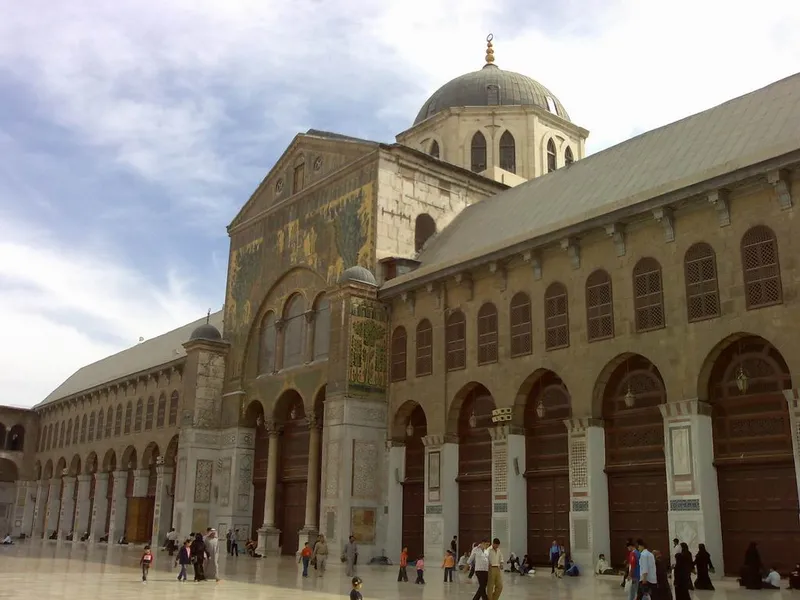 Umayyad Mosque, Damascus Photograph date unknown · 1024×768
Unknown author / Wikimedia Commons
Public domain · cropped and resized
See the photo in the archive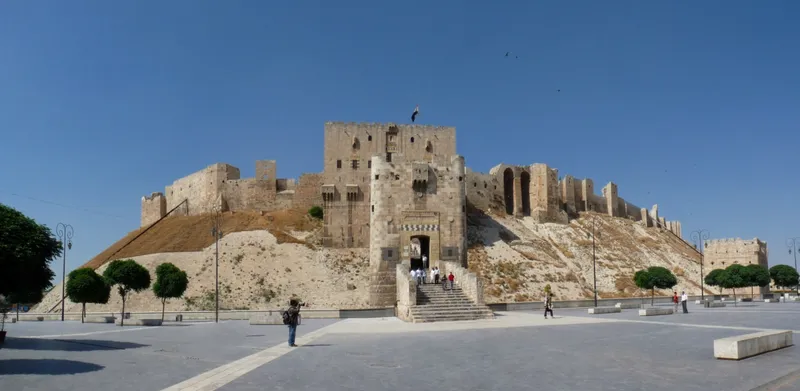 Citadel of Aleppo Photograph date: 26 May 2010 · 1600×783
Memorino / Wikimedia Commons
CC BY-SA 3.0 · cropped and resized
See the photo in the archive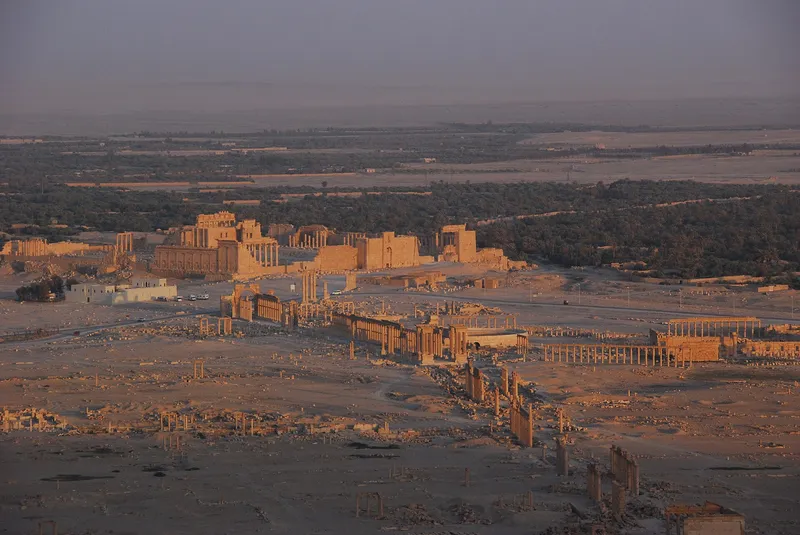 Palmyra Photograph date unknown · 1600×1071
Quim Bahí from Catalunya / Wikimedia Commons
CC BY-SA 2.0 · cropped and resized
See the photo in the archive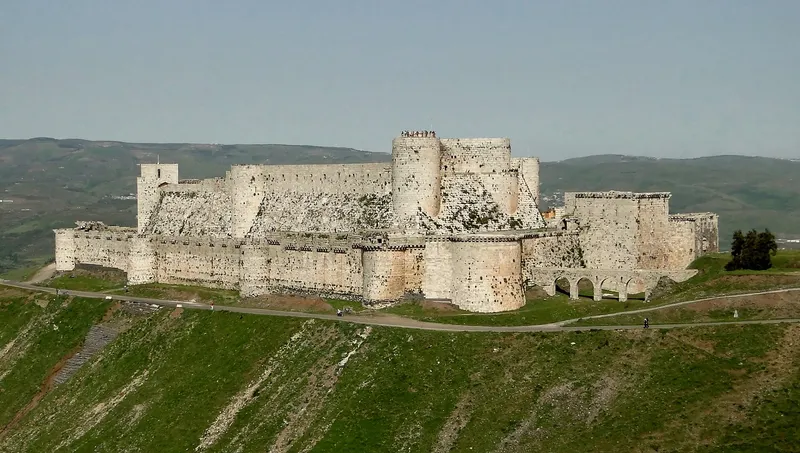 Krak des Chevaliers Photograph date: 2 April 2010 · 1600×906
Bernard Gagnon / Wikimedia Commons
CC BY-SA 4.0 · cropped and resized
See the photo in the archive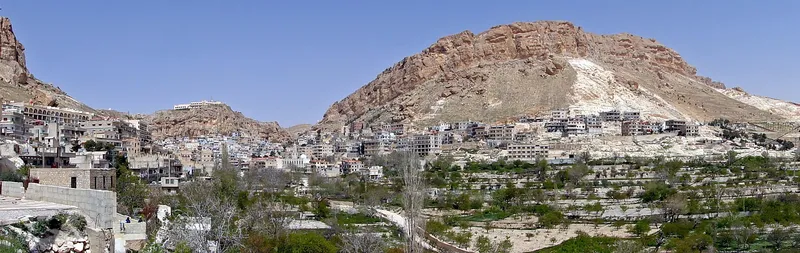 Maaloula Photograph date: 1 April 2010 · 1600×506
Bernard Gagnon / Wikimedia Commons
CC BY-SA 3.0 · cropped and resized
See the photo in the archive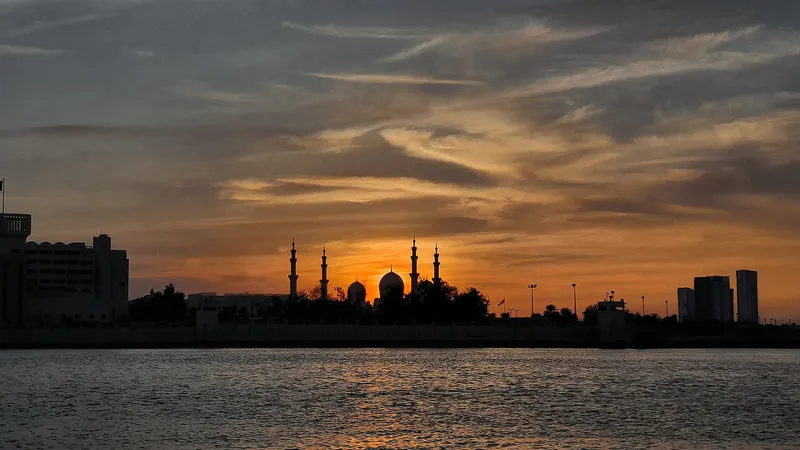 Sheikh Zayed Grand Mosque, Abu Dhabi Photograph date unknown · 1600×900
PotatoWitch / Wikimedia Commons
CC BY-SA 4.0 · cropped and resized
See the photo in the archive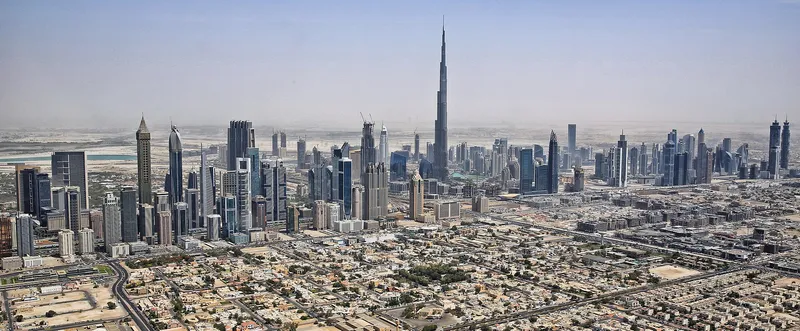 Dubai Photograph date: 27 May 2015 · 1600×662
Tim Reckmann from Hamm, Deutschland / Wikimedia Commons
CC BY-SA 3.0 · cropped and resized
See the photo in the archive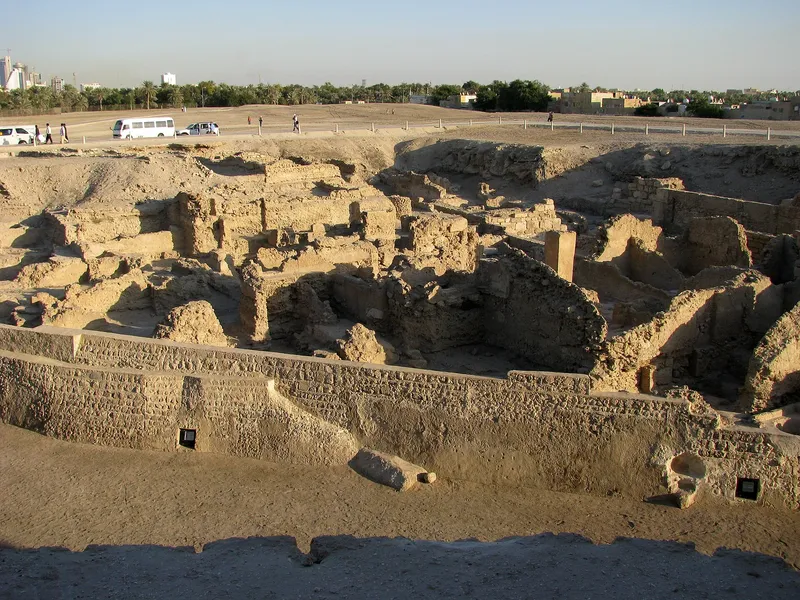 Bahrain Fort (Qal'at al-Bahrain) Photograph date unknown · 1600×1200
Peter from Riyadh, Saudi Arabia / Wikimedia Commons
CC BY 2.0 · cropped and resized
See the photo in the archive Manama Photograph date: 17 November 2016 · 1600×1067
B.alotaby / Wikimedia Commons
CC BY-SA 4.0 · cropped and resized
See the photo in the archive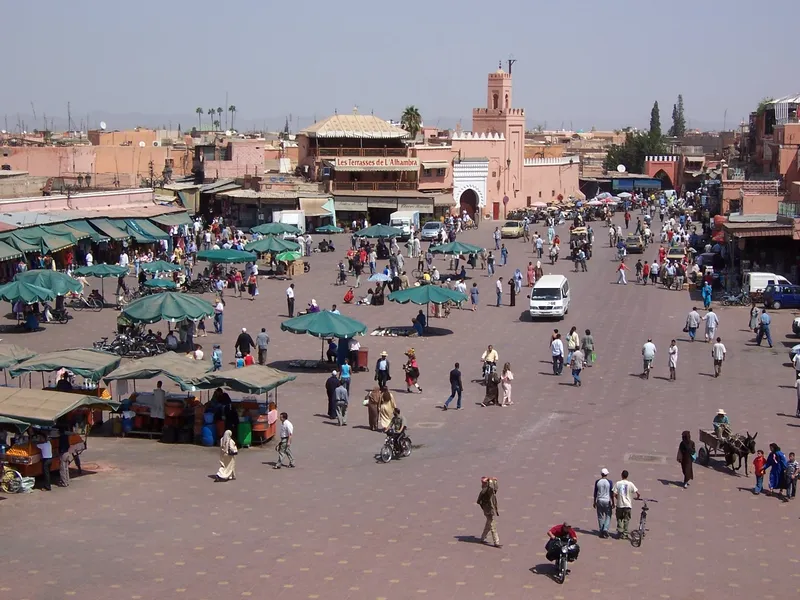 Jemaa el-Fnaa, Marrakesh Photograph date: September 2004 · 1200×900
Dániel Csörföly / Wikimedia Commons
CC BY-SA 3.0 · cropped and resized
See the photo in the archive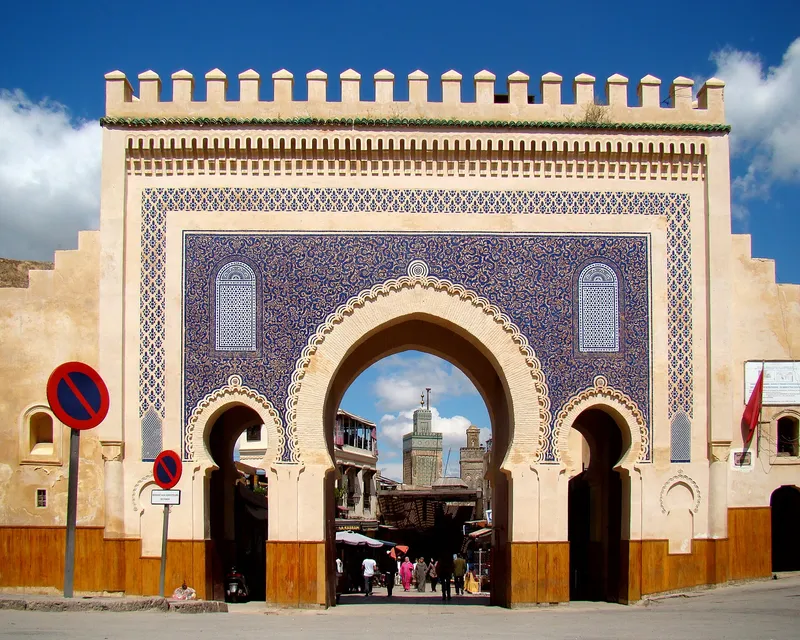 Fes el Bali (old Fez) Photograph date: 25 April 2011 · 1600×1279
Bjørn Christian Tørrissen / Wikimedia Commons
CC BY-SA 3.0 · cropped and resized
See the photo in the archive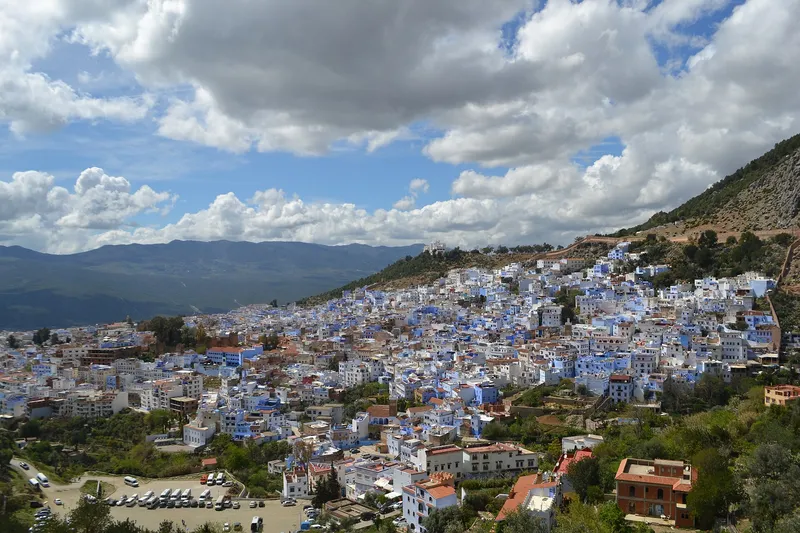 Chefchaouen Photograph date: 17 April 2016 · 1600×1067
Ismailbrk / Wikimedia Commons
CC BY-SA 4.0 · cropped and resized
See the photo in the archive Hassan II Mosque, Casablanca Photograph date unknown · 1600×1064
Milamber's portfolio / Wikimedia Commons
CC BY 2.0 · cropped and resized
See the photo in the archive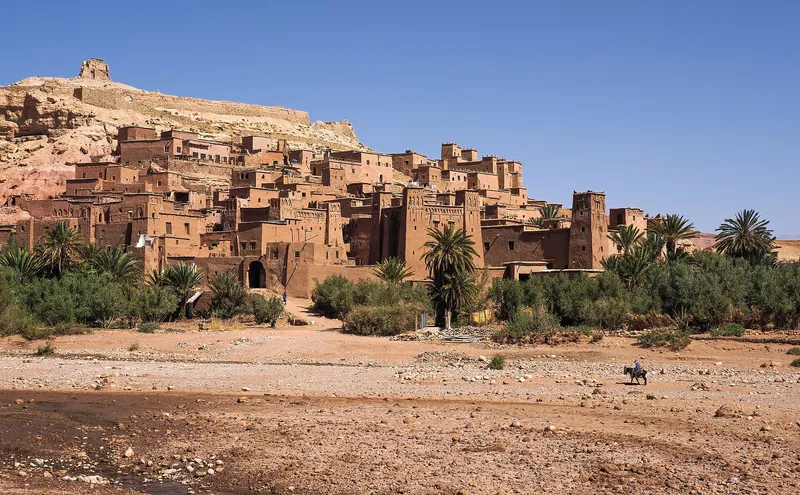 Aït Benhaddou Photograph date: 19 March 2024 · 1600×990
Petar Milošević / Wikimedia Commons
CC BY-SA 4.0 · cropped and resized
See the photo in the archive


Glossary of terms and names
| עברית | العربية | English |
|---|---|---|
| הסכם שלום | معاهدة سلام | peace treaty |
| הסכם נורמליזציה | اتفاق تطبيع | normalization agreement |
| הסכם ביניים | اتفاق مرحلي | interim agreement |
| הסכם שביתת נשק | اتفاقية هدنة | armistice agreement |
| הפרדת כוחות | فصل القوات | disengagement / separation of forces |
| הפסקת אש | وقف إطلاق النار | ceasefire / cessation of hostilities |
| הסדר הקבע | الوضع الدائم | permanent status |
| פתרון שתי המדינות | حل الدولتين | two-state solution |
| הגדה המערבית | الضفة الغربية | West Bank |
| רצועת עזה | قطاع غزة | Gaza Strip |
| רמת הגולן | هضبة الجولان | Golan Heights |
| סיני | سيناء | Sinai |
| ירושלים | القدس | Jerusalem |
| מזרח ירושלים | القدس الشرقية | East Jerusalem |
| הר הבית / אל-חרם א-שריף | الحرم الشريف / جبل الهيكل | Temple Mount / Haram al-Sharif |
| הקו הירוק (קווי שביתת הנשק מ-1949) | الخط الأخضر (خطوط هدنة 1949) | Green Line (1949 armistice lines) |
| הקו הכחול (קו הנסיגה שסימן האו״ם, 2000) | الخط الأزرق (خط الانسحاب الذي حددته الأمم المتحدة، 2000) | Blue Line (UN line of withdrawal, 2000) |
| התנחלויות | المستوطنات | settlements |
| הפליטים הפלסטינים | اللاجئون الفلسطينيون | Palestinian refugees |
| הרשות הפלסטינית | السلطة الفلسطينية | Palestinian Authority (PA) |
| אש״ף | منظمة التحرير الفلسطينية | PLO |
| הכנסת | الكنيست | Knesset |
| מלחמת 1948 | حرب 1948 | the 1948 war |
| מלחמת 1967 (ששת הימים) | حرب 1967 | the 1967 war |
| מלחמת 1973 (יום הכיפורים) | حرب 1973 (حرب أكتوبر) | the 1973 war |
| מתקפת הטרור של חמאס ב-7 באוקטובר 2023 | هجوم حماس الإرهابي في 7 أكتوبر 2023 | the Hamas-led terrorist attack of 7 October 2023 |
| הסכמי אברהם | الاتفاقيات الإبراهيمية | Abraham Accords |
| הסכמי אוסלו | اتفاقيات أوسلو | Oslo Accords |
| הסכמי קמפ דייוויד | اتفاقيات كامب ديفيد | Camp David Accords |
| יוזמת השלום הערבית | مبادرة السلام العربية | Arab Peace Initiative |
| איחוד האמירויות הערביות | الإمارات العربية المتحدة | United Arab Emirates |
| סהרה המערבית | الصحراء الغربية | Western Sahara |
| חזבאללה | حزب الله | Hezbollah |
| חמאס | حماس | Hamas |
All sources on the site
One list from all pages, by publisher. The number in brackets is how many pages rely on the source. 1204 sources.
All sources on the site (1204)
- Press +972 Magazine — Is Israeli-Palestinian confederation all it's hyped up to be? (Shira Efron and Evan Gottesman) (2)
- Primary A Land for All — A Land for All — Two States, One Homeland (the movement's principles) (2)
- Primary A Land for All in the U.S. — Two States, One Homeland (1)
- Press ABC News (published by ABC7 News) — Famine determined in parts of Gaza, 500,000 experiencing 'catastrophic' hunger: Report (1)
- Primary Abraham Accords Peace Institute (copy of the signed document) — Joint Declaration – The Kingdom of Morocco, the United States of America and the State of Israel, Rabat, 22 December 2020 (2)
- Reference Adalah – The Legal Center for Arab Minority Rights in Israel — Absentees' Property Law (1950) — Discriminatory Laws Database (1)
- Reference Adalah – The Legal Center for Arab Minority Rights in Israel — Discriminatory Laws in Israel (database) (1)
- Reference Adalah – The Legal Center for Arab Minority Rights in Israel — Interrogations, Arrests, and Indictments of Palestinian Citizens of Israel since 7 October (3)
- Press AFP (published by Malay Mail) — Thirty years on, Nobel Peace Prize hopes for Mideast shattered by decades of conflict (1)
- Press AFP (published by NAMPA) — Israel says 'all parties' signed phase one of Gaza deal (1)
- Press AFP (published by The Standard, Kenya) — Israel rejects IPC report, says 'no famine in Gaza' (1)
- Press AFP via Ahram Online — Lebanon army begins taking over southern 'pilot zones': US (1)
- Press Ahram Online (Al-Ahram, Cairo) — Prominent diplomat Osama El-Baz dies at 82 (1)
- Press Al Arabiya English — After Biden freezes F-35 sale to UAE, Otaiba: We expected a review under new US admin (1)
- Press Al Jazeera — Bahrain opposition rejects Israel normalisation (3)
- Press Al Jazeera — Colombia Truth Commission presents final report on civil conflict (1)
- Press Al Jazeera — French prosecutor requests dropping Arafat death probe (1)
- Press Al Jazeera — Gaza Board of Peace announces Hamas disarmament agreement: What we know (1)
- Press Al Jazeera — Israel recognises Western Sahara as part of Morocco (1)
- Press Al Jazeera — Israel takes control of Hebron's Ibrahimi Mosque: What this means (1)
- Press Al Jazeera — Israel, Syria agree to dedicated communication line in US-brokered talks (1)
- Press Al Jazeera — Israel's Knesset votes to reject Palestinian statehood (6)
- Press Al Jazeera — Jordan says it will not sign energy and water exchange deal with Israel (2)
- Press Al Jazeera — Kazakhstan, which already recognises Israel, to join 'Abraham Accords' (1)
- Press Al Jazeera — Key moments that led to Trump's Gaza ceasefire deal announcement (2)
- Press Al Jazeera — Land Day: What happened in Palestine on March 30, 1976? (1)
- Press Al Jazeera — Lebanon and Israel still split over disarming Hezbollah at Rome talks (2)
- Press Al Jazeera — Mapping which countries recognise Palestine in 2024 (4)
- Press Al Jazeera — Morocco, Israel sign first-ever defence agreement in Rabat (3)
- Press Al Jazeera — Palestinians unanimously reject UAE-Israel deal (4)
- Press Al Jazeera — Scars of massacre still fresh in Hebron (3)
- Press Al Jazeera — Sudan signs deal to normalise relations with Israel (5)
- Press Al Jazeera — Syria, Israel hold US-mediated talks in Jordan to de-escalate tensions (1)
- Press Al Jazeera — Timeline: 20 years of Hamas rule in Gaza, from election to political exit (6)
- Press Al Jazeera — Timeline: Hamas in power (1)
- Press Al Jazeera — UAE inaugurates Israel embassy after normalisation deal (1)
- Press Al Jazeera (The Palestine Papers) — The "napkin map" revealed (1)
- Press Al Majalla — Al Majalla publishes Olmert-Kidwa peace proposal (2)
- Press Al Majalla — Egypt-Israel ties being tested by concerns over Gaza and Sinai (1)
- Press Al Majalla — Sami Moubayed, Al-Zaim's 1949 offer to absorb 300,000 Palestinians into Syria (1)
- Press Al Majalla — Sami Moubayed, The 17 May Agreement of 1983: a perfect failure (3)
- Press Al-Monitor — Israel, Egypt increase military presence along Egypt's Rafah border (2)
- Press Al-Monitor — Trump says he won't proceed with nuclear deal unless Saudis join Abraham Accords (3)
- Press Al-Monitor — Uri Savir, key negotiator of Oslo Accords, passes away at 69 (1)
- Reference ALLMEP (Alliance for Middle East Peace) — About us (3)
- Reference ALLMEP (Alliance for Middle East Peace) — ALLMEP (official site, home page) (1)
- Reference American Global Strategies — Meir Ben-Shabbat – team biography (1)
- Research American Political Science Review 102(3), Cambridge University Press — Claude Berrebi and Esteban F. Klor, Are Voters Sensitive to Terrorism? Direct Evidence from the Israeli Electorate (1)
- Research American Society of International Law, ASIL Insights vol. 8, issue 16 — Nidal Sliman, Israeli High Court Decision on Location of West Bank Barrier (1)
- Primary American University of Beirut — History (1)
- Research Americans for Peace Now — Hard Questions, Tough Answers (Yossi Alpher) — on the Holy Land Confederation proposal (2)
- Research Americans for Peace Now, Hard Questions, Tough Answers — Yossi Alpher, End of March 2002, End of March 2022: days that changed the Middle East (2)
- Reference Amnesty International — Gaza: repression of peaceful protesters (1)
- Primary Amnesty International — Israel and the Occupied Territories: Abie Nathan – prisoner of conscience; MDE 15/051/1991 (2)
- Press Anadolu Agency — Profile: Who is Fatah's dismissed member Nasser al-Qudwa? (1)
- Press Andina – Peru News Agency — Peru commemorates 26th anniversary of Brasilia Peace Accords signing (2)
- Reference Anera — What are Area A, Area B, and Area C in the West Bank? (1)
- Press ANI (via NewKerala.com) — Report of a senior US State Department official's remarks on the status of IMEC (1)
- Research Arab Barometer — Jordan Country Report, Wave IX (1)
- Research Arab Barometer — MENA Publics and the Future of Normalization with Israel (6)
- Research Arab Barometer — Wave IX: fieldwork and survey coverage (1)
- Research Arab Barometer / PSR — Palestine: Domestic Challenges and the Conflict, Wave IX (1)
- Research Arab Center Washington DC — Running on Empty: The Deepening Fiscal Crisis of the Palestinian Authority (2)
- Press Arab News — Najia Houssari, US envoy to visit Lebanon, discuss Israel maritime talks (1)
- Press Arab News — UAE opens Israel embassy in Tel Aviv (1)
- Press Art Times — Ina Cole, Pablo Picasso: The Development of a Peace Symbol (1)
- Press Arutz Sheva (Israel National News) — Report on Secretary Kerry's testimony to the Senate Foreign Relations Committee, 8 April 2014 (1)
- Press Asharq Al-Awsat — Syria, Israel Hold US-Mediated Talks to Ease Tensions (2)
- Press Associated Press (Samy Magdy; republished by WDIV ClickOnDetroit) — Mediating in Gaza conflict, Egypt seeks broader influence (1)
- Press Associated Press (via WRVO / NPR) — U.S. ambassador to Israel says Israel sent Iron Dome batteries, personnel to UAE (2)
- Primary Avalon Project, Yale Law School — Balfour Declaration, November 2, 1917 (1)
- Primary Avalon Project, Yale Law School — Declaration of Israel's Independence 1948 (2)
- Primary Avalon Project, Yale Law School — Egyptian-Israeli General Armistice Agreement, February 24, 1949 (2)
- Primary Avalon Project, Yale Law School — Israeli-Syrian General Armistice Agreement, July 20, 1949 (1)
- Primary Avalon Project, Yale Law School — Jordanian-Israeli General Armistice Agreement, April 3, 1949 (3)
- Primary Avalon Project, Yale Law School — Lebanese-Israeli General Armistice Agreement, March 23, 1949 (2)
- Primary Avalon Project, Yale Law School — Peace Treaty between Israel and Egypt, March 26, 1979 (7)
- Primary Avalon Project, Yale Law School — The Covenant of the Islamic Resistance Movement (Hamas), 18 August 1988 (English translation) (2)
- Primary Avalon Project, Yale Law School — The Palestine Mandate (1)
- Primary Avalon Project, Yale Law School — Treaty of Peace between Israel and Jordan – Annex I (boundary; Naharayim/Baqura and Zofar/Al-Ghamr areas) (3)
- Primary Avalon Project, Yale Law School — United Nations Security Council Resolution 338 (2)
- Press Axios — Israel-Lebanon framework agreement (1)
- Reference B'Tselem — 10 years to the second Intifada — summary of data (5)
- Reference B'Tselem — Fatalities in the first Intifada (statistics tables) (1)
- Reference B'Tselem — The Israeli Information Center for Human Rights in the Occupied Territories (1)
- Reference B'Tselem — The Separation Barrier (1)
- Reference B'Tselem — What is Area C? (1)
- Primary B’Tselem — About B’Tselem (1)
- Reference BADIL Resource Center for Palestinian Residency and Refugee Rights — Press release of 5 December 2003 reproducing a Fatah statement of 1 December 2003 on the right of return and the Geneva understandings (2)
- Research Bank of Israel — No longer an island economy: Growing trade and tourism relations between Israel and Middle Eastern countries (press release) (1)
- Primary Barenboim-Said Akademie — The West-Eastern Divan Orchestra (2)
- Primary Barenboim-Said Foundation (USA) — Who we are (1)
- Research Begin-Sadat Center for Strategic Studies (BESA) — The Old Peace Treaties vs. the Abraham Accords (Frank Musmar and Najat Al-Saied), Perspectives Paper no. 2,151 (4)
- Research Begin-Sadat Center for Strategic Studies (Eitan Shamir) — The End of Mowing the Grass (BESA Perspectives Paper No. 2,223) (1)
- Research Behavioural Public Policy 3(2), Cambridge University Press (record at Princeton University) — Elizabeth Levy Paluck, Seth A. Green and Donald P. Green, The contact hypothesis re-evaluated (2)
- Press Belga News Agency — Belgium says conditions not yet met to formally recognise Palestine (1)
- Official archive Ben-Gurion Archives, Ben-Gurion University — David Ben-Gurion, diary, 19 January 1949 (cable from the delegation at Rhodes; Sharett briefs the government) (1)
- Research Ben-Gurion’s Desert Home — About Ben-Gurion’s Desert Home (1)
- Research Better Evidence Project, Carter School for Peace and Conflict Resolution, George Mason University — Resolving the militarised territorial dispute between Ecuador and Peru (case study) (1)
- Primary Bibliotheca Alexandrina — Overview (1)
- Press bne IntelliNews — US, Egypt, Qatar and Turkey sign agreement to end Gaza war at Sharm El-Sheikh summit (2)
- Primary Board of Peace — Gaza Roadmap (1)
- Primary Bob Dylan (official site) — Blowin' in the Wind (1)
- Primary Brazilian-Argentine Agency for Accounting and Control of Nuclear Materials (ABACC) — About ABACC (1)
- Research British Journal of Political Science 46(4), Cambridge University Press — Sivan Hirsch-Hoefler, Daphna Canetti, Carmit Rapaport and Stevan E. Hobfoll, Conflict will Harden your Heart: Exposure to Violence, Psychological Distress, and Peace Barriers in Israel and Palestine (3)
- Research British Library catalogue — Yehoshua Porath, The Emergence of the Palestinian-Arab National Movement, 1918–1929 (1974; reissued 2020) (1)
- Research British Museum — A Researcher’s Guide to the Lachish Collection (1)
- Research Brookings Institution — Bruce Riedel, 25 years on, remembering the path to peace for Jordan and Israel (1)
- Research Brookings Institution — Bruce Riedel, Enigma: The anatomy of Israel's intelligence failure almost 45 years ago (2)
- Research Brookings Institution (Saban Center) — Itamar Rabinovich, How to Talk and How Not to Talk to Syria (4)
- Research Brown–Driver–Briggs Hebrew and English Lexicon, as reproduced by Bible Hub — 7965. shalom (1)
- Research CAIN Archive, Ulster University — Malcolm Sutton, An Index of Deaths from the Conflict in Ireland – deaths by year, 1969–2001 (1)
- Research CAIN Archive, Ulster University — Results of the Referenda in Northern Ireland and Republic of Ireland, Friday 22 May 1998 (1)
- Primary CAIN Archive, Ulster University — The Agreement reached in the multi-party negotiations, 10 April 1998 (full text) (1)
- Research CAIN Archive, Ulster University — The Irish Peace Process – chronology of key events, 1988–1993 (1)
- Research CAIN Archive, Ulster University — The Irish Peace Process – chronology of key events, 1993–1998 (1)
- Research CAIN Archive, Ulster University — The Irish Peace Process – paramilitary decommissioning (1)
- Reference Cairo Governorate, Government of Egypt — عودة طابا إلى السيادة المصرية (1)
- Primary Campaign for Nuclear Disarmament (CND) — The Symbol (1)
- Reference Carnegie Endowment for International Peace — Marwan Muasher (biography) (1)
- Research Carnegie Endowment for International Peace — The Death of the Arab Peace Initiative? (Marwan Muasher) (2)
- Research Carnegie Endowment for International Peace (Sada) — Gas and Peace: Can Energy Trade Contain Egypt-Israel Conflict? (9)
- Research Carnegie Endowment for International Peace (Sada) — Hamzah Rifaat Hussain, commentary on Lebanon's maritime deal with Israel (1)
- Press Catholic Review — Pope meets former Israeli and Palestinian officials promoting peace (2)
- Reference Center for Israel Education — Benjamin Netanyahu is born in Tel Aviv (21 October 1949) (1)
- Reference Center for Israel Education — Sadat Addresses the Knesset (1)
- Research Center for Israel Education — Sadat's Historic Visit to Jerusalem (1)
- Reference Center for Israel Education — Shin Bet head Ami Ayalon born (27 June 1945) (1)
- Research Center for Israel Education — The Knesset Passes a Resolution Approving the Signing of the Camp David Accords (1)
- Research Center for Israel Education (documents of the Israel State Archives) — Israeli government meetings of 18–19 June 1967 and the decision of 19 June 1967 (Israel State Archives files, published with an editorial introduction) (1)
- Reference Center for Israel Education (published by The Detroit Jewish News) — Today in Israeli History: Jan. 10, 2000 — Syria peace talks end (2)
- Primary Central Elections Commission — Palestine — 2006 PLC Elections Results (1)
- Primary Central Elections Commission — Palestine — 2012 Local Elections Guidebook: Palestinian political structure, pp. 11–13 (1)
- Primary Central Elections Commission — Palestine — 2026 local elections: statistics and figures (1)
- Primary Central Elections Commission — Palestine — Presidential decrees and Cabinet decisions (1)
- Primary Central Elections Commission — Palestine — The Presidential Elections 2005 (1)
- Primary Central Intelligence Agency — Spotlighting The World Factbook as We Bid a Fond Farewell (1)
- Research CEPR (VoxEU column) — Jong-Wha Lee and Ju Hyun Pyun, Globalisation promotes peace (1)
- Primary CERN Courier / Eliezer Rabinovici — From dreams to beams: SESAME’s 30 year-long journey in science diplomacy (a participant’s retrospective account) (1)
- Primary CERN, on behalf of SESAME — Pioneering SESAME light source officially opened (1)
- Research Chatham House — By agreeing to disarm, Hamas is trying to call Israel's bluff in Gaza (2)
- Research Chatham House — Greg Shapland and Yossi Mekelberg, Israeli–Palestinian Peacemaking: The Camp David approach, 2000 (4)
- Research Chatham House — Greg Shapland and Yossi Mekelberg, Israeli–Palestinian Peacemaking: The Oslo approach, 1993 to 2000 (1)
- Reference CIA World Factbook (final edition data; the Factbook was discontinued on 4 February 2026), read through the open-data copy factbook.json — Egypt (1)
- Reference CIA World Factbook (final edition data; the Factbook was discontinued on 4 February 2026), read through the open-data copy factbook.json — Gaza Strip (1)
- Reference CIA World Factbook (final edition data; the Factbook was discontinued on 4 February 2026), read through the open-data copy factbook.json — Israel (1)
- Reference CIA World Factbook (final edition data; the Factbook was discontinued on 4 February 2026), read through the open-data copy factbook.json — Jordan (1)
- Reference CIA World Factbook (final edition data; the Factbook was discontinued on 4 February 2026), read through the open-data copy factbook.json — Lebanon (1)
- Reference CIA World Factbook (final edition data; the Factbook was discontinued on 4 February 2026), read through the open-data copy factbook.json — Saudi Arabia (1)
- Reference CIA World Factbook (final edition data; the Factbook was discontinued on 4 February 2026), read through the open-data copy factbook.json — Syria (1)
- Reference CIA World Factbook (final edition data; the Factbook was discontinued on 4 February 2026), read through the open-data copy factbook.json — West Bank (1)
- Primary City of Nuremberg / Daniel Jacoby — Laudatio for Khémaïs Chammari and Abe Nathan, 1997 (1)
- Primary City of Nuremberg, Human Rights Office — 1997 International Nuremberg Human Rights Award ceremony (2)
- Press CNBC (from UN OCHA data) — Charts show a stark difference in the human cost of Israeli-Palestinian conflicts over the years (1)
- Press CNN — Carter wins Nobel Peace Prize (report on the announcement and the committee chairman's remarks) (1)
- Press CNN — WorldView transcript of 10 January 2000: Israel and Syria begin a recess in the Shepherdstown talks (2)
- Press CNN (published by KRDO) — Oct. 7 attackers could face death penalty after Israel approves war crimes tribunal (1)
- Press CNN (via KTVZ) — Arab League Fast Facts (4)
- Reference Columbia University SIPA, Institute of Global Politics — Amos Hochstein – Distinguished Fellow (1)
- Primary Columbia University, Center for Palestine Studies — Edward Said Resources (2)
- Reference Combatants for Peace — Combatants for Peace (official site) (5)
- Reference Committee to Protect Journalists — Abie Nathan: imprisonment record, 1991 (1)
- Research Congressional Research Service — Israel and the Palestinians: U.S. Peace Plan and Possible Israeli Annexation (IN11214) (5)
- Research Congressional Research Service — Israel's Disengagement from Gaza (RS22000) (7)
- Research Congressional Research Service — Israeli-Palestinian Peace Process: The Annapolis Conference (RS22768) (6)
- Research Congressional Research Service — Palestinian Elections (RL33269) (3)
- Research Congressional Research Service (Jim Zanotti) — Israel and Hamas: Another Round of Conflict (IN10104) (2)
- Research Congressional Research Service (via EveryCRSReport.com) — Egypt: Background and U.S. Relations (RL33003, Jeremy M. Sharp) (2)
- Reference Connexions Library (catalogue entry with abstract and contents) — Ilan Pappé, The Ethnic Cleansing of Palestine (Oneworld) (1)
- Primary Council of Centers on Jewish-Christian Relations — First Alexandria Declaration, 21 January 2002 (1)
- Research Council of Religious Institutions of the Holy Land — Victims of Our Own Narratives? Study Report (1)
- Primary Council of the European Union — EU sanctions concerning Hamas and the 7 October terrorist attacks, 12 April 2024 (2)
- Primary Council of the European Union — Response to the brutal and indiscriminate terrorist attacks of 7 October, 8 December 2023 (1)
- Research Council on Foreign Relations — A Guide to Trump's Twenty-Point Gaza Peace Deal (5)
- Research Council on Foreign Relations — Israel-Lebanon Ceasefire Extended for Three Weeks (1)
- Research Council on Foreign Relations — Kali Robinson, What to Know About the Arab Citizens of Israel (Backgrounder) (1)
- Research Council on Foreign Relations — Moving Past the Troubles: The Future of Northern Ireland Peace (backgrounder) (1)
- Primary Creative Commons — Attribution 4.0 International (CC BY 4.0): licence deed (1)
- Primary Creative Commons — Attribution-ShareAlike 4.0 International (CC BY-SA 4.0): licence deed (1)
- Primary Creative Commons — CC0 1.0 Universal: deed (1)
- Reference Critical Education blog, University of British Columbia (Stephen Petrina) — “Portrayal of the Other” in Israeli and Palestinian school books — summary of the report “Victims of Our Own Narratives?” (4 February 2013), with a link to the full report (2)
- Primary Daniel Barenboim — The Power of Music: Europe’s commitment in the Middle East and in the world (1)
- Primary David Broza (official site) — Bio (1)
- Primary Department of Justice and Constitutional Development, South Africa — Truth and Reconciliation Commission – official website (1)
- Press Deseret News — Song of peace has blood of Rabin between the lines (1)
- Press Detroit Metro Times — Transglobal Crossover (review by Dan Rosenberg, 23 February 2000) (1)
- Primary Deutsche Grammophon — Daniel Barenboim (2)
- Primary Documents on Palestine, Vol. II (PASSIA), via LearnPalestine, University of Oxford — All-Palestine Government: Palestinian Proclamation of Independence, Gaza, 1 October 1948 (1)
- Primary East Mediterranean Gas Forum (EMGF) — East Mediterranean Gas Forum: official site (members and observers) (1)
- Reference Economic Cooperation Foundation — Knesset Repeals Prohibition Against Liaising with PLO (1993), with the 1986 and 1993 amendments (2)
- Research Economic Cooperation Foundation (ECF) — Abolition of the Military Governance of Arab-Populated Areas in Israel (1966) (1)
- Research Economic Cooperation Foundation (ECF) — Agreement on Movement and Access (AMA, 2005) (1)
- Reference Economic Cooperation Foundation (ECF) — Al-Zaim Proposal for Israeli-Syrian Peace (1949) (1)
- Research Economic Cooperation Foundation (ECF) — Assassination of Yitzhak Rabin (1995) (8)
- Research Economic Cooperation Foundation (ECF) — Ayalon–Nusseibeh Statement of Principles (2002) (4)
- Research Economic Cooperation Foundation (ECF) — Cairo Agreement on Gaza and Jericho (1994) (5)
- Research Economic Cooperation Foundation (ECF) — Clinton Parameters (2000) (8)
- Research Economic Cooperation Foundation (ECF) — Declaration of Principles (1993) (1)
- Reference Economic Cooperation Foundation (ECF) — Dr. Yossi Beilin – biography (2)
- Research Economic Cooperation Foundation (ECF) — Geneva Initiative (2003) (6)
- Research Economic Cooperation Foundation (ECF) — Geneva Peace Conference (1973) (2)
- Research Economic Cooperation Foundation (ECF) — Hebron Protocol (1997) (4)
- Reference Economic Cooperation Foundation (ECF) — Interim Agreement between Israel and Egypt (Sinai II), 1975 (1)
- Research Economic Cooperation Foundation (ECF) — Israeli government resolution of 19 June 1967 (ECF database, entry 89) (1)
- Research Economic Cooperation Foundation (ECF) — Israeli-Palestinian Interim Agreement (Oslo II, 1995) (8)
- Primary Economic Cooperation Foundation (ECF) — King Hussein, address at the signing of the Israel–Jordan peace treaty, 26 October 1994 (English text) (1)
- Research Economic Cooperation Foundation (ECF) — Mitchell Report (2001) (2)
- Research Economic Cooperation Foundation (ECF) — Palestinian Declaration of Independence and Acceptance of Res. 242 and 338 (1988) (1)
- Research Economic Cooperation Foundation (ECF) — Peres-Hussein London Agreement (1987) (4)
- Primary Economic Cooperation Foundation (ECF) — Peres–Hussein London Agreement – English text (1)
- Research Economic Cooperation Foundation (ECF) — Road Map for Peace (2003) (6)
- Research Economic Cooperation Foundation (ECF) — Safe Passage Protocol (1999) (2)
- Reference Economic Cooperation Foundation (ECF) — Shepherdstown Conference (2000) (2)
- Primary Economic Cooperation Foundation (ECF) — The Armistice Agreement between Lebanon and Israel, English text with signatures, 23 March 1949 (1)
- Primary Economic Cooperation Foundation (ECF) — The Armistice Agreement between Syria and Israel, English text with signatures, 20 July 1949 (1)
- Research Economic Cooperation Foundation (ECF) — The Holy Land Confederation (2022) (3)
- Primary Economic Cooperation Foundation (ECF) — The Holy Land Confederation as a Facilitator for the Two-State Solution — English, 1st edition (2022) (3)
- Research Economic Cooperation Foundation (ECF) — United Nations General Assembly Resolution 3237 (1974) (1)
- Research Economic Cooperation Foundation (ECF) — Wye River Memorandum (1998) (4)
- Primary Economic Cooperation Foundation (ECF) – document archive — The Khartoum Resolutions, Arab League summit, 29 August – 1 September 1967 (English text) (1)
- Research Economic Cooperation Foundation (ECF) — Hebrew text of the speech as published by ynet — Israeli PM Netanyahu's Bar-Ilan Speech - Hebrew (2009) (2)
- Primary Economic Cooperation Foundation (ECF), document archive — Israel–Lebanon Ceasefire Understanding, 26 April 1996 (English text) (2)
- Reference EcoPeace Middle East — About EcoPeace Middle East (3)
- Reference EcoPeace Middle East — EcoPeace Middle East (official site, home page and programme menu) (1)
- Reference EcoPeace Middle East — Gidon Bromberg, Nada Majdalani and Yana Abu Taleb, A Green Blue Deal for the Middle East (1)
- Press Egyptian Streets — Mirna K., Seeing Egypt Through Dalida's 'Helwa Ya Baladi' (1)
- Press Enab Baladi — Under U.S. sponsorship, al-Shibani meets Israeli minister in Paris (1)
- Reference Encyclopaedia Britannica — 12-Day War (June 2025) (1)
- Reference Encyclopaedia Britannica — Abdel Fattah al-Burhan (1)
- Reference Encyclopaedia Britannica — Abdullah II (1)
- Reference Encyclopaedia Britannica — Abdullah of Saudi Arabia (1)
- Reference Encyclopaedia Britannica — Arab-Israeli wars (1)
- Reference Encyclopaedia Britannica — Ariel Sharon (1)
- Reference Encyclopaedia Britannica — Bill Clinton (1)
- Reference Encyclopaedia Britannica — Boutros Boutros-Ghali (1)
- Reference Encyclopaedia Britannica — Democratic Front for the Liberation of Palestine (3)
- Reference Encyclopaedia Britannica — Donald Trump (1)
- Reference Encyclopaedia Britannica — Egypt – Facts & Stats (1)
- Reference Encyclopaedia Britannica — Ehud Barak (2)
- Reference Encyclopaedia Britannica — Ehud Olmert (1)
- Reference Encyclopaedia Britannica — Fairouz (1)
- Reference Encyclopaedia Britannica — Fairuz (1)
- Reference Encyclopaedia Britannica — George H.W. Bush (1)
- Reference Encyclopaedia Britannica — George W. Bush (1)
- Reference Encyclopaedia Britannica — Golda Meir (1)
- Reference Encyclopaedia Britannica — Good Friday Agreement (1)
- Reference Encyclopaedia Britannica — Hanan Ashrawi (1)
- Reference Encyclopaedia Britannica — Hosni Mubarak (1)
- Reference Encyclopaedia Britannica — Hussein, king of Jordan (2)
- Reference Encyclopaedia Britannica — Imagine (song by Lennon) (1)
- Reference Encyclopaedia Britannica — Israel (1)
- Reference Encyclopaedia Britannica — Israel – Facts & Stats (1)
- Reference Encyclopaedia Britannica — James Baker (1)
- Reference Encyclopaedia Britannica — Jared Kushner (1)
- Reference Encyclopaedia Britannica — John Kerry (1)
- Reference Encyclopaedia Britannica — Jordan (1)
- Reference Encyclopaedia Britannica — Lebanon – Facts & Stats (1)
- Reference Encyclopaedia Britannica — Mahmoud Abbas (1)
- Reference Encyclopaedia Britannica — Mahmoud Darwish (2)
- Reference Encyclopaedia Britannica — Moshe Dayan (2)
- Reference Encyclopaedia Britannica — Muhammad VI (1)
- Reference Encyclopaedia Britannica — Munich massacre (2)
- Reference Encyclopaedia Britannica — Nizar Qabbani (1)
- Reference Encyclopaedia Britannica — Palestinian Authority (1)
- Reference Encyclopaedia Britannica — Pax (Roman religion) (1)
- Reference Encyclopaedia Britannica — Ramallah (1)
- Reference Encyclopaedia Britannica — Saudi Arabia (1)
- Reference Encyclopaedia Britannica — Saudi Arabia – Facts & Stats (1)
- Reference Encyclopaedia Britannica — Shimon Peres (1)
- Reference Encyclopaedia Britannica — Six-Day War (1)
- Reference Encyclopaedia Britannica — Syria (1)
- Reference Encyclopaedia Britannica — Tzipi Livni (1)
- Reference Encyclopaedia Britannica — Umm Kulthum (1)
- Reference Encyclopaedia Britannica — War of Attrition (1)
- Reference Encyclopaedia Britannica — West Bank (1)
- Reference Encyclopaedia Britannica — World War I – Killed, wounded, and missing (table; source given as U.S. War Department, February 1924) (1)
- Reference Encyclopaedia Britannica — Yair Lapid (1)
- Reference Encyclopaedia Britannica — Yitzhak Rabin (2)
- Reference Encyclopaedia Britannica — Yitzhak Shamir (1)
- Reference Encyclopædia Universalis — HOLST Johan Jørgen (1937–1994) (1)
- Reference Encyclopedia.com (Encyclopedia of the Modern Middle East and North Africa) — Taba (2)
- Reference European Commission — Palestine – EU neighbourhood policy country page (page description; only the summary line was readable) (1)
- Reference European Council on Foreign Relations – Mapping Palestinian Politics — Yasser Abed Rabbo (1)
- Primary European Union (european-union.europa.eu) — Schuman Declaration, May 1950 (2)
- Primary FAOLEX (treaty archive) — Israel–Jordan Peace Treaty, 26 October 1994 · FAOLEX copy (2)
- Research Fathom Journal — Joel Singer, Oslo 25 | Twenty-five years since Oslo: an insider's account (1)
- Research FDD's Long War Journal — David Daoud, Analysis: The Israel-Lebanon framework agreement explained (1)
- Press Foreign Affairs — John C. Campbell, review of Mohamed Ibrahim Kamel, The Camp David Accords: A Testimony by Sadat's Foreign Minister (1)
- Reference Foundation for Middle East Peace (FMEP) — Clinton Parameters (text as published by Haaretz and the Jerusalem Media and Communication Center; no official written text was distributed) (3)
- Press Fox News — 'Gift to Hamas': Trump administration blasts UN Palestinian statehood vote (3)
- Reference Franco-German Youth Office (OFAJ/DFJW) — OFAJ–DFJW newsletter No. 25, June–July 2008 (1)
- Primary Fundación Barenboim-Said — Nuestra historia (1)
- Reference Geneva Initiative — The Accord (summary on the initiative's website) (3)
- Primary Geneva Initiative — The Geneva Accord — Full Text (5)
- Reference Georg Eckert Institute — Georg Eckert Institute: presentation of the shared Franco-German history textbook (1)
- Research Georg Eckert Institute — Report on Palestinian Textbooks — Executive Summary (1)
- Research Georg Eckert Institute — Report on Palestinian Textbooks: FAQ (1)
- Research Georgetown Institute for Women, Peace and Security — Women Wage Peace & Women of the Sun (2)
- Research GlobalSecurity.org (reproducing a report by Helena Cobban) — Helena Cobban, report on the Israeli–Syrian peace talks, dated 7 July 1997 (1)
- Press Globes — Jordan signs $10b Leviathan gas deal (1)
- Press Globes — Leviathan gas begins flowing to Jordan (2)
- Research Golda Meir Center (goldameir.org.il) — The meeting with King Hussein, 25 September 1973 (account by a senior Military Intelligence officer) (1)
- Official archive Golda Meir Institute — מפגש ראש הממשלה גולדה מאיר והמלך חוסיין 25.9.1973 — דיווח המיוחס לקצין אמ״ן בכיר, סעיף 6 (1)
- Primary Government of Ireland, Department of Foreign Affairs (ireland.ie) — About the Good Friday Agreement (1)
- Primary Government of Israel and the PLO (UNISPAL reproduction) — Israeli–Palestinian Interim Agreement on the West Bank and the Gaza Strip, Articles XI, XVII and XXXI (1)
- Primary Government of Israel and the PLO; text at Yale Law School’s Avalon Project — Protocol concerning the redeployment in Hebron, Articles 2, 7, 9 and 10 (text signed 17 January 1997) (1)
- Primary Government of Norway (regjeringen.no) — Norway's engagement in the peace process in Colombia (1)
- Official archive Government of Norway (regjeringen.no) — Norway's involvement in the peace process in the Middle East (9)
- Primary Government of Portugal (portugal.gov.pt) — Portugal formally recognises the Palestinian State (1)
- Primary Government of South Africa — The Constitution (1)
- Primary Government of South Africa (gov.za) — Constitution of the Republic of South Africa Act 200 of 1993 (interim constitution) (1)
- Primary Government of the United Kingdom (GOV.UK) — UK formally recognises Palestinian State (1)
- Primary Greek Orthodox Patriarchate of Jerusalem — Statement on Unity and Representation of Christian Communities in the Holy Land, 17 January 2026 (1)
- Primary Gush Shalom — List of actions, 1992–2006 (1)
- Primary Gush Shalom — The Terrible Problem (2)
- Primary Gush Shalom — Uri Avnery (2)
- Primary Gush Shalom — אודות (1)
- Primary Gush Shalom — מיזם מוצרי ההתנחלויות (1)
- Research H-Diplo / ISSF — Craig Daigle, Review Essay on Yigal Kipnis, 1973: The Road to War (Just World Books, 2013; Hebrew edition 2012) (2)
- Research H-Diplo / ISSF — Uri Bar-Joseph, Article Review No. 414 on Avi Raz, “The Generous Peace Offer that was Never Offered: The Israeli Cabinet Resolution of June 19, 1967”, Diplomatic History 37:1 (2013) (1)
- Reference HaMoked: Center for the Defence of the Individual — “Security” inmates held by Israel — monthly figures supplied by the Israel Prison Service (1)
- Reference Hand in Hand: Center for Jewish-Arab Education in Israel — Hand in Hand (official site) (4)
- Press History News Network (excerpt from Commentary) — Efraim Karsh: 1948, Israel, and the Palestinians (1)
- Press History News Network (republished from Jewish Currents) — Ralph Seliger, “Golda's Missed Opportunities for Peace” (citing Avi Shlaim, The Iron Wall, pp. 258–259) (1)
- Research House of Commons Library (UK Parliament) — Gaza 2026: Board of Peace and National Transitional Committee (CBP-10492) (3)
- Research Human Rights Watch — “I Can't Erase All the Blood from My Mind”: Palestinian Armed Groups' October 7 Assault on Israel (1)
- Research Human Rights Watch — Israel/Lebanon: “Operation Grapes of Wrath” – The Civilian Victims (vol. 9, no. 8(E)) (2)
- Research Human Rights Watch — Rockets from Gaza: Harm to Civilians from Palestinian Armed Groups’ Rocket Attacks (2)
- Press i24NEWS (reporting figures of Israel's Central Bureau of Statistics) — Israel's population reaches 10.3 million ahead of Rosh Hashanah (1)
- Primary ibiblio (mirror of the speech text) — President Anwar Sadat's Address to the Israeli Knesset, 20 November 1977 (5)
- Official archive IDF and Defense Establishment Archives, Israel Ministry of Defense — Time axis: 2006 (1)
- Research IMPACT-se — IMPACT-se Review of Georg Eckert Institute (GEI) Report on Palestinian Authority (PA) Textbooks (1)
- Primary Independent International Commission on Decommissioning; transcript archived by CAIN, Ulster University — Transcript of IICD press conference, 26 September 2005 (1)
- Research Index on Censorship, no. 1 (2001), pp. 50–55 (text on the author's University of Oxford page) — Avi Shlaim, Peace Confounded (4)
- Research Institute for Economics & Peace (Vision of Humanity) — Global Peace Index 2026 (1)
- Research Institute for National Security Studies (Amos Yadlin) — Operation Protective Edge: The Goals, and the Strategy to Achieve Them (INSS Insight No. 571) (1)
- Reference Institute for National Security Studies (INSS) — Gilead Sher (researcher profile) (1)
- Research Institute for National Security Studies (INSS) — The War in Gaza Harms Israeli–Moroccan Normalization (Morr Link) (1)
- Research Institute for National Security Studies (INSS) — Udi Dekel and Oded Eran, Secretary of State Kerry's Speech on the Israeli-Palestinian Conflict (INSS Insight No. 885) (1)
- Research Institute for National Security Studies (INSS) / The American Interest — Michael Herzog, Inside the Black Box of Israeli-Palestinian Talks (1)
- Research Institute for National Security Studies (Marc Finaud) — The 1996 “Grapes of Wrath” Ceasefire Agreement and the Israel-Lebanon Monitoring Group (1)
- Research Institute for National Security Studies (Udi Dekel) — Operation Guardian of the Walls: Over, but Not Done With (2)
- Reference Institute for Palestine Studies — Camp David documents (Journal of Palestine Studies) (1)
- Research Institute for Palestine Studies — Journals, documents and chronologies (1)
- Research Institute for Palestine Studies — The Taba Negotiations (January 2001) (4)
- Research Institute for Palestine Studies – Chronology — Chronology entry, 25 May 2003: the Israeli cabinet approves the steps of the Road Map with 14 reservations (2)
- Research Institute for Palestine Studies – Chronology — Chronology entry, 6 November 1994: Jordanian parliament ratifies the peace treaty (4)
- Research Institute for Palestine Studies – Chronology — Chronology entry, Sunday, November 3, 1991 (face-to-face bilateral talks begin in Madrid) (2)
- Reference Institute for Palestine Studies – Interactive Encyclopedia of the Palestine Question (PalQuest) — Maher Charif, Palestinian Declaration of Independence, 15 November 1988 (1)
- Reference Institute for Palestine Studies – Interactive Encyclopedia of the Palestine Question (PalQuest) — Palestine Liberation Organization (II) (Overall Chronology) (1)
- Reference Institute for Palestine Studies – Interactive Encyclopedia of the Palestine Question (PalQuest) — Resolution 242, 22 November 1967 (Overall Chronology) (3)
- Reference Institute for Palestine Studies — Journal of Palestine Studies, vol. 31 no. 1 (Autumn 2001), Documents and Source Material — B2. PLO, “Camp David Peace Proposal: Frequently Asked Questions,” Ramallah, July 2001 (1)
- Research Institute for Palestine Studies (Journal of Palestine Studies, vol. 15 no. 4, Summer 1986) — Avi Shlaim, Husni Za'im and the Plan to Resettle Palestinian Refugees in Syria (bibliographic record; the article itself was not read) (1)
- Research Institute for Palestine Studies (Journal of Palestine Studies) — Patrick Seale, The Syria-Israel Negotiations: Who Is Telling the Truth? (2)
- Research Institute for Palestine Studies (Journal of Palestine Studies) — The Oslo Accords: An Interview with Haydar Abd al-Shafi (1)
- Primary Institute for Palestine Studies (PalQuest) — Anwar Sadat’s speech to the Knesset, 20 November 1977 (1)
- Research Institute for Palestine Studies / Palestinian Museum — PalQuest: Interactive Encyclopedia of the Palestine Question (1)
- Research Institute for Palestine Studies / Palestinian Museum — Interactive Encyclopedia of the Palestine Question (PalQuest) — Adel Manna, Kafr Qasim, 29 October 1956 (1)
- Research Institute for Palestine Studies / Palestinian Museum — Interactive Encyclopedia of the Palestine Question (PalQuest) — Great Palestinian Rebellion, 1936–1939 (2)
- Research Institute for Palestine Studies / Palestinian Museum — Interactive Encyclopedia of the Palestine Question (PalQuest) — Israel's Nation-State Law, 2018 (2)
- Research Institute for Palestine Studies / Palestinian Museum — Interactive Encyclopedia of the Palestine Question (PalQuest) — Maher Charif, The Nakba (1)
- Research Institute for Palestine Studies / Palestinian Museum — Interactive Encyclopedia of the Palestine Question (PalQuest) — Nabil Salih, The October 2000 Events in Israel (1)
- Research Institute for Palestine Studies / Palestinian Museum — Interactive Encyclopedia of the Palestine Question (PalQuest) — Palestine Liberation Organization (I) (1)
- Research Institute for Palestine Studies / Palestinian Museum — Interactive Encyclopedia of the Palestine Question (PalQuest) — The Deir Yasin Massacre, 9 April 1948 (1)
- Research Institute for Palestine Studies / Palestinian Museum — PalQuest — About Places: All That Remains (the 418 villages, and other counts of depopulated villages) (1)
- Research Institute for Palestine Studies / Palestinian Museum — PalQuest — Ottoman Palestine and emerging national identities — overall chronology (2)
- Research Institute for Palestine Studies / Palestinian Museum (PalQuest) — First Intifada and Israeli-Palestinian Negotiations, 1987–1993 (3)
- Research Institute for Palestine Studies, Chronology of the Palestine Question — Monday, October 25, 1999 (daily entry) (1)
- Reference InterAction Council — In memoriam: Abdel Salam Majali (1)
- Reference Interactive Encyclopedia of the Palestine Question (Institute for Palestine Studies) — Biography: Hanan Ashrawi (1)
- Reference Interactive Encyclopedia of the Palestine Question (Institute for Palestine Studies) — Haydar Abd al-Shafi (biography) (1)
- Reference Interactive Encyclopedia of the Palestine Question (Institute for Palestine Studies) — The Sabra and Shatila Massacre, 16–18 September 1982 (1)
- Primary Interactive Encyclopedia of the Palestine Question (Institute for Palestine Studies), from Journal of Palestine Studies vol. 18 no. 3 — Press Conference Statement of Yasir Arafat Clarifying His Speech Before the UN General Assembly, Geneva, 14 December 1988 (1)
- Reference Interactive Encyclopedia of the Palestine Question (palquest.org) — Gaza–Jericho Agreement / Paris Protocol entry (1)
- Reference Interactive Encyclopedia of the Palestine Question (PalQuest), Institute for Palestine Studies — Ibrahim Tuqan – Poets (1905–1941) (1)
- Primary International Christian Embassy Jerusalem, USA — Key Issues (1)
- Reference International Commission of Jurists — Palestine/Israel: ICC Arrest Warrants for Israeli and Hamas Leaders a Significant Step in the Pursuit of Justice (1)
- Primary International Court of Justice — Advisory Jurisdiction (1)
- Primary International Court of Justice — Application of the Convention on the Prevention and Punishment of the Crime of Genocide in the Gaza Strip (South Africa v. Israel) — case page listing the orders of 26 January, 28 March and 24 May 2024 (2)
- Primary International Court of Justice — Legal Consequences of the Construction of a Wall in the Occupied Palestinian Territory (advisory opinion of 9 July 2004), case page (2)
- Primary International Court of Justice — Summary of the Advisory Opinion of 19 July 2024 (2)
- Primary International Court of Justice (reproduced by the United Nations, UNISPAL) — Application of the Convention on the Prevention and Punishment of the Crime of Genocide in the Gaza Strip (South Africa v. Israel): Order of 24 May 2024 (1)
- Research International Monetary Fund (Working Paper) — Xiangming Fang, Siddharth Kothari, Cameron McLoughlin and Mustafa Yenice, The Economic Consequences of Conflict in Sub-Saharan Africa (1)
- Research International Organization 56(2), Cambridge University Press — Andrew Kydd and Barbara F. Walter, Sabotaging the Peace: The Politics of Extremist Violence (1)
- Reference International Peace Institute — Terje Rød-Larsen – biography (1)
- Research International Security 22(2); publication page at CISAC, Stanford University — Stephen J. Stedman, Spoiler Problems in Peace Processes (3)
- Primary Israel / PLO, reproduced by UNISPAL — Exchange of letters of mutual recognition, 9 September 1993 (1)
- Primary Israel Airports Authority — Jordan River Border Terminal – about (1)
- Primary Israel Airports Authority — Menachem Begin (Taba) Border Terminal – about (1)
- Primary Israel Airports Authority — Yitzhak Rabin Border Terminal – about (1)
- Official archive Israel Antiquities Authority — The Leon Levy Dead Sea Scrolls Digital Library (1)
- Primary Israel Central Bureau of Statistics — Statistical Abstract of Israel 2023, Table 2.2 — Population by religion, 2022 year-end (1)
- Reference Israel Defense Forces — 1 Month Recap: War Against Hamas (1)
- Primary Israel Defense Forces — First Lebanon War (stated objective of Operation Peace for Galilee) (1)
- Reference Israel Defense Forces — Operation Litani (1)
- Research Israel Defense Forces — History Department — סקירת המערכה ברצועת הביטחון — השלמת הנסיגה ב־24 במאי 2000 (1)
- Research Israel Defense Forces — Military Advocate General — שחר גורני, 1966 — ביטול הממשל הצבאי בשטחי מדינת ישראל (2)
- Reference Israel Defense Forces (official website) — Operation Defensive Shield (1)
- Research Israel Democracy Institute — Statistical Report on Arab Society in Israel 2024: Selected Findings (Muhammed Khalaily and Arik Rudnitzky, eds.) (2)
- Research Israel Democracy Institute — Statistical Report on Arab Society in Israel: 2021 (Arab population with and without East Jerusalem residents) (1)
- Research Israel Democracy Institute and Kafr Qasim Municipality — מזיכרון להכרה — 60 שנה לטבח כפר קאסם, עמ׳ 25 (1)
- Research Israel Democracy Institute and Tel Aviv University — The Peace Index, August 2018 (press release; fieldwork 28–29 August 2018) (1)
- Research Israel Democracy Institute, Viterbi Family Center for Public Opinion and Policy Research — Israeli Voice Index, August 2025 (1)
- Official archive Israel Film Archive / Jerusalem Cinematheque — טיסת השלום של אייבי נתן למצרים; Geva newsreel 357, 1966, 4 minutes (1)
- Primary Israel Hofsheet — About Israel Hofsheet (1)
- Research Israel Law Review 51(1), Cambridge University Press — 1948 Refugees: Proceedings of an International Workshop, Session 1 (summary of Benny Morris, “The Birth of the Palestinian Refugee Problem, 1947–49”) (2)
- Reference Israel Ministry of Foreign Affairs — 32nd anniversary of the Coastal Road massacre (2)
- Reference Israel Ministry of Foreign Affairs — The War of Independence (1948) (1)
- Primary Israel Ministry of Foreign Affairs — Embassy in Egypt — בחירות לכנסת ה-26, ט״ז בחשוון תשפ״ז, 27.10.2026 (2)
- Official archive Israel Ministry of Foreign Affairs (via Jewish Virtual Library) — Prime Minister Begin: Statement at the Close of the Debate on the Camp David Agreements, September 1978 (editorial headnote with the vote) (1)
- Official archive Israel Ministry of Foreign Affairs (via Jewish Virtual Library) — Prime Minister Begin: Summary of Debate on Treaty with Egypt, March 1979 (4)
- Official archive Israel Ministry of Foreign Affairs (via Jewish Virtual Library) — Statement in the Knesset by Prime Minister Rabin on the Israel-Jordan Peace Treaty, 25 October 1994 (3)
- Official archive Israel Ministry of Foreign Affairs (via Jewish Virtual Library) — Statement to the Knesset by Prime Minister Meir, 30 May 1974 (3)
- Official archive Israel Ministry of Foreign Affairs (via Jewish Virtual Library) — The Six-Point Agreement, 11 November 1973 (3)
- Reference Israel Ministry of Foreign Affairs, Mission of Israel to the EU and NATO — Jewish refugees expelled from Arab lands and from Iran (2)
- Official archive Israel Prime Minister's Office (minutes reproduced by the Jewish Virtual Library) — Dayan-Tuhami Meeting on September 16, 1977 (minutes dated 18 October 1977) (3)
- Primary Israel Prime Minister’s Office, report by Talia Sasson (UNISPAL reproduction) — Summary of the Opinion Concerning Unauthorized Outposts (1)
- Official archive Israel State Archives — A collection of documents to mark the 30th anniversary of peace between Israel and Jordan (1)
- Official archive Israel State Archives — Negotiating peace between Israel and Jordan, September 1993 – November 1994 (4)
- Official archive Israel State Archives — No More War: President Sadat's Visit to Jerusalem 1977 – List of documents (1)
- Official archive Israel State Archives — Online catalogue and document collections (1)
- Official archive Israel State Archives — The Road to Oslo, Chapter 1. From declaration to reality: September 1993–January 1994 (4)
- Official archive Israel State Archives — The Road to Oslo: List of Documents, Files and Bibliography (2)
- Official archive Israel State Archives — The Yom Kippur War (online publication) (1)
- Official archive Israel State Archives — Timeline – peace between Israel and Jordan (3)
- Official archive Israel State Archives (via diplomatic-documents.org) — "No More War": The Peace Plan of the Israeli Government and President Sadat's Journey to Jerusalem, November 1977 (7)
- Official archive Israel, Commission of Inquiry into the Events at the Refugee Camps in Beirut (Kahan Commission); summary and text reproduced by the Jewish Virtual Library — The Kahan Commission of Inquiry: report of 8 February 1983 (3)
- Press Ithra (King Abdulaziz Center for World Culture) — Rym Tina Ghazal, Arabic Treasures: on Mahmoud Darwish's poem "Ummi" (1)
- Press J. The Jewish News of Northern California (JTA report) — Indyk: Talks collapsed because sides lacked ‘urgency’ (1)
- Research James Martin Center for Nonproliferation Studies — Al-Jihad al-Islami (Egyptian Islamic Jihad) – profile (7)
- Primary Jerusalem Center for Public Affairs (reproducing First Knesset records) — Armistice Agreements with Egypt, Lebanon, and Jordan: First Knesset, sitting 20, 4 April 1949 (1)
- Press Jewish Telegraphic Agency — A chronology of suicide bombings (8)
- Press Jewish Telegraphic Agency — Abie Nathan Plans Another Relief Flight to Biafra with Food and Medicine (2)
- Press Jewish Telegraphic Agency — Abie Nathan’s Voice of Peace Falls Silent After Two Decades; contemporary closure report (1)
- Press Jewish Telegraphic Agency — Crowd of 20,000 Serenades Abie Nathan (1)
- Press Jewish Telegraphic Agency — Lebanon, Israel sign framework agreement to end hostilities (1)
- Press Jewish Telegraphic Agency — No Charges Against Avneri (2)
- Press Jewish Telegraphic Agency — Ponder Legal Action Against Israeli Editor Who Met Arafat in Beirut (1)
- Press Jewish Telegraphic Agency — Repeal of Ban on PLO Contacts Touted As Gesture of Good Will (1)
- Press Jewish Telegraphic Agency — Scuttled Voice of Peace Ship Said to Imperil Fishing Waters (1)
- Press Jewish Telegraphic Agency — Special Interview: Abie Nathan Seeking to Build More Tent Cities in Ethiopia (2)
- Press Jewish Telegraphic Agency (JTA) — Abbas on Olmert's 2008 peace offer (report by Julie Wiener) (6)
- Press Jewish Telegraphic Agency (JTA) — Begin Receives Nobel Peace Prize (1)
- Press Jewish Telegraphic Agency (published by J. The Jewish News of Northern California) — IDF official says 71,000 killed in Gaza war, matching Gaza Health Ministry estimate (1)
- Press Jewish Telegraphic Agency (reporting a Bezek announcement) — Over 25,000 Calls Made to Jordan (1)
- Primary Jewish Virtual Library — Camp David: exchange of letters, including Carter to Begin, 22 September 1978 (1)
- Reference Jewish Virtual Library — Efraim Halevy (1)
- Primary Jewish Virtual Library — Haycraft Commission of Inquiry into the 1920–21 Arab Riots (October 1921) (1)
- Primary Jewish Virtual Library — Israeli Cabinet Statement on Road Map and 14 Reservations (2)
- Reference Jewish Virtual Library — Myths & Facts Online: The 1973 War (Arab states that sent forces) (2)
- Reference Jewish Virtual Library — Text of the Israel–Lebanon Agreement of 17 May 1983 (reproduction; the host's editorial note is not relied on) (1)
- Reference Jewish Virtual Library — The Hebron Massacre of 1929 (2)
- Primary Jewish Virtual Library — The Original Palestine National Charter (1964) (1)
- Reference Jewish Virtual Library — The Yamit Evacuation (5)
- Reference Jewish Virtual Library — The Yom Kippur War: Background and Overview (2)
- Reference Jewish Virtual Library — Twenty-Seventh Government of Israel (June 18, 1996 – May 18, 1999) (1)
- Primary Jewish Virtual Library — UN General Assembly Resolution 2535 (10 December 1969) (1)
- Reference Jewish Virtual Library (drawing on JTA and the BBC) — Ma'alot Massacre (May 15, 1974) (2)
- Primary Jewish Virtual Library (reproducing the White House text) — Joint Statement of the United States, the Republic of Sudan and the State of Israel, 23 October 2020 (1)
- Primary Jewish Virtual Library, reproducing Israel Ministry of Foreign Affairs — Eulogies at the Funeral of Yitzhak Rabin, 6 November 1995 (1)
- Primary Jewish Virtual Library, reproducing Israel Ministry of Foreign Affairs — Statement to the Knesset by President Sadat, 20 November 1977 (1)
- Reference Jewish Women's Archive, Shalvi/Hyman Encyclopedia of Jewish Women — Letty Cottin Pogrebin, Golda Meir (1)
- Primary Jimmy Carter / Public Papers of the Presidents; National Archives, Ronald Reagan Presidential Library — Remarks at the Closing Banquet of the B’nai B’rith International Biennial Convention, 4 September 1980, p. 1660 (PDF p. 82): Carter recalls the photographs at Camp David (1)
- Press JNS (Jewish News Syndicate) — IDF recovers body of Ran Gvili, last hostage in Gaza (1)
- Primary John Lennon (official site) — Give Peace A Chance (1)
- Primary Jordan Ministry of Foreign Affairs and Expatriates — الخارجية تستدعي السفير الأردني في تل أبيب فورا (1)
- Press Jordan News — Former PM Fayez Tarawneh dies at 72 (1)
- Research Journal of Palestine Studies (text hosted by the Interactive Encyclopedia of the Palestine Question, palquest.org) — Rashid Khalidi, The Resolutions of the 19th Palestine National Council (1)
- Research Journal of Palestine Studies 34(2), 2004/05 (Institute for Palestine Studies) — Walid Khalidi, “Why Did the Palestinians Leave, Revisited” (reprint of his 1959 article): abstract (1)
- Reference Just Vision — Budrus — film synopsis and director's statement (1)
- Reference Just Vision — Glossary: 1929 riots (Western Wall disturbances), citing the Shaw Commission (2)
- Press JusticeInfo.net (with AFP) — ICC nixes arrest warrant for slain Hamas leader Deif (1)
- Primary Kahan Commission (text reproduced by the Jewish Virtual Library) — Report of the Commission of Inquiry into the Events at the Refugee Camps in Beirut, 8 February 1983 (1)
- Press Kan (Israeli Public Broadcasting Corporation) — הסיפור המלא מאחורי "שיר לשלום" (podcast "שיר אחד") (1)
- Official archive Kan Archive — Special broadcast, 37 years since the Yom Kippur War (programme page naming Shmuel Hasfari as the writer of the song) (1)
- Reference King Hussein I (official site, kinghussein.gov.jo) — King Hussein: biography, the 1967 war period (1)
- Primary Kingdom of Morocco, Ministry of Foreign Affairs — Statement by the Royal Office: His Majesty King Mohammed VI receives an American-Israeli delegation (3)
- Primary Knesset / Economic Cooperation Foundation translation — Law Amending the Prevention of Terrorism Ordinance, Amendment No. 2 (1986) (1)
- Research Lawfare — ICC Issues Arrest Warrants for Netanyahu, Gallant, and Deif (1)
- Press Lawrence Journal-World (news agency report) — Arafat won't attend summit (1)
- Primary League of Arab States, via United Nations (UNISPAL) — PLO sole legitimate representative of the Palestinian people – LAS Rabat Summit – resolution (1)
- Primary Legal Information Institute, Cornell Law School — 17 U.S. Code § 105: Subject matter of copyright: United States Government works (1)
- Official archive Library of Congress, National Recording Preservation Board — Complete National Recording Registry Listing (1)
- Research Lieber Institute for Law and Warfare, West Point — The ICJ Obligations of Israel Advisory Opinion – Qualifying Israel as an Occupying Power in the Gaza Strip (1)
- Press London Review of Books, 21 October 1993, as republished by the Institute for Palestine Studies — Edward Said, The Morning After (2)
- Research London Review of Books, vol. 14 no. 12 — Avi Shlaim, All the difference (review of Itamar Rabinovich, The Road Not Taken: Early Arab-Israeli Negotiations); only the opening section was read, the rest is behind a paywall (1)
- Press Maariv — דברים שרציתי לומר: 40 השירים הגדולים של יענקל'ה רוטבליט (Dudi Patimer) (1)
- Press Maariv — נולד לשירים: 20 השירים הגדולים של עוזי חיטמן (Dudi Patimer) (1)
- Press Mako — בכורה: משי קליינשטיין ורוני דלומי עם להקת חינוך (Assaf Nevo) (1)
- Primary Matzpen archive — הלאה הכיבוש! (25 April 1982) (1)
- Primary Mechon Mamre — Genesis, chapter 8 (Hebrew–English Bible, JPS 1917) (1)
- Research Menachem Begin Heritage Center — Menachem Begin – timeline (2)
- Research Menachem Begin Heritage Center — What Begin Told Sadat (Jewish Herald, 29 November 1977) (2)
- Press Middle East Eye — 'No obligation to provide': Israel withholds water from Jordan (7)
- Research Middle East Institute — The Abraham Accords (backgrounder) (11)
- Research Middle East Quarterly (Middle East Forum) — Patrick Clawson, review of Shimon Peres with Arye Naor, The New Middle East (New York: Henry Holt, 1993) (1)
- Research Middle East Quarterly, vol. 11 no. 2 (Spring 2004) — Efraim Karsh, Arafat's Grand Strategy (1)
- Research Middle East Quarterly, vol. 2 no. 2 (Spring 1995) — Moshe Zak, Thirty Years of Clandestine Meetings: The Jordan-Israel Peace Treaty (3)
- Research Middle East Research and Information Project (MERIP) — Palestine and the Limits of Permissible Protest in Jordan (Jillian Schwedler) (1)
- Primary MIFTAH — About Us: Mission (1)
- Primary Miguel Moratinos and team; reproduced by Nederlands Palestina Komitee — Moratinos non-paper (reproduction; account begins on PDF page 2) (1)
- Primary Miguel Moratinos and team; reproduced by United Nations (UNISPAL) — Moratinos non-paper: unofficial account of the January 2001 Taba negotiations (1)
- Reference Milken Institute — Hiba Husseini – speaker biography (1)
- Primary Ministère de l'Europe et des Affaires étrangères (France) — Déclaration de New York sur le règlement pacifique de la question de Palestine et la mise en œuvre de la solution des deux États — texte original (29 juillet 2025) (3)
- Primary Ministerio de Relaciones Exteriores del Perú — Treaty register B-2567: Tratado de Comercio y Navegación; entry into force 13 May 1999 (1)
- Primary Ministry for Europe and Foreign Affairs, France — Understanding France's recognition of the State of Palestine (4)
- Reference Minority Rights Group — Egypt – World Directory of Minorities and Indigenous Peoples (1)
- Reference Minority Rights Group — Israel – World Directory of Minorities and Indigenous Peoples (1)
- Reference Minority Rights Group — Jordan – World Directory of Minorities and Indigenous Peoples (1)
- Reference Minority Rights Group — Lebanon – World Directory of Minorities and Indigenous Peoples (1)
- Reference Minority Rights Group — Palestine – World Directory of Minorities and Indigenous Peoples (1)
- Reference Minority Rights Group — Syria – World Directory of Minorities and Indigenous Peoples (1)
- Reference Mordechai Gazit memorial site (family site) — Diplomacy: at the table with King Hussein, September 1973 (1)
- Reference Mordechai Gazit memorial site (family site) — Diplomacy: the Jarring file, 1970–1971 (section of the diplomacy page, with archive references) (1)
- Official archive Mordechai Gazit memorial site (family site) — Golda Meir Institute collection (1)
- Official archive Mordechai Gazit memorial site (family site) — In state service (diplomacy chapter) (1)
- Reference Mordechai Gazit memorial site (family site) — Mordechai Gazit, 1922–2016 (home page) (1)
- Official archive Mordechai Gazit memorial site (family site) — The 1975 shuttle and the signing in Geneva (4)
- Reference Mordechai Gazit memorial site (family site) — The secret meeting with King Hussein, 25 September 1973 (story page, with references) (1)
- Press Morocco World News — Israel admits postponement of Negev Summit in Morocco due to settlement plans (1)
- Research Moshe Dayan Center for Middle Eastern and African Studies, Tel Aviv University — Daniel Zisenwine, Israel and North Africa: Out of Sight, Not Out of Mind (2)
- Press MTV Lebanon — Tampa talks make no breakthrough (2)
- Primary Multinational Force and Observers — COU Conducts its 1000th Verification Mission in the Sinai (V-1000) (1)
- Official archive Multinational Force and Observers — Deadline Met: Mission Begins (4)
- Official archive Multinational Force and Observers — MFO – Origins (5)
- Primary Multinational Force and Observers — Origins of the MFO (1)
- Primary Multinational Force and Observers — Our Mission — security zones, periodic and additional verification (2)
- Press N12 — Article on how "Lu Yehi" was written (Yonatan Riger) (1)
- Press N12 — Tal Mosseri, opinion column on the youth of summer 2020 and the song (1)
- Press Naharnet — Tampa talks to focus on 'verifiable security arrangements' (2)
- Official archive Nationaal Archief / Anefo, via Wikimedia Commons — Abie Nathan aboard the Peace Ship, Amsterdam, 18 July 1969; CC0 1.0 (1)
- Primary National Insurance Institute of Israel — Laad memorial — מיכאל אמו־קרים קרים ז״ל — תיאור הפיגוע במלון פארק (1)
- Reference National Insurance Institute of Israel, Memorial site for civilian victims of hostile acts — Yosef (Zozo) Cohen: memorial biography and account of the Ma’alot attack (4)
- Primary National Library of Israel — Home page (1)
- Research National Library of Israel — Passover (1)
- Reference National Library of Israel — The Children of ’73 Write About the Yom Kippur War (2)
- Research National Library of Israel — The Zionist Movement (1)
- Reference National Library of Israel — אייבי מחכה לנאצר: הטיסה שנועדה למנוע את המלחמה הבאה (2)
- Official archive National Library of Israel — ארכיון אורי אבנרי (2)
- Official archive National Library of Israel — כשראש תוכנית הגרעין של איראן ביקש מהישראלים עזרה (2)
- Primary National Library of Israel — Jrayed — Filastin (Jaffa, 1911–1948), digitised newspaper (1)
- Reference National Library of Israel / Oshrat Revivo — המלחמה, לשם מה? מחשבותיהם של ילדי מלחמת יום הכיפורים נחשפות (1)
- Reference Natural Earth — Admin 0 – Countries, 1:10m (1)
- Reference Natural Earth — Terms of Use (1)
- Official archive Nelson Mandela Foundation — Biography of Nelson Mandela (1)
- Primary New Advent, Fathers of the Church — Tertullian, On Baptism (chapter 8) (1)
- Press New Jersey Jewish News (The Times of Israel) — Getting to 'Yihye Tov' (Curt Schleier) (1)
- Press News On Air (Akashvani, India) — Lebanon and Israel hold first direct civilian talks in decades (1)
- Primary Nitzana — אודות ניצנה (2)
- Primary Nitzana — כפר הנוער הבדואי נווה מדבר (1)
- Primary Northern Ireland Assembly — The Agreement: Decommissioning (1)
- Primary Northern Ireland Office (GOV.UK) — Omagh Bombing Inquiry: Statement to Parliament by Secretary of State Chris Heaton-Harris (1)
- Primary Northern Ireland Office (GOV.UK) — The Belfast Agreement (1)
- Research Norwegian Ministry of Foreign Affairs — Hilde Henriksen Waage: Norwegians? Who needs Norwegians? (2000) (1)
- Primary Norwegian Ministry of Foreign Affairs — Norway’s involvement in the peace process in the Middle East — official talks in May 1993 (1)
- Press NOW Lebanon — Israel-Lebanon talks end without progress in expanding pilot zones (1)
- Press NPR — A U.N. inquiry accuses Israel of genocide in Gaza, joining a rising chorus (1)
- Press NPR — Arab League Presents Peace Plan to Israel (1)
- Press NPR — The Gaza war in key figures, as the ceasefire takes hold (5)
- Press NPR (published by Georgia Public Broadcasting) — Netanyahu rejects Trump's Gaza Peace Plan, demands Hamas disarm first (1)
- Press NPR, All Things Considered (as carried by WAMC) — Fairuz: Lebanon's Voice Of Hope (1)
- Press NPR, Morning Edition (as carried by WUNC) — The enduring legacy of Lebanese singer Fairuz's 'Bahebak Ya Lebnan' (1)
- Primary Office franco-allemand pour la Jeunesse (OFAJ / DFJW) — L’histoire de l’Office franco-allemand pour la Jeunesse (1)
- Primary Office franco-allemand pour la Jeunesse (OFAJ / DFJW) — Qu’est-ce que l’Office franco-allemand pour la Jeunesse ? — key figures and programmes (1)
- Primary Office franco-allemand pour la Jeunesse (OFAJ / DFJW) — Traité de l’Élysée (1963): full declaration and treaty text (1)
- Official archive Office of HRH Prince El Hassan bin Talal — HRH Prince El Hassan bin Talal – Biography (1)
- Primary Office of the Palestinian President — President Abbas sets September 11, 2027, as date for simultaneous presidential and legislative elections (1)
- Primary Office of the President of the State of Palestine — الرئيس يصدر مرسوما بإجراء الانتخابات الرئاسية والتشريعية بالتزامن في 11 أيلول 2027 (4)
- Reference Office of the United Nations Special Coordinator for the Middle East Peace Process (UNSCO) — Middle East Quartet (2)
- Reference Online Etymology Dictionary — peace (1)
- Research OSW Centre for Eastern Studies — Israel-Lebanon: agreement on the delineation of the maritime border (2)
- Primary PA-X Peace Agreements Database (University of Edinburgh) — Announcement of a Cessation of Hostilities and Related Commitments on Enhanced Security Arrangements and Towards the Implementation of UNSCR 1701 (4)
- Primary PA-X Peace Agreements Database, University of Edinburgh — Acta Presidencial de Brasilia (Ecuador–Peru), 26 October 1998 (2)
- Primary PA-X Peace Agreements Database, University of Edinburgh — Declaration of Principles on Interim Self-Government Arrangements (1)
- Primary PA-X Peace Agreements Database, University of Edinburgh — Declaration of Principles on Interim Self-Government Arrangements ('Oslo Accords') (20)
- Primary PA-X Peace Agreements Database, University of Edinburgh — El Tratado de Comercio y Navegación (Ecuador–Peru), 26 October 1998 (1)
- Primary PA-X Peace Agreements Database, University of Edinburgh — Final Agreement to End the Armed Conflict and Build a Stable and Lasting Peace (Colombia – FARC-EP), 24 November 2016 (1)
- Primary PA-X Peace Agreements Database, University of Edinburgh — Joint Understanding Read by President Bush at Annapolis Conference (1)
- Primary PACBI / BDS Movement — West-Eastern Divan Orchestra: Undermining Palestinian Civil Resistance and Violating Palestinian Cultural Boycott Guidelines (2)
- Reference Palestine Liberation Organization (Ramallah, July 2001), as reproduced by Al-Bushra — Camp David Peace Proposal of July, 2000: Frequently Asked Questions (3)
- Primary Palestine National Council, 19th session, Algiers (text hosted by PalQuest, Institute for Palestine Studies) — Palestinian Declaration of Independence (2)
- Primary Palestine National Council, 19th session, Algiers (UN document A/43/827–S/20278; text hosted by marxists.org) — Political Communiqué (2)
- Research Palestine-Israel Journal — Taking Stock: Looking at the Past, Searching for the Future (round-table), vol. 8 no. 3 (5)
- Research Palestine-Israel Journal, vol. 1 no. 3 (1994) — Dan Leon, The Shamgar Report: an Evasion of Responsibility (3)
- Research Palestine-Israel Journal, vol. 7 no. 4 (2000) — Facts on the Ground since the Oslo Agreement, September 1993 (figures from Israel's Central Bureau of Statistics, B'Tselem and Peace Now) (3)
- Research Palestinian Center for Policy and Survey Research (PSR) — Public Opinion Poll No. 97 — press release (fieldwork 5–8 August 2026) (2)
- Research Palestinian Center for Policy and Survey Research (PSR) and Tel Aviv University — The Palestinian-Israeli Pulse: A Joint Poll (August 2020) (2)
- Research Palestinian Center for Policy and Survey Research (PSR) and Tel Aviv University, International Program in Conflict Resolution and Mediation — The Palestinian-Israeli Pulse: A Joint Poll — Summary Report (fieldwork July 2024; published 12 September 2024) (2)
- Primary Palestinian Central Bureau of Statistics — Status of the Palestinian people at the end of 2025 (1)
- Primary Palestinian Central Bureau of Statistics — World Refugee Day 2024: 2017 census figures (1)
- Primary Palestinian Central Bureau of Statistics (PCBS) — Palestine in Figures 2025 (1)
- Primary Palestinian Ministry of Foreign Affairs and Expatriates — The Palestinian Flag (1)
- Primary Palestinian Negotiating Team (Yasser Abed Rabbo), as reproduced by the Institute for National Security Studies (INSS) — Official Palestinian Response to the Clinton Parameters (and letter to the international community), 1 January 2001 (3)
- Primary Palestinian Refugee ResearchNet, McGill University — Israeli-Palestinian Joint Statement (Taba), 27 January 2001 (3)
- Primary PalQuest — Institute for Palestine Studies / Palestinian Museum — Palestine National Council, First Session: Political Resolutions (28 May–2 June 1964) (1)
- Primary PalQuest — transcript of the 2009 speech — Netanyahu’s Speech at Bar-Ilan University, 14 June 2009 (1)
- Research PalQuest / Institute for Palestine Studies — The Palestinian National Initiative Movement — Al-Mubadara (1)
- Primary PalQuest / Journal of Palestine Studies — Crown Prince Fahd Peace Plan (1)
- Primary Parents Circle – Families Forum — Israeli-Palestinian bereaved families: dialogue and reconciliation (1)
- Press PBS NewsHour — Online NewsHour update, 28 December 2000 (plans for an Israeli-Palestinian summit in Egypt collapse) (1)
- Press PBS NewsHour / Associated Press — U.A.E. will 'suspend discussions' on $23 billion weapons deal with U.S. (3)
- Primary PCBS — World Population Day 2024 (1)
- Research PCPSR — October 2026 poll (1)
- Research Peace Accords Matrix, Kroc Institute for International Peace Studies, University of Notre Dame — Colombia Barometer reports (listing, including "Ninth Year of Implementation: Trends and Keys for the Political Transition") (1)
- Reference Peace Brigades International – Colombia — What happened with the Peace Agreement between the government and the FARC during 2016? (1)
- Primary Peace Now — About Us (1)
- Primary Peace Now — Emil Grunzweig murdered 33 years ago (1)
- Primary Peace Now — Peace Now’s 44th anniversary (1)
- Primary Peace Now — Timeline (1)
- Primary Peace Now — Why We Struggle for Peace (1)
- Research Peace Now (שלום עכשיו) — 30 Years After Oslo – The data that shows how the settlements proliferated following the Oslo Accords (2)
- Reference Peace Now (שלום עכשיו) — Higher Planning Council takes planning powers in Hebron from the Palestinian municipality (1)
- Reference Peace Now (שלום עכשיו) — Who We Are (1)
- Research Peace Now (שלום עכשיו) — Settlement Watch — Settlements data: population (2)
- Research Peace Research Institute Oslo (PRIO), PRIO Report 1/2004 — Hilde Henriksen Waage, Peacemaking Is a Risky Business: Norway's Role in the Peace Process in the Middle East, 1993–96 (publication page and summary) (1)
- Reference Peres Center for Peace and Innovation — About us: founded in 1996 (1)
- Research Peres Center for Peace and Innovation — Peres Center for Peace & Innovation (home page) (1)
- Primary Peres Center for Peace and Innovation — peres: Nobel Peace Prize speech, Oslo (1994-12-10) (1)
- Primary Perseus Digital Library, Tufts University — Vergil, Aeneid, Book 8 (English translation) (1)
- Research Pew Research Center — Israeli Public Is Increasingly Skeptical About Lasting Peace (survey of 5 February – 11 March 2025) (1)
- Research Pew Research Center — Many Israelis and Palestinians say they cannot coexist peacefully — and explain why, 15 September 2026 (1)
- Research Pew Research Center — Views of the potential for lasting peace (1)
- Primary Pierre Boulez Saal — History (1)
- Primary Plan Binacional de Desarrollo de la Región Fronteriza, Ecuador chapter — Binding view of the Rio Protocol guarantors, 23 October 1998, including the Tiwinza arrangement (agreement collection, PDF pages 3–4) (1)
- Primary PLO Negotiations Affairs Department — Palestine: The Drive toward Justice, Freedom and Peace — question 5: PNA and PLO (1)
- Primary PLO Negotiations Affairs Department — Refugees: the PLO position (1)
- Official archive Présidence de la République française (elysee.fr) — Signature du traité de l'Élysée, 22 janvier 1963 (2)
- Primary Prime Minister's Office, 10 Downing Street (GOV.UK) — PM meeting with First Minister Michelle O’Neill and deputy First Minister Emma Little-Pengelly of Northern Ireland: 27 August 2026 (1)
- Primary Princess Ghida Talal — official website — Our Champion — tribute to King Hussein (2)
- Primary Quartet / U.S. Department of State; reproduced by Yale Law School, Avalon Project — A Performance-Based Roadmap to a Permanent Two-State Solution (1)
- Research Quest. Issues in Contemporary Jewish History — Jon Simons: Promoting Peace: Peace Now as a Graphic Peace Movement, 1987–1993 (1)
- Press Radio Free Europe / Radio Liberty — Report of 28 May 2011 on Egypt reopening the Rafah crossing with Gaza (1)
- Research RAND Corporation — C. Ross Anthony, Daniel Egel, Charles P. Ries and others, The Costs of the Israeli-Palestinian Conflict (RR-740-1) (1)
- Press ReformJudaism.org — David Broza Talks Peace, Love and Understanding (Judy Silver Weisberg) (1)
- Press Reuters — One year on, Trump's Gaza plan has not stopped Israeli fire or disarmed Hamas (1)
- Press Reuters (published by GV Wire) — How many Palestinians has Israel's Gaza offensive killed? (1)
- Press Reuters (published by Malay Mail) — Reactions to World Court ruling on Israel's war in Gaza (1)
- Press Reuters (published by The Jerusalem Post) — One year on, Trump's Gaza plan has not stopped Israeli fire or disarmed Hamas - explainer (9)
- Press Reuters (published by TimesLIVE) — Israel opens criminal probes over killings of Hind Rajab and Gaza rescue workers, military says (1)
- Press Reuters and The Jerusalem Post — 'Everyone going to join Abraham Accords': Trump says at Egypt peace summit (2)
- Reference Right Livelihood — Uri and Rachel Avnery / Gush Shalom (2)
- Press Rigzone — TotalEnergies Gets New Block around Lebanon-Israel Border (1)
- Primary Ronald Reagan Presidential Library & Museum — Address to the Nation on United States Policy for Peace in the Middle East, 1 September 1982 (1)
- Primary Ronald Reagan Presidential Library, U.S. National Archives — White House Statement on the Israeli Withdrawal From the Sinai Peninsula (1)
- Primary Royal Hashemite Court — King Hussein bin Talal (1935–1999) (1)
- Primary Royal Hashemite Court — Royal Hashemite Court · Notice on Baqura and Al Ghamr annexes, 21 October 2018 (2)
- Primary Royal Hashemite Court — Royal Hashemite Court · Speech from the Throne, 10 November 2019 (2)
- Press RTÉ News — RTÉ News report on the Middle East, 28 December 2000 (Israel's security cabinet conditionally accepts the US ideas) (1)
- Press S&P Global Commodity Insights — Israel begins gas exports to Egypt from giant Leviathan field (3)
- Press SA Jewish Report — Proposed peace plan has no wings, say experts (Steven Gruzd) (1)
- Primary Saudi Press Agency (reproduced by the United Nations, UNISPAL) — Arab Summit issues Riyadh Declaration (excerpts) (1)
- Research Security Council Report — Colombia – July 2026 Monthly Forecast (1)
- Research Security Council Report — Lebanon, July 2026 Monthly Forecast (3)
- Research Security Council Report — Lebanon, March 2026 Monthly Forecast (1)
- Research Security Council Report — Lebanon, May 2025 Monthly Forecast (1)
- Research Security Council Report — Lebanon, May 2026 Monthly Forecast (3)
- Research Security Council Report — Syria – October 2026 Monthly Forecast (3)
- Research Security Council Report — Syria — Monthly Forecast (1)
- Research Security Council Report — The Middle East, including the Palestinian Question — October 2026 Monthly Forecast (26)
- Research Security Council Report — UN Documents: S/RES/2803 (3)
- Research Security Council Report — UNDOF (Golan), March 2026 Monthly Forecast (2)
- Research Security Council Report — UNDOF (Golan), October 2026 Monthly Forecast (7)
- Research Security Council Report (What's in Blue) — Lebanon: Consultations on the Implementation of Resolution 1701 (3)
- Primary SESAME — SESAME hosts its first users (visit of 17 July 2018) (1)
- Primary SESAME — SESAME souvenir booklet, May 2017: the retained microtron and booster, new main ring and first circulating beam (printed p. 13) (1)
- Press Shafaq News — Israel and Sudan will push to normalize relations: Israeli officials (1)
- Press Shafaq News — October date set for next Lebanon-Israel talks (2)
- Primary Sharm el-Sheikh Fact-Finding Committee (Mitchell Committee), as published by the United Nations (UNISPAL) — Report of the Sharm el-Sheikh Fact-Finding Committee (3)
- Primary Sharm el-Sheikh Fact-Finding Committee (text hosted by the Avalon Project, Yale Law School) — Sharm el-Sheikh Fact-Finding Committee Report (the Mitchell Report) (4)
- Primary Sharm el-Sheikh Fact-Finding Committee (text reproduced by the Jewish Virtual Library) — Sharm el-Sheikh Fact-Finding Committee Report (the Mitchell Report) (1)
- Primary Smithsonian Folkways Recordings (Paredon Records) — Marcel Khalifé, Promises of the Storm (PAR01047), album page and track list (1)
- Reference South African History Online — Egyptian President Sadat formally accepts invitation to visit Israel; Egyptian Foreign Minister resigns (17 November 1977) (1)
- Reference South African History Online — South African general elections: 1994 (1)
- Reference Standing Together — About Standing Together (2)
- Reference Standing Together — Standing Together (official site) (3)
- Primary State Comptroller of Israel — Protection of Traffic Routes in the Judea and Samaria Area (1)
- Primary State of Israel, Sefer HaHukim (Book of Laws) no. 2119; copy hosted by the University of Haifa — Copyright Law, 5768–2007 (חוק זכות יוצרים, התשס״ח-2007): Hebrew text as published on 25 November 2007 (1)
- Research Survival, vol. 43 no. 3 (Autumn 2001), pp. 31–45, International Institute for Strategic Studies (copy of the article hosted on biknotes.com) — Ron Pundak, From Oslo to Taba: What Went Wrong? (1)
- Press Syrian Arab News Agency (SANA), the official state news agency — Home page, headlines of 7 October 2026 (1)
- Official archive Tate — Pablo Picasso, Dove (La Colombe), 1949, lithograph on paper (1)
- Reference Tel Aviv–Yafo Municipality — אייבי נתן: פעיל שלום ופעיל הומניטרי, 1927–2008 (2)
- Primary Telem / Berl Katznelson Foundation — About Telem (1)
- Reference Temple Israel of Boston, Center for Adult Jewish Learning — We are the Children of the Winter of '73 (event description) (1)
- Press The Algemeiner — 'Modern Dreyfus Trial': Netanyahu, Backed by Israeli Leaders, Denounces 'Antisemitic' ICC Arrest Warrant Ruling (1)
- Reference The American Heritage Dictionary of the English Language — salaam (1)
- Reference The American Heritage Dictionary of the English Language — shalom (1)
- Primary The American Presidency Project, UC Santa Barbara — Joint Statement of the United States, the State of Israel, and the United Arab Emirates (5)
- Primary The American Presidency Project, UC Santa Barbara (Public Papers of the Presidents) — Remarks at the Signing Ceremony for the Israeli-Palestinian Declaration of Principles (1)
- Primary The American Presidency Project, UC Santa Barbara (Public Papers of the Presidents) — Remarks at the Wye River Memorandum Signing Ceremony, 23 October 1998 (2)
- Primary The American Presidency Project, UC Santa Barbara (Public Papers of the Presidents) — Remarks of President Carter, President Anwar al-Sadat of Egypt, and Prime Minister Menahem Begin of Israel at the Egyptian-Israeli Peace Treaty Signing Ceremony (5)
- Primary The American Presidency Project, UC Santa Barbara (White House document) — Memorandum of Understanding on the Principles of an India–Middle East–Europe Economic Corridor (1)
- Press The Astana Times — Kazakh MFA Confirms Kazakhstan's Accession to Abraham Accords After Trump–Tokayev Talks (1)
- Primary The Avalon Project, Yale Law School, Lillian Goldman Law Library — Israel-Palestine Liberation Organization Agreement: 1993 (Declaration of Principles on Interim Self-Government Arrangements) (1)
- Research The Carter Center — About The Carter Center – history (1)
- Primary The Carter Center — carter: Nobel Peace Prize lecture, Oslo (2002-12-10) (1)
- Reference The Carter Center — Jimmy Carter: founder of The Carter Center (1)
- Press The Christian Science Monitor — Dan Murphy, Cautious peace steps at Saudi summit (1)
- Press The Christian Science Monitor — Elaine Fletcher, Israeli Leader's Plan: Talk Tougher And Give Up Less Land (1)
- Press The Christian Science Monitor — Elaine Ruth Fletcher, “Israel May Talk To PLO, But Not Just Now” (2)
- Press The Christian Science Monitor — Gilad Shalit: Why does he matter so much? How was he captured? (1)
- Press The Christian Science Monitor — How Secretary Kerry's bid for peace ended up in tatters (5)
- Press The Christian Science Monitor — In a Reagan-Begin showdown, who holds what cards: 2 analyses (1)
- Press The Christian Science Monitor — Israel at the brink of war asks, “How did we get here?” (1)
- Press The Christian Science Monitor — Israeli Cabinet votes to outlaw extremists (3)
- Press The Christian Science Monitor — Joel Greenberg, Mideast peace parley: For divided Israeli Cabinet, breaking up is hard to do (1)
- Press The Christian Science Monitor — John Battersby, Historic Vote Catapults Palestinians Closer to Peace and Nationhood (3)
- Press The Christian Science Monitor — John Yemma, New figures emerge on the cost in lives of Israel's war in Lebanon (1)
- Press The Christian Science Monitor — King Hussein declines role in US peace plan (1)
- Press The Christian Science Monitor — Mary Curtius, Israeli split widens over peace talks (1)
- Press The Christian Science Monitor — Olfat M. El Tohamy, Egypt reassesses US, Israel ties (1)
- Press The Christian Science Monitor — PLO and Hamas Charged With Rights Abuses Against Palestinians (1)
- Press The Christian Science Monitor — Report on the handover of Taba to Egypt, 16 March 1989 (7)
- Press The Christian Science Monitor — Robin Wright, Beirut irony: now that pact is torn up, reforms look easy (1)
- Press The Christian Science Monitor (Reuters and AP) — Israeli Cabinet votes to outlaw extremists (1)
- Reference The Council for Conservation of Heritage Sites in Israel — The Valley Train heritage site, Kfar Yehoshua – history of the Haifa–Daraa railway (1)
- Press The Detroit Jewish News (JTA report), University of Michigan Bentley Historical Library — Report on the signing of the Israel–Egypt interim agreement in Geneva, 5 September 1975 (2)
- Research The Forum for Regional Thinking — From the Margins to the Heart of the Public Debate: The Confederation Idea in Israeli Discourse (Meron Rapoport) (2)
- Research The Heritage Foundation — Abraham Accords report, First Quarter 2026, vol. 04 (1)
- Research The Heritage Foundation — Abraham Accords report, Second Quarter 2026, vol. 05 (2)
- Research The Heritage Foundation — Key Abraham Accords Related Developments: April – June 2026 (1)
- Research The Heritage Foundation — The Abraham Accords: 2025 Annual Report (relaying Israel Central Bureau of Statistics trade data) (5)
- Press The Irish Times — David Horovitz — Report from the Malka family condolence visit, 17 March 1997 (1)
- Press The Jerusalem Post — Additional country may join Abraham Accords within six months, ambassador to UAE says (1)
- Press The Jerusalem Post — Egyptian commentators respond to Smotrich's remarks on Sinai (1)
- Press The Jerusalem Post — Israeli, Lebanese delegations meet at CENTCOM's Tampa headquarters, IDF sources tell 'Post' (2)
- Press The Jerusalem Post — Netanyahu says he never offered to give up all of Golan (quoting a 2001 interview with Ronald Lauder) (1)
- Press The Jerusalem Post — Report on the joint Olmert–al-Kidwa proposal (Jerusalem Post staff) (4)
- Press The Jerusalem Post — Sharaa: October 7 cannot dictate Israel's Syria policy, talks reached 90% agreement (1)
- Press The Jerusalem Post (republished by the Jewish People Policy Institute) — Noah Slepkov, No substitute for Oslo and the 'new Middle East' (opinion) (1)
- Primary The Jewish Agency for Israel — Nitzana: Harnessing the Sun and the Great Human Spirit (2)
- Press The Jewish Chronicle — Egypt is revising its peace agreement with Israel (analysis) (8)
- Press The Jordan Times — Jordan condemns 'repeated' storming of Al Aqsa by Israeli extremists, urges 'firm' int'l action (1)
- Official archive The Knesset — Knesset website (plenary records, laws) (1)
- Primary The Knesset — תערוכות בכנסת: חברי כנסת חתני פרס ישראל (2)
- Press The Media Line — Bahrain Crown Prince Hosts Israel's Ambassador for Talks on Shoring Up Bilateral Ties (1)
- Press The Media Line — Bahrain Leaves Ambassador Post in Israel Vacant After Reassignment (2)
- Press The Media Line — Bahrain Welcomes Israel's New Ambassador as Regional Tensions Persist (1)
- Official archive The Metropolitan Museum of Art — Marble funerary lekythos of Kallisthenes (acc. no. 47.11.2) (1)
- Press The National — Bahrain recalls ambassador to Israel and suspends economic ties (1)
- Press The National — Israel and Morocco agree to upgrade diplomatic ties (3)
- Press The National — Lebanon urges UN to reconsider 'premature' Unifil withdrawal (4)
- Press The National — UAE warns Israeli annexation of West Bank undermines vision of Abraham Accords (3)
- Press The National (Abu Dhabi) — Fairuz: Lebanon's quavering voice (1)
- Press The National (republished by bilaterals.org) — UAE-Israel Cepa to take effect on April 1 (1)
- Press The National (republished on the author's website) — H. A. Hellyer, Shimon Peres and his 'new' Middle East fallacy (opinion) (1)
- Press The New Arab — Israel announces recognition of Somaliland as 'sovereign state' (1)
- Press The New Arab — Israel's Netanyahu declares end of Syria border agreement (4)
- Press The New Arab — Lebanon-Israel talks to resume in Florida on 20 October: sources (4)
- Press The New Arab — New Lebanon-Israel talks set for 20 October as Golani Brigade leaves (1)
- Press The New Arab — What do we know about the Syria and Israel meeting in Jordan, and efforts to revive negotiations? (1)
- Press The New Arab — What we know about the US-Israeli killing of Iran's Supreme Leader Ali Khamenei (1)
- Press The New Arab (citing Israel's Channel 12) — Report on Israelis displaced since 7 October 2023 who still cannot return home (1)
- Press The New Arab (staff and agencies) — ICC judges reject Israel’s request to withdraw Netanyahu arrest warrant (1)
- Press The New York Review of Books — Avi Shlaim and King Hussein, His Royal Shyness: King Hussein and Israel (interview) (1)
- Press The New York Review of Books — Benny Morris, Camp David and After: An Exchange (1. An Interview with Ehud Barak) (4)
- Press The New York Review of Books — Dennis Ross and Gidi Grinstein, reply by Hussein Agha and Robert Malley, Camp David: An Exchange (4)
- Press The New York Review of Books — Nathan Thrall, What Future for Israel? (2)
- Press The New York Review of Books — Robert Malley and Hussein Agha, Camp David: The Tragedy of Errors (4)
- Press The New York Review of Books — Sadik J. Al-Azm, The View from Damascus, cont'd (letter dated Damascus, 3 July 2000) (1)
- Primary The Nobel Prize — Naguib Mahfouz – Facts (Nobel Prize in Literature 1988) (1)
- Reference The Nobel Prize — Ralph Bunche – Facts (Nobel Peace Prize 1950) (4)
- Primary The Nobel Prize — Shmuel Agnon – Facts (Nobel Prize in Literature 1966) (1)
- Reference The Nobel Prize — Yitzhak Rabin – Biographical (3)
- Primary The Nobel Prize (Nobel Foundation) — Anwar al-Sadat – Facts (2)
- Primary The Nobel Prize (Nobel Foundation) — Anwar al-Sadat – Nobel Lecture (read by Sayed Marei) (1)
- Reference The Nobel Prize (Nobel Foundation) — Anwar al-Sadat – Speed read (1)
- Primary The Nobel Prize (Nobel Foundation) — Dag Hammarskjöld – Facts (1)
- Primary The Nobel Prize (Nobel Foundation) — Facts on the Nobel Peace Prize (1)
- Research The Nobel Prize (Nobel Foundation) — Geir Lundestad, The Nobel Peace Prize, 1901–2000 (1)
- Reference The Nobel Prize (Nobel Foundation) — Henry Kissinger – Facts (1)
- Primary The Nobel Prize (Nobel Foundation) — International Atomic Energy Agency (IAEA) – Facts (1)
- Primary The Nobel Prize (Nobel Foundation) — Jimmy Carter – Facts (2)
- Primary The Nobel Prize (Nobel Foundation) — Jimmy Carter – Nobel Lecture (1)
- Reference The Nobel Prize (Nobel Foundation) — Kåre Kristiansen – short biography (members of the Norwegian Nobel Committee) (1)
- Primary The Nobel Prize (Nobel Foundation) — Lester Bowles Pearson – Facts (1)
- Reference The Nobel Prize (Nobel Foundation) — Menachem Begin – Biographical (1)
- Primary The Nobel Prize (Nobel Foundation) — Menachem Begin – Facts (3)
- Primary The Nobel Prize (Nobel Foundation) — Menachem Begin – Nobel Lecture (2)
- Primary The Nobel Prize (Nobel Foundation) — Mohamed ElBaradei – Facts (1)
- Primary The Nobel Prize (Nobel Foundation) — Nadia Murad – Facts (1)
- Primary The Nobel Prize (Nobel Foundation) — Nadia Murad – Nobel Lecture (1)
- Primary The Nobel Prize (Nobel Foundation) — Narges Mohammadi – Facts (1)
- Primary The Nobel Prize (Nobel Foundation) — National Dialogue Quartet – Facts (1)
- Primary The Nobel Prize (Nobel Foundation) — Nobel Peace Prize 1950 – Award ceremony speech (Gunnar Jahn) (1)
- Primary The Nobel Prize (Nobel Foundation) — Nobel Peace Prize 1957 – Award ceremony speech (Gunnar Jahn) (1)
- Primary The Nobel Prize (Nobel Foundation) — Nobel Peace Prize 1978 – Award ceremony speech (Aase Lionaes) (1)
- Primary The Nobel Prize (Nobel Foundation) — Nobel Peace Prize 1988 – Award ceremony speech (Egil Aarvik) (1)
- Primary The Nobel Prize (Nobel Foundation) — Nobel Peace Prize 1994 – Award ceremony speech (Francis Sejersted) (1)
- Primary The Nobel Prize (Nobel Foundation) — Nobel Peace Prize 1994 – Press release (4)
- Primary The Nobel Prize (Nobel Foundation) — Nobel Peace Prize 2002 – Award ceremony speech (Gunnar Berge) (1)
- Primary The Nobel Prize (Nobel Foundation) — Nobel Peace Prize 2002 – Press release (1)
- Primary The Nobel Prize (Nobel Foundation) — Nobel Peace Prize 2015 — Press release (1)
- Primary The Nobel Prize (Nobel Foundation) — Nobel Peace Prize 2023 – Award ceremony speech (Berit Reiss-Andersen) (1)
- Primary The Nobel Prize (Nobel Foundation) — Nomination and selection of Nobel Peace Prize laureates (1)
- Reference The Nobel Prize (Nobel Foundation) — Ralph Bunche – Biographical (1)
- Primary The Nobel Prize (Nobel Foundation) — Ralph Bunche – Nobel Lecture: Some Reflections on Peace in Our Time (1)
- Primary The Nobel Prize (Nobel Foundation) — Shimon Peres – Facts (4)
- Primary The Nobel Prize (Nobel Foundation) — Shimon Peres – Nobel Lecture (2)
- Primary The Nobel Prize (Nobel Foundation) — Shirin Ebadi – Facts (1)
- Primary The Nobel Prize (Nobel Foundation) — Tawakkol Karman – Facts (1)
- Primary The Nobel Prize (Nobel Foundation) — The Nobel Peace Prize (overview page) (1)
- Primary The Nobel Prize (Nobel Foundation) — United Nations Peacekeeping Forces – Facts (1)
- Reference The Nobel Prize (Nobel Foundation) — Yasser Arafat – Biographical (2)
- Primary The Nobel Prize (Nobel Foundation) — Yasser Arafat – Facts (2)
- Primary The Nobel Prize (Nobel Foundation) — Yasser Arafat – Nobel Lecture (2)
- Primary The Nobel Prize (Nobel Foundation) — Yitzhak Rabin – Facts (2)
- Primary The Nobel Prize (Nobel Foundation) — Yitzhak Rabin – Nobel Lecture (1)
- Primary The Nobel Prize (nobelprize.org) — Nelson Mandela – Biographical (1)
- Primary The Nobel Prize (nobelprize.org) — The Nobel Peace Prize 1993 – press release (Nelson Mandela and F. W. de Klerk) (1)
- Primary The Nobel Prize (nobelprize.org) — The Nobel Peace Prize 1998 – press release (John Hume and David Trimble) (1)
- Primary The Nobel Prize (nobelprize.org) — The Nobel Peace Prize 2012 – European Union (1)
- Primary The Nobel Prize (nobelprize.org) — The Nobel Peace Prize 2012 – press release (European Union) (1)
- Primary The Nobel Prize (nobelprize.org) — The Nobel Peace Prize 2016 – press release (Juan Manuel Santos) (1)
- Primary The Palestinian Museum — Home page (1)
- Official archive The Palestinian Museum — Palestinian Museum and Digital Archive (1)
- Reference The Parents Circle – Families Forum — About the Parents Circle – Families Forum (6)
- Reference The Parents Circle – Families Forum — The Parents Circle – Families Forum (official site, home page and activities menu) (2)
- Primary The Royal Hashemite Court, Jordan (kinghussein.gov.jo) — King Hussein, Address to the Nation, 31 July 1988 (English translation, with an unsigned introduction) (1)
- Official archive The Shortwave Radio Audio Archive / Tom Gavaras recording — The Voice of Peace Radio Ship inaugural broadcast with Abie Nathan: May 19, 1973 (2)
- Reference The Third Narrative — Olmert–AlKidwa Outline for a Two-State Peace Agreement (reproduction of the outline) (2)
- Press The Times of Central Asia — Kazakhstan Takes Part in Abraham Accords Meeting as Trump-Promised Signing Awaits (1)
- Press The Times of Israel — 'Great to be back home': Israelis returning to north describe joy, trepidation (1)
- Press The Times of Israel — 'There will be no Palestinian state': Netanyahu signs plan for E1 settlement expansion (1)
- Press The Times of Israel — Abbas declares first Palestinian legislative elections since 2006 (3)
- Press The Times of Israel — Aides speak of ex-PM Begin's depression, dysfunction near end of time in office (1)
- Press The Times of Israel — Full text of Israel-Lebanon framework deal that includes slight IDF pullback (6)
- Press The Times of Israel — Hamas charges three Gaza activists for pro-peace video call with Israelis (2)
- Press The Times of Israel — In Israel's largest gas deal, Leviathan partners ink $35 billion export deal with Egypt (1)
- Press The Times of Israel — Israel joins new regional forum in hope of selling gas to Europe (1)
- Press The Times of Israel — Israel-Jordan relations (topic page) (1)
- Press The Times of Israel — Israel, Syria said to agree to hasten progress for deal on 2nd day of renewed talks (1)
- Press The Times of Israel — Israel's foreign minister in Sudan for normalization talks (2)
- Press The Times of Israel — Knesset approves UAE normalization 80-13; mainly Arab party is sole opposition (2)
- Press The Times of Israel — Liveblog, 10 November 2019 (3)
- Press The Times of Israel — Liveblog, 16 September 2026 (1)
- Press The Times of Israel — Ron Pundak, architect of Oslo Accords, dies at 59 (1)
- Press The Times of Israel — UN overwhelmingly endorses call to establish Palestinian state without Hamas (3)
- Press The Times of Israel — With large majority, Knesset approves normalization agreement with Bahrain (2)
- Reference The Voice of Peace — From somewhere in the Mediterranean: station history and identity (1)
- Research The Washington Institute — 14 Points on the 14 Points: Assessing the Israel-Lebanon Framework Agreement (1)
- Research The Washington Institute for Near East Policy — Building on Egypt and Israel's Uneasy Gas Deal (1)
- Research The Washington Institute for Near East Policy — Burhan Is Using Sudan-Israel Normalization to Secure His Power (Areig Elhag) (3)
- Research The Washington Institute for Near East Policy — How the Abraham Accords Look Forward, Not Back (David Makovsky) (3)
- Research The Washington Institute for Near East Policy — Robert Satloff, PolicyWatch analysis of Martin Indyk's remarks of 8 May 2014 (1)
- Research The Washington Institute for Near East Policy — Stalled Arab Peace Initiative Reaffirmed (6)
- Press The Washington Times — Report of 2 December 2003 on US officials' planned meeting with the Geneva Initiative negotiators (1)
- Press The Washington Times — Report of 4 August 2005 on the shooting attack on a bus in Shfaram (1)
- Primary The White House (archived) — Peace to Prosperity: A Vision to Improve the Lives of the Palestinian and Israeli People, p. 17 (3)
- Primary The White House (Biden administration archive) — Fact Sheet: World Leaders Launch a Landmark India-Middle East-Europe Economic Corridor (1)
- Primary The White House (Clinton archives) — Statement by the Press Secretary on Syria and Israel Peace Talks (3)
- Primary The White House (Clinton Presidential archive) — Trilateral Statement on the Middle East Peace Summit at Camp David (6)
- Primary The White House (George W. Bush administration archive) — Letter from President Bush to Prime Minister Sharon (1)
- Primary The White House (George W. Bush Presidential archive) — Aqaba statements: Mahmoud Abbas and Ariel Sharon (1)
- Primary The White House (Trump administration archive) — Abraham Accords Peace Agreement: Treaty of Peace, Diplomatic Relations and Full Normalization Between the United Arab Emirates and the State of Israel (5)
- Primary The White House (Trump administration archive) — Abraham Accords: Declaration of Peace, Cooperation, and Constructive Diplomatic and Friendly Relations (Bahrain–Israel) (4)
- Primary The White House (Trump administration archive) — Joint Statement of the United States, the Republic of Sudan and the State of Israel, 23 October 2020 (1)
- Primary The White House (Trump administration archive) — Peace to Prosperity — Economic Framework (1)
- Primary The White House (Trump White House archive, US National Archives) — Remarks by President Trump, Prime Minister Netanyahu, Minister bin Zayed, and Minister Al Zayani at the Abraham Accords Signing Ceremony (2)
- Primary The White House, Office of the Press Secretary (Clinton archives) — Remarks by President Clinton, Prime Minister Barak of Israel, and Foreign Minister al-Shara of Syria, The Rose Garden, 15 December 1999 (2)
- Primary The White House, Office of the Press Secretary (Clinton Presidential archive) — Press Briefing by Jake Siewert, 3 January 2001 (4)
- Primary The White House, Office of the Press Secretary (Clinton Presidential archive) — Remarks by the President at Israel Policy Forum Gala Dinner, New York, 7 January 2001 (1)
- Primary The White House, Office of the Press Secretary (Clinton White House archive, US National Archives) — Clinton, Hussein and Rabin on the peace treaty signing, 26 October 1994 (3)
- Primary The White House, Office of the Press Secretary (Clinton White House archive, US National Archives) — Remarks by the President and others at the Israeli-Palestinian signing ceremony, 13 September 1993 (3)
- Official archive The Yitzhak Rabin Center — Good morning to the Jordanian and the Israeli mother: Rabin's speech at the signing of the peace treaty, the Arava, 26 October 1994 (1)
- Official archive The Yitzhak Rabin Center — I, 30743, Yitzhak Rabin: Remarks to the US Congress, 26 July 1994 (3)
- Official archive The Yitzhak Rabin Center, via Google Arts & Culture — The blood-stained sheet of Shir LaShalom lyrics (photograph: Ya'acov Sa'ar, National Photo Collection) (1)
- Torah of Har Etzion — עיר הסמוכה לספר לאורך הדורות (1)
- Primary Truth and Reconciliation Commission of South Africa (text hosted by the South African History Archive / SABC) — TRC Report, Volume 2, Chapter 7: Political Violence in the Era of Negotiations and Transition, 1990–1994 (1)
- Primary U.S. Department of State — Bahrain–Israel declaration, signed copy (PDF) (1)
- Official archive U.S. Department of State — Fact Sheet: The Middle East Peace Process (1)
- Primary U.S. Department of State — Joint Declaration US–Morocco–Israel (PDF) (1)
- Primary U.S. Department of State — Ten-Day Cessation of Hostilities to Enable Peace Negotiations Between Israel and Lebanon (1)
- Primary U.S. Department of State — The Abraham Accords (text of the Declaration and index of the signed documents) (6)
- Primary U.S. Department of State — The Abraham Accords Declaration as signed by Sudan (PDF) (1)
- Primary U.S. Department of State — The Abraham Accords Declaration, signed 15 September 2020 (PDF) (1)
- Primary U.S. Department of State — UAE–Israel treaty, signed copy (PDF) (1)
- Research U.S. Department of State — Office of the Historian — Creation of Israel, 1948 (1)
- Research U.S. Department of State — Office of the Historian — Foreign Relations, 1964–1968, Volume XIX — release summary (1)
- Primary U.S. Department of State — Office of the Historian — FRUS 1969–1976, vol. XXVI, document 226: Egyptian–Israeli Disengagement Agreement (2)
- Primary U.S. Department of State — Office of the Historian — FRUS 1977–1980, vol. IX, document 28: Draft Summary of Meetings (1)
- Research U.S. Department of State — Office of the Historian — The Suez Crisis, 1956 (1)
- Primary U.S. Department of State (text via Jewish Virtual Library) — Negev Forum Steering Committee Joint Statement, Manama, 27 June 2022 (1)
- Official archive U.S. Department of State, Bureau of Inter-American Affairs — Fact Sheet: Commissions to Resolve the Ecuador-Peru Border Dispute (1)
- Official archive U.S. Department of State, Office of the Historian — Biographies of the Secretaries of State: Cyrus Roberts Vance (1)
- Official archive U.S. Department of State, Office of the Historian — Biographies of the Secretaries of State: Henry A. (Heinz Alfred) Kissinger (1)
- Official archive U.S. Department of State, Office of the Historian — Biographies of the Secretaries of State: James Addison Baker III (1)
- Official archive U.S. Department of State, Office of the Historian — Biographies of the Secretaries of State: Warren Minor Christopher (1)
- Official archive U.S. Department of State, Office of the Historian — Camp David Accords and the Arab-Israeli Peace Process (3)
- Official archive U.S. Department of State, Office of the Historian — Foreign Relations of the United States, 1969–1976, vol. XXIII, Arab-Israeli Dispute, 1969–1972, document 165 (editorial note on Nasser's death) (1)
- Official archive U.S. Department of State, Office of the Historian — Foreign Relations of the United States, 1969–1976, vol. XXVI, Arab-Israeli Dispute, 1974–1976: Persons (2)
- Official archive U.S. Department of State, Office of the Historian — Foreign Relations of the United States, 1977–1980, vol. IX, Arab-Israeli Dispute, August 1978–December 1980: Persons (1)
- Official archive U.S. Department of State, Office of the Historian — Foreign Relations of the United States, 1977–1980, vol. IX, Arab-Israeli Dispute, document 207 (2)
- Official archive U.S. Department of State, Office of the Historian — Foreign Relations of the United States, 1977–1980, vol. IX, Arab-Israeli Dispute, document 57 (editorial note) (4)
- Official archive U.S. Department of State, Office of the Historian — Foreign Relations of the United States, 1977–1980, vol. IX, Arab-Israeli Dispute, document 71: Transcript of a Telephone Conversation Between President Carter and Prime Minister Begin (1)
- Official archive U.S. Department of State, Office of the Historian — Foreign Relations of the United States, 1977–1980, vol. VIII, Arab-Israeli Dispute, document 147: Memorandum of Telephone Conversation (Carter–Begin), with a note on the resignation of Foreign Minister Fahmy (3)
- Official archive U.S. Department of State, Office of the Historian — Foreign Relations of the United States, 1977–1980, vol. VIII, Arab-Israeli Dispute, document 152 (editorial note on Sadat's visit to Jerusalem) (4)
- Official archive U.S. Department of State, Office of the Historian — Foreign Relations of the United States, 1977–1980, vol. VIII, Arab-Israeli Dispute, January 1977–August 1978: Persons (1)
- Primary U.S. Department of State, Office of the Historian — FRUS 1969–1976, vol. XXV, document 368: Embassy telegram, paragraphs 3–4 (2)
- Primary U.S. Department of State, Office of the Historian — FRUS 1969–1976, vol. XXV, document 371: Saunders–Quandt memorandum on the Kilometer 101 talks (1)
- Primary U.S. Department of State, Office of the Historian — FRUS 1977–1980, Volume IX, Second Revised Edition, Document 45: Memorandum of Conversation (1)
- Primary U.S. Department of State, Office of the Historian — FRUS 1977–1980, Volume IX, Second Revised Edition, Document 51: Letter From President Carter to Egyptian President Sadat and Israeli Prime Minister Begin (2)
- Official archive U.S. Department of State, Office of the Historian — Milestones and Foreign Relations of the United States (FRUS) (1)
- Official archive U.S. Department of State, Office of the Historian — Shuttle Diplomacy and the Arab-Israeli Dispute, 1974–1975 (9)
- Research U.S. Department of State, Office of the Historian — The 1967 Arab-Israeli War (4)
- Official archive U.S. Department of State, Office of the Historian — The 1973 Arab-Israeli War (10)
- Official archive U.S. Department of State, Office of the Historian — The Arab-Israeli War of 1948 (5)
- Official archive U.S. Department of State, Office of the Historian — The Madrid Conference, 1991 (10)
- Official archive U.S. Department of State, Office of the Historian — The Oslo Accords and the Arab-Israeli Peace Process (16)
- Official archive U.S. Department of State, Office of the Historian — The Reagan Administration and Lebanon, 1981–1984 (2)
- Official archive U.S. Department of State, Office of the Historian (FRUS 1969–1976, vol. XXVI) — Document 88: Syrian-Israeli Disengagement Agreement, with signatures, Geneva, 31 May 1974 (1)
- Reference U.S. Library of Congress, Country Studies (text hosted at countrystudies.us) — South Africa – Toward Democracy (1)
- Reference U.S. Library of Congress, Country Studies (via countrystudies.us) — Egypt – The Aftermath of the War: External Relations (1)
- Official archive U.S. National Archives — Iraqi Jewish Archive — After Millennia (1)
- Official archive U.S. National Park Service — Lincoln Memorial – "I Have a Dream" marker (1)
- Official archive UAE Cabinet — His Highness Sheikh Mohamed bin Zayed Al Nahyan, President of the United Arab Emirates (Federal Supreme Council) (1)
- Official archive UAE Ministry of Foreign Affairs — H.H. Sheikh Abdullah bin Zayed Al Nahyan – the Minister's biography (1)
- Primary UAE Ministry of Foreign Affairs — UAE, Jordan and Israel declaration of intent on energy and water collaboration, 22 November 2021 (2)
- Official archive UCLA Communication Studies — Abie Nathan speaking at UCLA, 31 March 1966 (1)
- Primary UK Foreign, Commonwealth & Development Office (UK Treaty Series) — 1981 Egypt–Israel MFO Protocol and Annex, reproduced in UK Treaty Series No. 37 (1982) (1)
- Primary UK Parliament — Hansard — European Council (Venice Meeting), declaration reproduced in Parliament (1)
- Research UN Committee on the Elimination of Racial Discrimination — ad hoc Conciliation Commission — Report on the inter-State communication submitted by the State of Palestine against Israel (1)
- Primary UN Independent International Commission of Inquiry — Report A/HRC/56/26, 27 May 2024 (5)
- Press UN News — Report on the International Court of Justice's order on provisional measures in South Africa v. Israel (January 2024) (1)
- Press UN News — Report on the International Criminal Court's arrest warrants for Benjamin Netanyahu, Yoav Gallant and Mohammed Deif (November 2024) (1)
- Press UN News — Security Council extends critical stabilisation force in Syria (2)
- Press UN News (United Nations) — UN chief welcomes continued Gaza ceasefire and hostage release (1)
- Primary UN OCHA — Data on demolition and displacement in the West Bank (1)
- Research UN OCHA — Gaza after disengagement — humanitarian update, November–December 2005 (1)
- Research UN OCHA — Gaza Strip: humanitarian impact of 15 years of the blockade (1)
- Research UN OCHA — Humanitarian Situation Report | 2 October 2026 (2)
- Research UN OCHA — Key figures on the 2014 hostilities (2)
- Research UN OCHA — Movement and Access in the West Bank | April 2026 (2)
- Research UN OCHA — Office for the Coordination of Humanitarian Affairs, occupied Palestinian territory (1)
- Primary UN Office for the Coordination of Humanitarian Affairs (OCHA) — Movement and Access in the West Bank | September 2024 (1)
- Primary UN Office for the Coordination of Humanitarian Affairs (OCHA), occupied Palestinian territory — West Bank: The impact of settler attacks, January 2023 – August 2026 (2)
- Primary UN Office for the Coordination of Humanitarian Affairs (OCHA), via UNISPAL — Agreement on Movement and Access (AMA) – Twenty-sixth bi-weekly implementation report (1–14 November 2006) (1)
- Primary UN Peacemaker — Abraham Accords: Declaration of Peace, Cooperation, and Constructive Diplomatic and Friendly Relations (entry) (1)
- Primary UN Peacemaker — The Washington Declaration (PDF) (1)
- Primary UN Security Council (reproduced by the Jewish Virtual Library) — Statement by the President of the Security Council, S/PRST/2000/21 (3)
- Primary UN Security Council (text hosted by UNSCR.com) — Security Council Resolution 1397 (2002) (1)
- Primary UN Security Council (text hosted by UNSCR.com) — Security Council Resolution 2334 (2016) (2)
- Primary UN Security Council (text hosted by UNSCR.com) — Security Council Resolution 242 (1967) (1)
- Primary UN Security Council (text hosted by UNSCR.com) — Security Council Resolution 242 (1967), full text (1)
- Primary UN Security Council (text hosted by UNSCR.com) — Security Council Resolution 338 (1973) (2)
- Primary UN Security Council (text hosted by UNSCR.com) — Security Council Resolution 478 (1980) (1)
- Primary UN Security Council (text hosted by UNSCR.com) — Security Council Resolution 497 (1981) (1)
- Research UNCTAD — Sustained development of the Palestinian economy (1)
- Official archive UNDOF (United Nations) — UNDOF Background (4)
- Research UNESCO — The art of embroidery in Palestine (1)
- Primary UNESCO Intangible Cultural Heritage — Egypt – elements on the lists (1)
- Primary UNESCO Intangible Cultural Heritage — Jordan – elements on the lists (1)
- Primary UNESCO Intangible Cultural Heritage — Lebanon – elements on the lists (1)
- Primary UNESCO Intangible Cultural Heritage — Palestine – elements on the lists (1)
- Primary UNESCO Intangible Cultural Heritage — Syrian Arab Republic – elements on the lists (1)
- Primary UNESCO World Heritage Centre — Ancient City of Damascus (1)
- Primary UNESCO World Heritage Centre — Ancient Jericho/Tell es-Sultan (1)
- Primary UNESCO World Heritage Centre — Baalbek (1)
- Primary UNESCO World Heritage Centre — Egypt – properties inscribed on the World Heritage List (1)
- Primary UNESCO World Heritage Centre — Israel – properties inscribed on the World Heritage List (1)
- Primary UNESCO World Heritage Centre — Jordan – properties inscribed on the World Heritage List (1)
- Primary UNESCO World Heritage Centre — Lebanon – properties inscribed on the World Heritage List (1)
- Primary UNESCO World Heritage Centre — Petra (1)
- Primary UNESCO World Heritage Centre — Saudi Arabia – properties inscribed on the World Heritage List (1)
- Primary UNESCO World Heritage Centre — State of Palestine – properties inscribed on the World Heritage List (1)
- Primary UNESCO World Heritage Centre — Syrian Arab Republic – properties inscribed on the World Heritage List (1)
- Primary UNESCO World Heritage Centre — White City of Tel-Aviv – the Modern Movement (1)
- Reference UNESCO World Heritage Centre – Tentative Lists (submission by Saudi Arabia) — Hejaz Railway (1)
- Primary UNHCR — 1951 Refugee Convention, Article 1C(3) (1)
- Primary UNHCR — Guidelines No. 13 (1)
- Primary UNHCR Operational Data Portal — Egypt – registered refugees and asylum-seekers (updated 30 September 2026) (1)
- Primary UNHCR Operational Data Portal — Jordan – registered refugees (updated 30 September 2026) (1)
- Primary UNHCR Operational Data Portal — Syria Regional Refugee Response – Lebanon (updated 30 June 2026) (1)
- Primary UNHCR Operational Data Portal — Syria Regional Refugee Response (updated 30 September 2026) (1)
- Primary UNHCR Operational Data Portal — Syrian Arab Republic – country page (1)
- Primary UNIFIL (United Nations) — Mr. Blue Barrel explains the Blue line (2)
- Official archive UNIFIL (United Nations) — UNIFIL Background (3)
- Primary United Nations — Charter of the United Nations, Chapter I: Purposes and Principles (1)
- Primary United Nations — Official Document System (search by document symbol, in the six UN languages) (1)
- Primary United Nations — Report of the Secretary-General on UNIFIL, S/2000/718, paragraphs 8 and 11 (1)
- Primary United Nations — Secretary-General welcomes start of peace talks between Syria, Israel (SG/SM/11585) (3)
- Primary United Nations — Security Council calls for end to hostilities between Hizbollah, Israel, unanimously adopting resolution 1701 (2006) (SC/8808) (3)
- Reference United Nations — Timeline: February–July 1949 armistice agreements (1)
- Primary United Nations — UN Emblem and Flag (1)
- Official archive United Nations — Yearbook of the United Nations 1948–49 (1)
- Reference United Nations — Yearbook of the United Nations 1994 (excerpts), Hebron massacre (5)
- Research United Nations — Yearbook of the United Nations 2002 — excerpts (1)
- Reference United Nations – The Question of Palestine — History of the Question of Palestine (7)
- Official archive United Nations — Committee on the Exercise of the Inalienable Rights of the Palestinian People (UNISPAL) — Palestine question at the UN (1947–1975): CEIRPP historical backgrounder (A/AC.183/L.3) (2)
- Primary United Nations — letter transmitting Arab League Council resolutions — A/34/160–S/13216: Arab League Council resolutions of 31 March 1979, annex §§2–3 (4)
- Primary United Nations — UNISPAL — About the Nakba (5)
- Reference United Nations (CEIRPP / UNISPAL) — The Origins and Evolution of the Palestine Problem, Part I: 1917–1947 (2)
- Primary United Nations (meetings coverage and press releases) — Security Council meeting of 11 February 2020 on the United States peace plan: press release SC/14103 (2)
- Official archive United Nations (press release BIO/5171) — New Permanent Representative of Norway Presents Credentials (2)
- Primary United Nations (UNISPAL) — Agreement on Disengagement between Israeli and Syrian Forces (S/11302/Add.1) (3)
- Primary United Nations (UNISPAL) — Annex to the New York Declaration on the Peaceful Settlement of the Question of Palestine and the Implementation of the Two-State Solution (A/CONF.243/2025/1/Add.1) (1)
- Primary United Nations (UNISPAL) — Arab Peace Initiative, Beirut summit — UN document A/56/1026–S/2002/932 (7)
- Primary United Nations (UNISPAL) — Ayalon–Nusseibeh Statement of Principles (copy dated 27 July 2003) (4)
- Primary United Nations (UNISPAL) — Camp David Accords: A Framework for Peace in the Middle East; Framework for the Conclusion of a Peace Treaty between Egypt and Israel (7)
- Primary United Nations (UNISPAL) — Declaration of Principles on Interim Self-Government Arrangements, Article V (1)
- Primary United Nations (UNISPAL) — Developments / Peace process review: October 1994 – October 1995 (1)
- Primary United Nations (UNISPAL) — Egypt–Israel–United States Qualifying Industrial Zones protocol, 14 December 2004 (4)
- Primary United Nations (UNISPAL) — General Assembly Endorses New York Declaration, Charting Path to Palestinian Statehood — press release GA/12707 (3)
- Primary United Nations (UNISPAL) — General Assembly resolution 67/19, Status of Palestine in the United Nations (recalling resolutions 3237 of 1974 and 43/177 of 1988) (1)
- Primary United Nations (UNISPAL) — Human Rights Council hears that 700,000 Israeli settlers are living illegally in the occupied West Bank — meeting summary (presentation of report A/HRC/52/76) (1)
- Primary United Nations (UNISPAL) — Interim Agreement between Israel and Egypt, September 1975 (1)
- Primary United Nations (UNISPAL) — International Court of Justice press release on the Advisory Opinion of 19 July 2024 (3)
- Primary United Nations (UNISPAL) — International Criminal Court: Pre-Trial Chamber I rejects the State of Israel’s challenges to jurisdiction and issues warrants of arrest for Benjamin Netanyahu and Yoav Gallant (press release, 21 November 2024) (1)
- Primary United Nations (UNISPAL) — Israeli-Palestinian Interim Agreement on the West Bank and the Gaza Strip, Washington, 28 September 1995 (annex to A/51/889–S/1997/357), with signatures (2)
- Primary United Nations (UNISPAL) — Letter dated 18 January 1974 from the Secretary-General addressed to the President of the Security Council (Egyptian-Israeli Agreement on Disengagement of Forces) (5)
- Primary United Nations (UNISPAL) — Letter dated 18 March 1997 from the Permanent Observer of Palestine to the Secretary-General (A/51/837–S/1997/233) (2)
- Primary United Nations (UNISPAL) — Letter dated 7 May 1996 from the Secretary-General to the President of the Security Council, with the report of his Military Adviser on the shelling of the UNIFIL compound at Qana (S/1996/337) (1)
- Primary United Nations (UNISPAL) — Letter dated 8 October 2004 from the Permanent Observer of Palestine to the Secretary-General and the President of the Security Council (A/59/427–S/2004/806) (1)
- Primary United Nations (UNISPAL) — Moratinos' "Non-Paper" on Taba negotiations (unofficial EU summary) (3)
- Primary United Nations (UNISPAL) — Political Programme of 9 June 1974, 12th Palestine National Council (the "10-point programme") (1)
- Primary United Nations (UNISPAL) — Report of Secretary-General on recent events in Jenin, other Palestinian cities (press release SG/2077) (2)
- Primary United Nations (UNISPAL) — Report of the Secretary-General (S/11818/Add.2): signing of the Agreement between Egypt and Israel, Geneva, 4 September 1975 (1)
- Primary United Nations (UNISPAL) — Report of the Secretary-General (S/11818/Add.4): completion of the Protocol to the Agreement between Egypt and Israel, 22 September 1975 (2)
- Primary United Nations (UNISPAL) — Report of the Secretary-General on the activities of the Special Representative to the Middle East (S/10403), with Jarring's aide-mémoire of 8 February 1971 and the replies of the United Arab Republic and Israel (9)
- Primary United Nations (UNISPAL) — Report of the Secretary-General submitted in pursuance of Security Council resolution 344 (1973) (S/11169) (2)
- Primary United Nations (UNISPAL) — Roadmap transmitted in UN document S/2003/529 (1)
- Primary United Nations (UNISPAL) — S/1302/Rev.1: Israel–Jordan General Armistice Agreement, cablegram from the UN Acting Mediator, 3 April 1949 (1)
- Primary United Nations (UNISPAL) — S/1353: Israel–Syria General Armistice Agreement, 20 July 1949 (scanned text; names partly garbled) (1)
- Primary United Nations (UNISPAL) — Security Council adopts resolution 1515 (2003) endorsing the Quartet Roadmap — press release SC/7924 (2)
- Primary United Nations (UNISPAL) — Security Council resolution 242 (1967) of 22 November 1967 (S/RES/242) (3)
- Primary United Nations (UNISPAL) — Security Council resolution 2803 (2025) and the annexed Comprehensive Plan to End the Gaza Conflict (4)
- Primary United Nations (UNISPAL) — Security Council Resolution 350 (1974) (1)
- Primary United Nations (UNISPAL) — The Washington Declaration: Israel – Jordan – The United States, 25 July 1994 (5)
- Primary United Nations (UNISPAL) — Treaty of Peace between the State of Israel and the Hashemite Kingdom of Jordan, 26 October 1994 (13)
- Primary United Nations (UNISPAL) — United Nations Conciliation Commission for Palestine, Fourth Progress Report (A/992), covering 9 June to 15 September 1949 (1)
- Primary United Nations (UNISPAL) — Yearbook of the United Nations 1975 (excerpts) (5)
- Primary United Nations (UNISPAL) — text of the European Council declaration — European Council declaration on the Middle East (Venice), 12–13 June 1980 (1)
- Primary United Nations (UNISPAL), non-UN document — PLO political programme (“10-point programme”), 12th Palestine National Council, Cairo, 1–9 June 1974 (3)
- Primary United Nations (UNISPAL), reproducing the agreement — Wye River Memorandum, 23 October 1998, Section II(A)(2–3) and II(B)(3): weapons, incitement and security cooperation (1)
- Primary United Nations / Permanent Mission of Israel — A/73/323, Israel reply, p. 3 (1)
- Primary United Nations Country Team in the Occupied Palestinian Territory — Common Country Analysis 2022 — Refugees, p.99 (registration includes descendants) (1)
- Primary United Nations General Assembly — Report of the Secretary-General prepared pursuant to General Assembly resolution ES-10/10 (A/ES-10/186): Jenin and other Palestinian cities (2)
- Primary United Nations General Assembly — Report of the Special Committee to Investigate Israeli Practices, A/78/553, paragraph 11 (pp. 5–6) (5)
- Primary United Nations General Assembly — Resolution 181 (II): Future government of Palestine (Plan of Partition with Economic Union), 29 November 1947 (3)
- Primary United Nations General Assembly — Resolution 194 (III), 11 December 1948 (official document A/RES/194(III)) (1)
- Primary United Nations General Assembly — Resolution 48/94 (1993): parties to the Declaration of Principles (1)
- Primary United Nations General Assembly — Verbatim record of the 2282nd plenary meeting, 13 November 1974 (A/PV.2282): address by Yasser Arafat (1)
- Primary United Nations General Assembly (UNISPAL) — Resolution 194 (III), 11 December 1948 — Palestine: Progress Report of the United Nations Mediator (1)
- Primary United Nations General Assembly (UNISPAL) — Verbatim record of the 2282nd plenary meeting, 13 November 1974 (A/PV.2282): statement by Yasser Arafat (1)
- Primary United Nations in Palestine — Israel’s continued occupation of Palestinian territory ‘unlawful’: UN world court (2)
- Primary United Nations Office for the Coordination of Humanitarian Affairs (OCHA), occupied Palestinian territory — Area C of the West Bank: Key Humanitarian Concerns (fact sheet, August 2014) (3)
- Official archive United Nations Peacekeeping — First United Nations Emergency Force (UNEF I) — Background (full text) (1)
- Primary United Nations Peacekeeping — Security Council Extends UNIFIL's Mandate: Resolution 2790 (2025) (3)
- Primary United Nations Peacemaker — Egyptian-Israeli General Armistice Agreement, Rhodes, 24 February 1949 (UN Treaty Series no. 654), scanned text with signatures (1)
- Primary United Nations Peacemaker — Israel–PLO Mutual Recognition, Letters and Speeches (11)
- Official archive United Nations Secretary-General — Miguel Ángel Moratinos Cuyaubé, High Representative for the United Nations Alliance of Civilizations (1)
- Primary United Nations Security Council — Resolution 1073 (1996), adopted 28 September 1996 (2)
- Primary United Nations Security Council — Resolution 1515 (2003), operative paragraphs 1–2 (1)
- Primary United Nations Security Council — Resolution 2334 (2016): Israeli settlements in Palestinian territory occupied since 1967 (1)
- Primary United Nations Security Council (text hosted by unscr.com) — Security Council Resolution 904 (1994) (6)
- Primary United Nations Security Council (UNISPAL) — Letter dated 7 May 1996 from the Secretary-General (S/1996/337): report of his military adviser on the shelling of the UN compound at Qana (1)
- Primary United Nations Treaty Collection — Exchange of letters constituting a maritime agreement, registration no. 57582 (1)
- Reference United Nations Treaty Collection — Glossary of terms relating to treaty actions (1)
- Primary United Nations Treaty Collection — Treaty instituting the European Coal and Steel Community: signature, parties and entry into force (1)
- Primary United Nations Treaty Collection — UN Treaty Collection · Registration 35325 (2)
- Primary United Nations Treaty Series — Abraham Accords Peace Agreement: Treaty of Peace, Diplomatic Relations and Full Normalization between the United Arab Emirates and the State of Israel (registration no. I-56565) (1)
- Primary United Nations Treaty Series — Israel–Jordan Treaty of Peace, UN Treaty Series volume 2042, No. 35325 (1)
- Primary United Nations Treaty Series — Treaty of Peace between the Arab Republic of Egypt and the State of Israel (18)
- Primary United Nations Treaty Series, vol. 1679, no. 29014 — Israel–Egypt boundary implementation agreement, articles 1–2 and Annex A (printed pp. 128–130) (2)
- Primary United Nations Verification Mission in Colombia — Mandate (1)
- Primary United Nations, Committee on the Exercise of the Inalienable Rights of the Palestinian People (press release GA/PAL/742) — Statement by the Bureau of the Committee on the beginning of construction at Jabal Abu Ghneim (1)
- Primary United Nations, Division for Ocean Affairs and the Law of the Sea — Exchange of letters constituting a maritime agreement between the State of Israel and the Lebanese Republic (2)
- Reference United Nations, Division for Palestinian Rights — Proposals and initiatives on the Question of Palestine (November 1988–September 1989) (1)
- Official archive United Nations, Division for Palestinian Rights — Proposals and initiatives on the question of Palestine, November 1988 – September 1989 (2)
- Primary United Nations, Division for Palestinian Rights (UNISPAL) — Approaches towards the Settlement of the Arab-Israeli Conflict and the Question of Palestine, Issue 7, October 1991 (invitation to the Madrid Conference and statements made there) (3)
- Primary United Nations, Division for Palestinian Rights (UNISPAL) — Chronological Review of Events Relating to the Question of Palestine, May 1996 (DPR/Chron/1996/5) (1)
- Primary United Nations, Division for Palestinian Rights (UNISPAL) — Chronological Review of Events Relating to the Question of Palestine, November 1998 (2)
- Primary United Nations, Division for Palestinian Rights (UNISPAL) — Chronological Review of Events Relating to the Question of Palestine, October 1995 (4)
- Primary United Nations, Division for Palestinian Rights (UNISPAL) — Chronological Review of Events Relating to the Question of Palestine, September 1993 (2)
- Primary United Nations, Division for Palestinian Rights (UNISPAL) — Developments related to the Middle East peace process, April–September 1994 (8)
- Primary United Nations, Division for Palestinian Rights (UNISPAL) — Israel–PLO recognition: exchange of letters (1)
- Primary United Nations, Division for Palestinian Rights (UNISPAL) — Middle East peace process documents, 1998–1999 (Wye River and Sharm el-Sheikh memoranda) (10)
- Primary United Nations, Division for Palestinian Rights (UNISPAL) — Peace proposal – President Clinton's “parameters” (speech to the Israel Policy Forum, 7 January 2001) (1)
- Primary United Nations, Division for Palestinian Rights (UNISPAL) — Protocol Concerning the Redeployment in Hebron (1)
- Primary United Nations, document A/37/696 – S/15510 — Final Declaration of the Twelfth Arab Summit Conference, Fez, 6–9 September 1982 (transmitted by Morocco, letter dated 3 December 1982) (1)
- Primary United Nations, Reports of International Arbitral Awards — Case concerning the location of boundary markers in Taba between Egypt and Israel (1)
- Primary United Nations, Reports of International Arbitral Awards — Taba arbitral award: paragraphs 56, 105–108, 215–216 and the decision on BP 91 (printed pp. 21, 31–32, 58, 69) (2)
- Primary United Nations, Reports of International Arbitral Awards, vol. XX — Case concerning the location of boundary markers in Taba between Egypt and Israel, decision of 29 September 1988 (1)
- Research United States Holocaust Memorial Museum — Antisemitism (1)
- Research United States Holocaust Memorial Museum — Introduction to the Holocaust (1)
- Research United States Holocaust Memorial Museum — Pogroms (1)
- Research United States Holocaust Memorial Museum — The Farhud (1)
- Research United States Institute of Peace — Truth Commission: South Africa (1)
- Research United States Institute of Peace — The Iran Primer — Iran and Israel (Steven Simon) (1)
- Reference University of Notre Dame – Jerusalem Global Gateway — Dr. Sari Nusseibeh (1)
- Research University of Notre Dame (Kroc Institute for International Peace Studies) — Kroc Institute releases eighth report on Colombian peace agreement implementation (1)
- Primary UNRWA — Mandates and durable solutions (1)
- Primary UNRWA — Palestine refugees (definition and eligibility) (1)
- Primary UNRWA — Registration instructions (1)
- Reference UNRWA — Resolution 194 (the passage on refugees, as reproduced by UNRWA) (1)
- Primary UNRWA — Where we work – Gaza Strip (figures as of 31 December 2019) (1)
- Primary UNRWA — Where we work – Jordan (figures as of 31 December 2019) (2)
- Primary UNRWA — Where we work – Lebanon (figures as of 31 December 2019) (1)
- Primary UNRWA — Where we work – West Bank (1)
- Research UNRWA — Who We Are (historical chronology) (2)
- Official archive UNTSO (United Nations) — UNTSO Background (1)
- Primary Uri Avnery Archive — מבחר סרטוני וידאו מארכיון אורי אבנרי (1)
- Primary Uri Avnery Archive — רחל, מאת אורי אבנרי (2)
- Primary US Department of State (reproduced by the United Nations, UNISPAL) — Rice Announces Israel, Palestinian Agreement on Movement, Access (1)
- Primary US Government Publishing Office (Public Papers of the Presidents: William J. Clinton, 1995, Book II) — Remarks on the Death of Prime Minister Yitzhak Rabin of Israel, 4 November 1995 (1)
- Official archive US National Archives (DocsTeach) — Anwar Sadat and Menachem Begin Shaking Hands at the Camp David Summit (1)
- Official archive US National Archives (DocsTeach) — Photograph at the Middle East Peace Agreement Ceremony (1)
- Primary Vatican — Document on Human Fraternity, 4 February 2019 (1)
- Press Voice of America — 'Geneva Accord' Authors Meet Powell in Washington (1)
- Press Voice of America — Israeli Opposition Group Drafts Peace Agreement with Palestinian Activists (2)
- Press VRT NWS — Belgium conditionally recognises Palestinian state (1)
- Press WAFA, Palestine News and Information Agency — News service of the Palestinian Authority (1)
- Primary West-Eastern Divan Orchestra — 25 Years West-Eastern Divan Orchestra (1)
- Primary West-Eastern Divan Orchestra — Principles, October 2025 (2)
- Primary West-Eastern Divan Orchestra — Ramallah Cultural Palace: 21 August 2005 (1)
- Primary West-Eastern Divan Orchestra — The Founders (2)
- Primary White House archive — White House · Washington Declaration ceremony, 25 July 1994 (2)
- Primary White House archive, U.S. National Archives — The Abraham Accords Declaration (1)
- Primary White House archive, U.S. National Archives — Treaty of Peace, Diplomatic Relations and Full Normalization between the UAE and Israel, Article1 (2)
- Reference Wikipedia — “There was no such thing as Palestinians” — pointer to Golda Meir’s interview with Frank Giles, The Sunday Times, 15 June 1969 (1)
- Reference Wikipedia — 1929 Palestine riots — used only as a pointer to the Report of the Commission on the Palestine Disturbances of August 1929 (the Shaw Commission, 1930) (1)
- Reference Wikipedia — 1948 Palestinian expulsion and flight — used only as a pointer to: UN Conciliation Commission for Palestine (1949); Benny Morris, The Birth of the Palestinian Refugee Problem Revisited (2004); Walid Khalidi (ed.), All That Remains (1992); Ilan Pappé, The Ethnic Cleansing of Palestine (2006); Yoav Gelber; Efraim Karsh; Salman Abu Sitta (1)
- Reference Wikipedia — 1996 Palestinian general election (2)
- Reference Wikipedia — First Intifada — used only as a pointer to B'Tselem's fatality statistics, the Associated Press and Israeli army estimates, and MERIP (1)
- Reference Wikipedia — List of Irgun attacks — used only as a pointer to J. Bowyer Bell, Terror out of Zion (1977), and Perliger & Weinberg (2003) (1)
- Reference Wikipedia — May 17 Agreement (1)
- Reference Wikipedia — Palestine Liberation Organization — used only as a pointer (attacks of 1970–1978, Jordan 1970–71, Lebanon 1982, Algiers and Geneva 1988) (1)
- Reference Wikipedia — West Bank areas in the Oslo II Accord (1)
- Reference Wikipedia (English) — Achinoam Nini (1)
- Reference Wikipedia (English) — Blowin' in the Wind (1)
- Reference Wikipedia (English) — Fairuz (1)
- Reference Wikipedia (English) — Give Peace a Chance (1)
- Reference Wikipedia (English) — Helwa ya baladi (1)
- Reference Wikipedia (English) — Imagine (song) (1)
- Reference Wikipedia (English) — Israel in the Eurovision Song Contest 2009 (1)
- Reference Wikipedia (English) — Kenza (album) (1)
- Reference Wikipedia (English) — Khaled (musician) (1)
- Reference Wikipedia (English) — Mawtini (1)
- Reference Wikipedia (English) — Mira Awad (1)
- Reference Wikipedia (English) — Peace Train (1)
- Reference Wikipedia (English) — Shir LaShalom (1)
- Reference Wikipedia (English) — Where Have All the Flowers Gone? (1)
- Reference Wikipedia (English) — Yair Dalal (1)
- Reference Wikipedia (English) — Zahrat al-Mada'en (1)
- Reference Wilson Center — Eli Rubinstein to Join Wilson Center as Public Policy Scholar (1)
- Reference Wilson Center — Yair Hirschfeld (1)
- Reference Women of the Sun — Women of the Sun (official site) (1)
- Reference Women Wage Peace — About Women Wage Peace (2)
- Primary Women Wage Peace — Action Plan (1)
- Reference Women Wage Peace — Women Wage Peace (official site) (2)
- Research World Bank — Egypt – country overview (2)
- Research World Bank — Jordan – country overview (1)
- Research World Bank — Lebanon – country overview (1)
- Research World Bank — Syria – country overview (1)
- Research World Bank — West Bank and Gaza – country page (1)
- Research World Bank Open Data — Egypt, Arab Rep. – country data page (1)
- Research World Bank Open Data — GDP per capita, current US$ (NY.GDP.PCAP.CD) – same seven economies; latest values 2025 (Lebanon 2024, Syria 2022) (1)
- Research World Bank Open Data — Military expenditure (% of GDP) – Israel (indicator page, with source attribution to SIPRI) (1)
- Research World Bank Open Data — Population ages 0–14, % of total (SP.POP.0014.TO.ZS) – same seven economies; latest value 2025 (1)
- Research World Bank Open Data — Population, total (SP.POP.TOTL) – Egypt, Jordan, Syria, Lebanon, West Bank and Gaza, Israel, Saudi Arabia; latest value 2025 (1)
- Research World Bank Open Data — Surface area, sq. km (AG.SRF.TOTL.K2) – same seven economies; latest value 2023 (1)
- Research World Bank Open Data — Urban population, % of total (SP.URB.TOTL.IN.ZS) – same seven economies; latest value 2025 (1)
- Research World Bank Open Data (data source: SIPRI Military Expenditure Database) — Military expenditure (% of GDP), Israel and Egypt, 1970–2024 – data series MS.MIL.XPND.GD.ZS (2)
- Reference World Jewish Congress — This week in Jewish history: Egypt and Israel usher in new era of peace in first ambassador exchange (1)
- Press Xnet (Yedioth Ahronoth) — איך כתב שמואל הספרי את "חורף 73", ולאן נעלמה היונה המובטחת (1)
- Primary Yair Dalal (official site) — About (1)
- Reference Yasser Arafat Foundation — Ahmad Qurei' (1937–2023) (1)
- Reference Yasser Arafat Foundation — Saeb Erekat (1955–2020) (1)
- Primary Yedioth Ahronoth / ynet (Yehuda Nuriel), quoting the Knesset speech of 2 March 1982 — מי שזרע רוח, יקצור סופה (1)
- Primary Yesh Din — About us (1)
- Reference Yesh Din — Data sheet: Law enforcement on Israeli civilians in the West Bank (settler violence), 2005–2025 (1)
- Primary Yesh Gvul — About Yesh Gvul (1)
- Primary Yeshiva.org.il / Rabbi Dov Lior — החלפת שטחים תמורת שטחים (1)
- Research Yitzhak Rabin Center — 1974 – Prime Minister of Israel, first term (2)
- Research Yitzhak Rabin Center — 1984 – Minister of Defense (1)
- Press Ynetnews — Israel, Morocco agree to upgrade ties, open embassies (2)
- Press Ynetnews — Morocco: Activists plan widespread protests against upgrading relations with Israel (1)
- Press Ynetnews — Report on Egypt withholding accreditation of Israel's ambassador-designate (4)
- Press Ynetnews — Report on Israel–Jordan diplomatic relations and the ambassadors' posts, 7 July 2026 (7)
- Press Ynetnews — Settler convicted of murdering 4 Palestinians (1)
- Press Ynetnews — Sudanese envoy secretly visits Israel to push normalization for military support (1)
- Press Ynetnews (Reuters) — Israelis bid farewell to an Island of Peace (1)
- Primary אתר הפלי״ם וההעפלה — אריה לובה אליאב (1)
- Primary הטלוויזיה החברתית — זוכרים את רחל – טקס זכרון (2)
- Primary הכנסת / The Knesset — Maritime boundary agreement between Israel and Lebanon (copy tabled in the Knesset; supplied by the site owner, not opened from this environment) (1)
- Official archive הכנסת / The Knesset — הסכם הביניים – אוסלו ב׳ / הסכם טאבה (אתר תהליך השלום של הכנסת) (1)
- Official archive הכנסת / The Knesset — הסכם השלום בין ישראל לירדן, 1994 (אתר הכנסת, תהליך השלום) (1)
- Official archive הכנסת / The Knesset — הסכם השלום בין ישראל למצרים, 1979 (אתר הכנסת, תהליך השלום) (1)
- Official archive הכנסת / The Knesset — הסכם קהיר – עזה ויריחו תחילה (אתר תהליך השלום של הכנסת) (1)
- Official archive הכנסת / The Knesset — הסכמי שביתת הנשק ברודוס, 1949 (אתר הכנסת, תהליך השלום) (1)
- Official archive הכנסת / The Knesset — הצהרת העקרונות על הסדרי ביניים של ממשל עצמי (אתר תהליך השלום של הכנסת) (1)
- Official archive הכנסת / The Knesset — מזכר ואי ריבר (אתר תהליך השלום של הכנסת) (1)
- Official archive הכנסת / The Knesset — מזכר שארם א-שייח׳ (אתר תהליך השלום של הכנסת) (1)
- Official archive הכנסת / The Knesset — פרוטוקול חברון (אתר תהליך השלום של הכנסת) (1)
- Reference המרכז לטכנולוגיה חינוכית — אליאב, לובה אריה, מאת שילה הטיס-רולף (2)
- Official archive כאן – תאגיד השידור הישראלי (ארכיון) — קדם אירוויזיון | פרק 2 - פסטיבל הזמר והפזמון 1979 (1)
- Reference נשים עושות שלום — הסכמים מדיניים עיקריים במזרח התיכון (4)
- Official archive עמותת דור הפלמ״ח — אליאב ליפשיץ אריה לובה ז״ל (2)
- Primary ערוץ כנסת 99, verified channel — איש החלומות: סיפורו של אריה (לובה) אליאב, 2009 (1)
- Primary שלום עכשיו — אודות (1)
- Press الجزيرة نت (Al Jazeera, Arabic) — مبادرة السلام العربية بقمة بيروت عام 2002 (النص العربي للمبادرة) (1)
- Press الجزيرة نت (Al Jazeera, Arabic), reporting a survey by the Arab Center for Research and Policy Studies — استطلاع للرأي.. بنسبة 92% القضية الفلسطينية "قضية جميع العرب" (1)
- Press بوابة الأهرام (Al-Ahram Gate, Cairo) — بالفيديو والصور.. ذكرى مرور 37 عامًا على زيارة السادات للقدس.. وخطابه الشهير بالكنيست (1)
- Primary مؤسسة الدراسات الفلسطينية – الموسوعة التفاعلية للقضية الفلسطينية (PalQuest) — قرار مجلس الأمن رقم 242 (النص العربي كما نشرته المؤسسة في «قرارات الأمم المتحدة بشأن فلسطين والصراع العربي–الإسرائيلي»، المجلد الأول؛ اللغة الأصلية: الإنجليزية) (1)
- Primary مؤسسة الدراسات الفلسطينية – الموسوعة التفاعلية للقضية الفلسطينية (PalQuest)؛ المصدر: وكالة الأنباء والمعلومات الفلسطينية (وفا) — وثيقة إعلان الاستقلال الفلسطيني، الجزائر، 15 تشرين الثاني/نوفمبر 1988 (1)