The joint Israeli–Palestinian memorial ceremony, 2024
The Parents Circle shows that even out of loss people can choose dialogue rather than revenge.
3-minute taste
Read about roots, home, war and displacement in the two national histories. Choose an event covered by both and notice which experiences and questions each account brings forward.
For anyone who knows the story told at home and wants to understand the story told across the border.
Preview 1 of 5
A Jewish bond with the land thousands of years old;1 persecution, the Holocaust, terror and 7 October, which explain why security matters so much to Israelis.23 And chapters it tells less often: the refugees of 1948, military rule and the occupation.45
Go to this stop: Israel and the Jewish people: roots, memory and choosing lifePreview 2 of 5
Homes, villages and culture long before the loss;6 1948, when more than 700,000 Palestinians lost their homes;7 and since 1967, life in the West Bank, East Jerusalem and Gaza under Israeli occupation.5 And what this story tells less often: the "armed struggle" also targeted civilians, and the site calls that terror.8
Go to this stop: The Palestinian story: belonging, loss and the hope for freedomPreview 3 of 5
The questions page brings together objections and concerns from Israeli and Palestinian and Arab debates. Choose a question that matters to you, then read both the answer and its sources.
Go to this stop: Hard questions, honest answersPreview 4 of 5
The site condemns terror and harm to civilians equally, whoever the perpetrators and the victims. Violence breeds fear, revenge and suspicion, and it has killed leaders who made peace.910
Go to this stop: Violence, terror and the damage to peacePreview 5 of 5
As of October 2026 there are no talks on a permanent settlement,11 but there are documented proposals. Each is a proposal, with supporters and critics on both sides.
Go to this stop: Israelis and Palestinians: options for the futureYou can stop here, or take the full path at your own pace.
Titles and summaries are translated into the page’s language. Captions, if available, appear in the external player; we have not checked their availability and language for every video. You can also follow the story through the summary and linked pages without playing the video.
The Parents Circle shows that even out of loss people can choose dialogue rather than revenge.
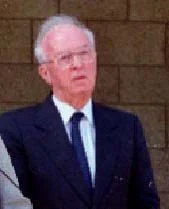
…we say to you today in a loud and a clear voice: enough of blood and tears. Enough.
Signing ceremony of the Israel–PLO Declaration of Principles, South Lawn of the White House, 13 September 1993
Official White House transcript, in English. This is the end of a long sentence in which Rabin addresses the Palestinians, and the word that follows it; the opening of the sentence is omitted and marked with an ellipsis.
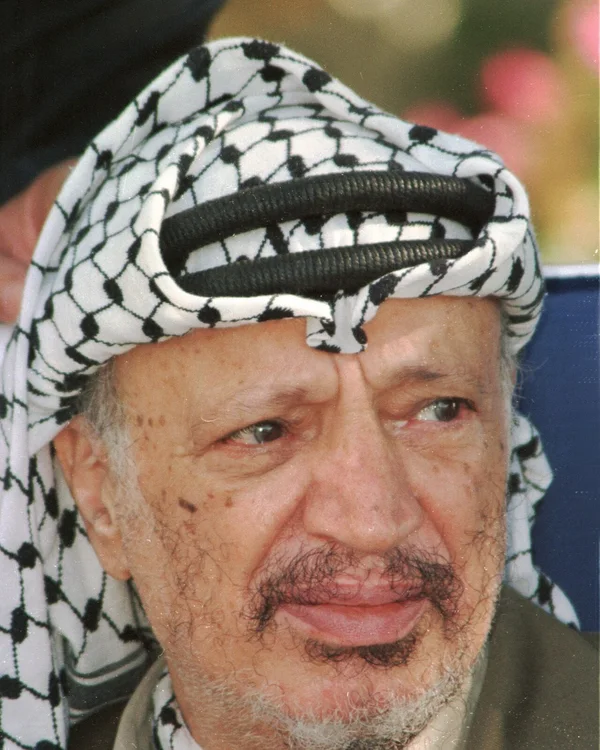
Ladies and gentlemen, the battle for peace is the most difficult battle of our lives.
Signing ceremony of the Israel–PLO Declaration of Principles, South Lawn of the White House, 13 September 1993
Arafat spoke in Arabic. The source is the English in the official White House transcript.
Open the sources, compare and check for yourself.
A document shows what was written; testimony tells what someone saw or remembers; research and reporting add interpretation and comparison. Always ask who produced the information and what still needs checking. The label alone does not establish quality, and two sites copying one document still give you one source.
Practise checking sources