Signing of the Israel–PLO Declaration of Principles
Signing ceremony of the Israel–PLO Declaration of Principles, the White House, 13 September 1993 – Clinton Presidential Library channel
3-minute taste
Three minutes, five facts, and you will know what everyone is talking about. Then, if you like, the full path.
For anyone new to the subject who wants to understand what everyone is talking about.
Signing ceremony of the Israel–PLO Declaration of Principles, the White House, 13 September 1993 – Clinton Presidential Library channel
Stop 1 of 7 on the full path
Israel has peace treaties with Egypt and Jordan, and open relations with the UAE, Bahrain and Morocco.123
Go to this stop: Start here: peace in five minutesStop 3 of 7 on the full path
Sadat and Begin signed a peace treaty in Washington. Israel left all of Sinai; Egypt recognised Israel and opened full relations.1 The two countries have not fought since.
Go to this stop: Egypt–Israel Peace TreatyStop 4 of 7 on the full path
The PLO recognised Israel's right to exist in peace and security, and the Government of Israel recognised the PLO as the representative of the Palestinian people.4 The hard questions were left for a permanent settlement, which has not been reached.56
Go to this stop: Oslo I – the Declaration of PrinciplesStop 5 of 7 on the full path
Israelis tell of a Jewish bond with the land thousands of years old, of persecution and of the need for security.78 Palestinians tell of homes and villages, and of 1948, when more than 700,000 Palestinians lost their homes and were not allowed to return.9 The path asks you to read both.
Go to this stop: Israel and the Jewish people: roots, memory and choosing lifeStop 7 of 7 on the full path
Each side asks whether the other really wants peace, and many on both sides fear the same answer.10 At the last stop: short answers with sources, and "we don't know yet" when that is the honest answer.
Go to this stop: Hard questions, honest answersNo more war, no more bloodshed, no more bereavement.
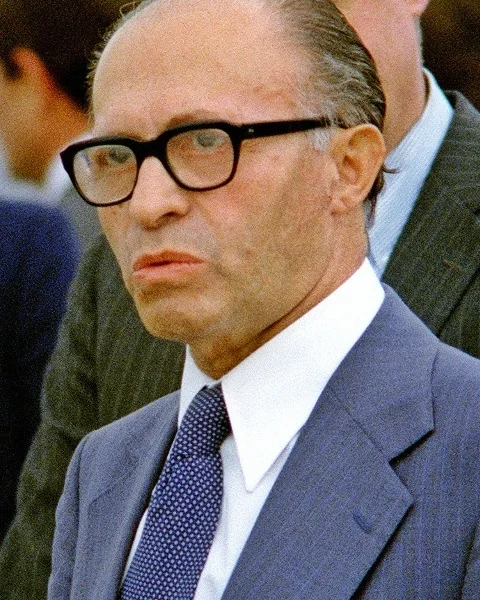
Signing ceremony of the Egypt–Israel peace treaty, the White House, Washington, 26 March 1979
Official US transcript (Public Papers of the Presidents), in English. These are the closing words of a longer sentence in Begin's remarks. The wording is singular – "war", not "wars".
Quote source: The American Presidency Project, UC Santa Barbara (Public Papers of the Presidents)
You do not have to agree with us. That is what the sources are for: open them, compare and check for yourself.