Taba talks
Talks without agreementEnded without agreement
Permanent-status negotiations that ended without an agreement. The main record is an unofficial paper by the EU envoy, who was there as an observer; it is not an agreed or signed text.
In one sentence
A race against the clock: to turn the Clinton Parameters into a permanent deal two weeks before an Israeli election.
In 30 seconds
In January 2001 Israeli and Palestinian teams spent a week in Taba working through borders, Jerusalem, refugees and security. At the end they said they had never been closer to an agreement.1 Then time ran out: on 6 February Ariel Sharon won the Israeli election.2
The challenge
Camp David had ended without a deal, and on 23 December 2000 Bill Clinton put his parameters on the table.4 Taba was meant to test whether a permanent agreement could be built on them.2
Time was short. Israel was due to elect a prime minister on 6 February 2001, and no American mediator sat in the room.2
The road there
- Clinton presents his bridging parameters to the two sides.4
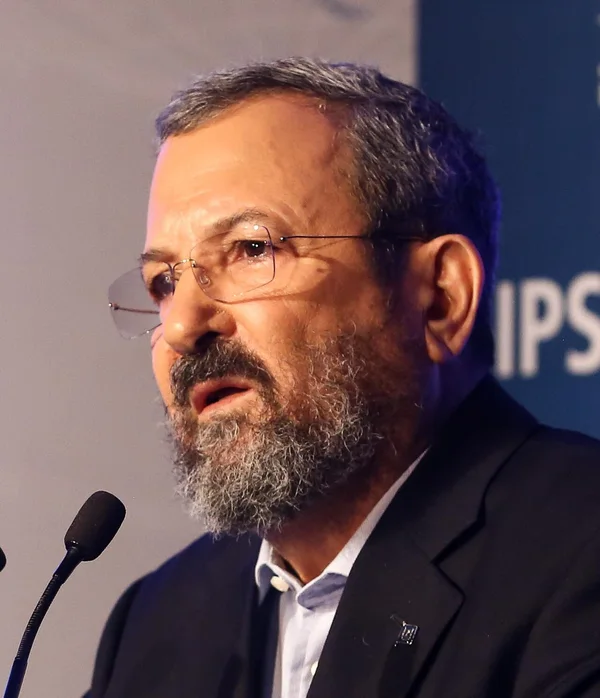
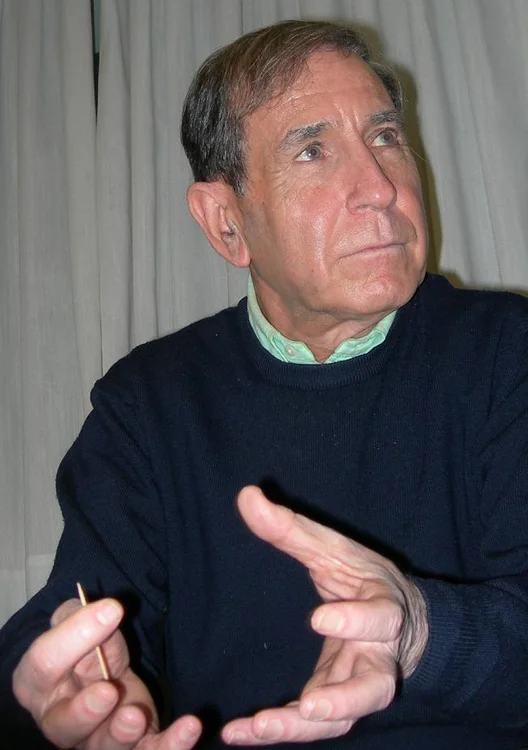
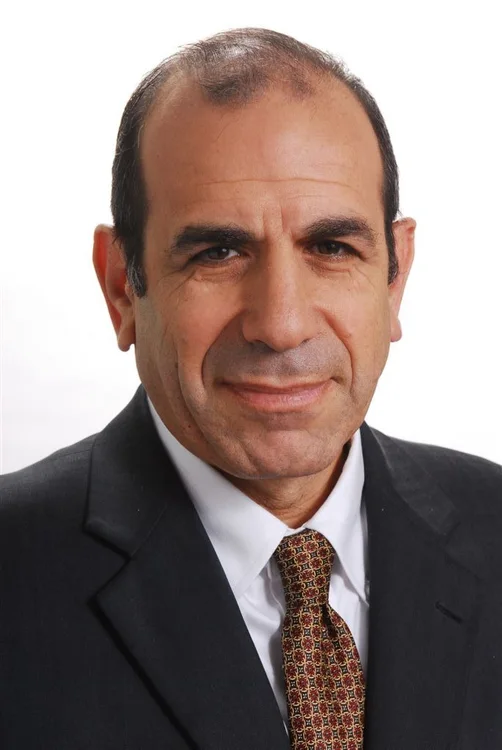
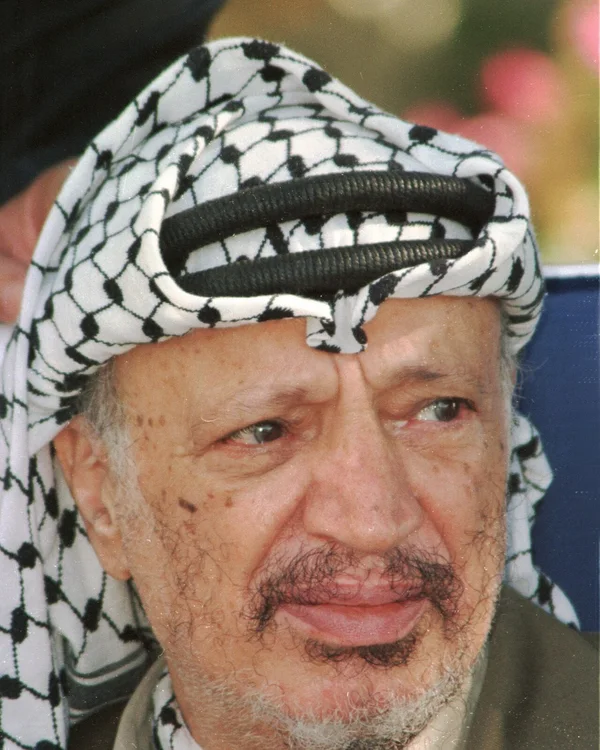
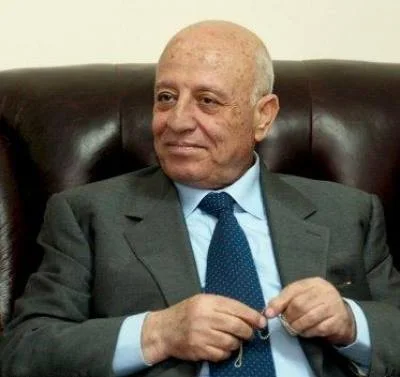
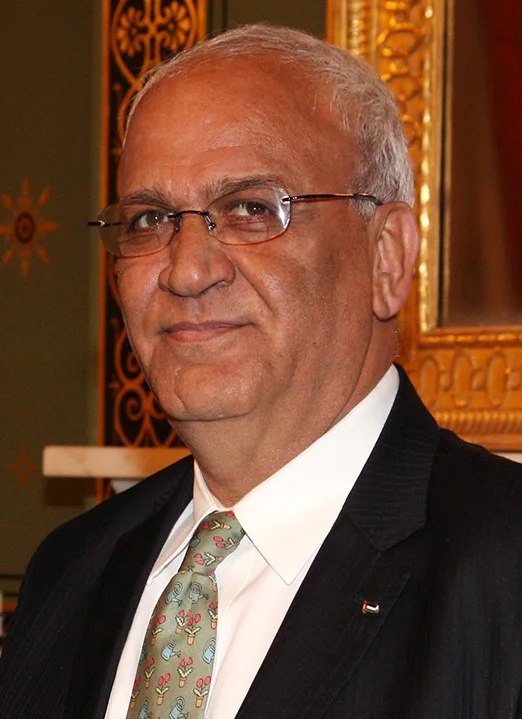
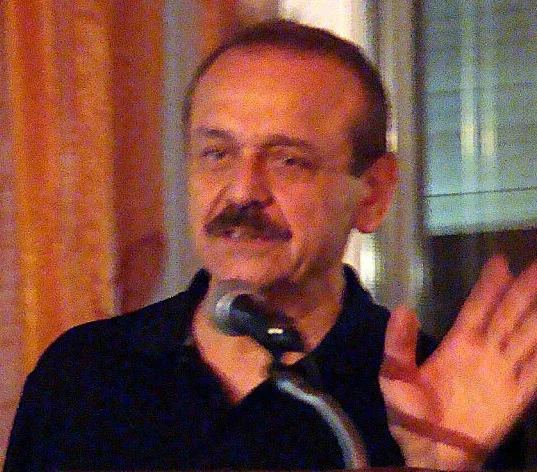
- Talks open in Taba. Foreign Minister Shlomo Ben-Ami leads the Israeli team, with Yossi Beilin and Gilead Sher; Ahmed Qurei (Abu Ala) leads the Palestinian team, with Saeb Erekat and Yasser Abed Rabbo.2
- Ehud Barak calls off the talks on the eve of the election; in a joint statement the sides say they have never been closer to an agreement.21
- Ariel Sharon is elected prime minister.2
- Haaretz publishes the leaked Moratinos paper.2
The people
What was discussed
- Territory: according to the Moratinos paper, Israel's map annexed about 6% of the West Bank and the Palestinian map about 3.1%, both with land swaps.3
- Gaza: full Palestinian sovereignty and the evacuation of all settlements, with the timetable disputed; both sides accepted a land link to the West Bank.3
- Jerusalem: both accepted Clinton's principle, Arab neighbourhoods to Palestine and Jewish ones to Israel, and a capital for each state. The holy sites were left unresolved.3
- Refugees: position papers were exchanged, and compensation and an international fund were discussed; no numbers were agreed.3
- Security: Israel wanted a non-militarised state and the Palestinians proposed a state with limited arms; the length of the withdrawal also stayed in dispute.3
The geography
How to use the map
Choose a country on the map or in the list. One finger scrolls the page; two fingers move and pinch the map. You can also use + and −. For one-finger map dragging, enable the button above. Keyboard: arrows to pan, + and − to zoom, Home to reset.
Layers
Classification follows the original research as of 7 Oct 2026. This schematic map is not a legal boundary map or a live update.
- International boundary agreed in a peace treaty
- Treaty line with Jordan, “without prejudice to the status” of the territory beyond it
- 1949 armistice line (“Green Line”) — not an agreed final border
- “Blue Line” — UN line of withdrawal (2000), not a border
- Ceasefire / disengagement line with Syria (1974)
- Other international boundary
- West Bank and Gaza Strip: permanent status not agreed
- Golan Heights: held by Israel since 1967; annexation not recognised by the UN
- UN area of separation (UNDOF); Israeli army positions inside it since December 2024
Schematic map. Lines are approximate and are not a legal determination. Data: Natural Earth (public domain), 1:10m scale; line classification and place names by this site. Lines as of October 2026. Peace map
The hard decisions
- They negotiated the hardest issues while the Second Intifada went on, and without knowing who would lead Israel two weeks later.2
What was carried out 0
—
What was not 1
- No agreement was signed. In the joint statement the two sides said they intended to resume the talks after the Israeli election.1
What remains open
- Nothing was signed and there are no agreed minutes. Miguel Moratinos, the EU envoy, was the only outsider at Taba but did not sit in the meetings; he talked to the delegates after each session and wrote the paper from their accounts.2 It has no official status, but both sides saw it as a fairly accurate description,3 and both approved its final version in the summer of 2001.2
- What came next: two of the Taba negotiators, Yossi Beilin and Yasser Abed Rabbo, later led the unofficial team that drafted the Geneva Initiative of 2003.5
Sources
Open the sources, compare and check for yourself.
What can this source tell us?
A document shows what was written; testimony tells what someone saw or remembers; research and reporting add interpretation and comparison. Always ask who produced the information and what still needs checking. The label alone does not establish quality, and two sites copying one document still give you one source.
Practise checking sourcesShow all sources (5)Hide the sources
Cited on this page
- Israeli-Palestinian Joint Statement (Taba), 27 January 2001Primary Palestinian Refugee ResearchNet, McGill University27 January 2001
- The Taba Negotiations (January 2001)Research Institute for Palestine Studies
- Moratinos' "Non-Paper" on Taba negotiations (unofficial EU summary)Primary United Nations (UNISPAL)2001
- Clinton Parameters (2000)Research Economic Cooperation Foundation (ECF)
- Geneva Initiative (2003)Research Economic Cooperation Foundation (ECF)